What is Squash the Sport: Ultimate Guide to Rules & Benefits
Have you ever wondered what makes Squash the sport so exciting? If you’re looking for a fast-paced, fun way to stay fit and challenge your mind, Squash might be exactly what you need.
This game isn’t just about hitting a ball against a wall—it’s a thrilling mix of speed, strategy, and skill that keeps you on your toes. By the end of this article, you’ll understand why Squash is growing in popularity and how it can bring a new spark to your fitness routine.
Ready to discover what Squash is all about? Let’s dive in!

Credit: www.youtube.com
History Of Squash
Understanding the history of squash can deepen your appreciation for the game. This fast-paced sport has a fascinating background that traces back over centuries. Knowing where it started and how it evolved might inspire you to see it in a new light.
Origins Of The Game
Squash began in the early 19th century in England, specifically at Harrow School. Students discovered that a punctured tennis ball bounced differently against the walls, creating a new style of play. This simple change sparked the creation of squash as a distinct sport.
The game quickly spread to other schools and clubs. Its appeal came from the combination of skill, speed, and strategy required. Have you ever wondered how a game played inside four walls could challenge your agility and thinking so much?
Evolution Through The Years
Squash evolved from those early days with changes in rules, equipment, and court design. The original rackets were wooden and heavy, quite different from today’s lightweight, high-tech versions. Courts also standardized, allowing competitive play worldwide.
International competitions began in the 20th century, bringing more attention to the sport. Players developed new techniques, making the game faster and more intense. If you watch a professional match now, it’s clear how much the sport has transformed from its humble beginnings.
Basic Rules Of Squash
Understanding the basic rules of squash is essential to enjoy the game fully and play it correctly. Squash is fast-paced, requiring quick reflexes and strategic thinking. Knowing the court layout, scoring system, and gameplay structure will help you appreciate the sport and improve your skills.
Court Specifications
The squash court is a small, enclosed space with four walls. The front wall is the main target for shots, and it has a marked “out line” at the top, which the ball must not cross.
The court measures 9.75 meters long and 6.4 meters wide. The floor is divided by a short line near the middle, creating two service boxes on each side where players serve the ball.
Walls have specific boundary lines: the service line on the front wall and the tin at the bottom, which acts like a net in tennis—you lose the point if your shot hits it.
Scoring System
Squash uses a point-a-rally scoring system, meaning you can score points whether you serve or receive. Matches usually go up to 11 points, but you must win by at least two points.
If the score reaches 10-10, the game continues until a player gains a two-point lead. This rule keeps the game exciting and competitive until the very end.
Each match consists of the best of five games, so staying focused and consistent is key to winning.
Game Play Structure
Players take turns serving, starting from the right service box. The serve must hit the front wall above the service line and land in the opposite back quarter of the court.
After the serve, players alternate hitting the ball against the front wall. The ball can touch the side or back walls but must not hit out of bounds or the tin.
The ball is allowed to bounce only once before a player must return it. This rule keeps rallies fast and requires quick movement and sharp anticipation.
Have you tried tracking the ball’s bounce during a rally? It’s a great way to sharpen your focus and improve your reaction time.
Equipment Needed
Playing squash requires specific equipment to enjoy the sport fully and safely. The right gear helps improve performance and protects players during fast, intense matches. Understanding the essential equipment makes it easier to start playing.
Squash Racquets
Squash racquets are lightweight and smaller than tennis racquets. They usually weigh between 110 and 180 grams. The head size is smaller, which helps with control and quick swings. Most racquets have a long handle for a firm grip. Choosing the right racquet depends on skill level and playing style.
Balls
Squash balls are small and made of rubber. They come in different types based on bounce and speed. Beginners often use balls with more bounce to help rally longer. Advanced players use balls with less bounce for a faster game. Temperature affects ball performance, so warming the ball before play is common.
Protective Gear
Safety is important in squash due to the fast pace and close court. Protective eyewear is highly recommended to prevent eye injuries. Many players wear non-marking court shoes to avoid slipping and protect the court floor. Wristbands and headbands help absorb sweat and improve grip. Proper gear keeps players safe and comfortable during matches.
Techniques And Strategies
Squash demands a mix of skill, speed, and smart thinking. Techniques and strategies shape every match. Players must control the ball, move quickly, and plan their shots. Understanding core shots and tactics helps players compete better. Mental strength also plays a big role in handling pressure and staying focused.
Basic Shots
Basic shots build the foundation of squash play. They include the straight drive, boast, drop shot, and volley. Each shot targets different court areas to challenge opponents. The straight drive keeps the ball tight to the wall. The boast sends the ball off the side walls. Drop shots land the ball softly near the front wall. Volleys strike the ball before it bounces to speed up play.
Advanced Tactics
Advanced tactics help players control the pace and space. Players use varying shot speeds and angles to confuse opponents. Moving the opponent around the court tires them out. Players create pressure with deep shots to the back corners. Changing shot height and spin adds unpredictability. Anticipating the opponent’s moves allows better positioning. Strategy often involves forcing errors or weak returns.
Mental Preparation
Mental preparation improves focus and confidence during matches. Players practice staying calm under pressure. Setting small goals keeps motivation high. Visualizing successful shots helps build positive mindset. Managing stress prevents loss of concentration. Mental toughness lets players recover quickly from mistakes. Staying confident and patient leads to better decisions on court.
Health Benefits Of Squash
Squash is more than just a fast-paced game played within four walls; it offers a range of health benefits that can improve your life both physically and mentally. Whether you are new to the sport or have been playing for years, understanding these benefits can motivate you to grab that racket more often. How often do you think about the impact your favorite activities have on your overall well-being?
Physical Fitness
Squash is a full-body workout that challenges your strength, speed, and endurance. The quick movements and changes in direction help improve your cardiovascular health and build muscle tone.
Playing regularly can increase your stamina and flexibility, making everyday activities easier. Have you noticed how your energy levels rise after just a few games?
Mental Well-being
The fast pace of squash demands sharp focus and quick thinking, which can boost your cognitive skills. It also provides a great way to relieve stress, as you concentrate on the game instead of daily worries.
Many players find that squash improves their mood and reduces anxiety. Could a regular game help clear your mind after a long day?
Social Interaction
Squash is often played in clubs or groups, making it a fantastic way to meet new people and build friendships. The shared experience of competing and improving together creates a strong sense of community.
Engaging in social sports like squash can enhance your communication skills and increase your motivation to stay active. When was the last time a sport helped you connect with others so easily?
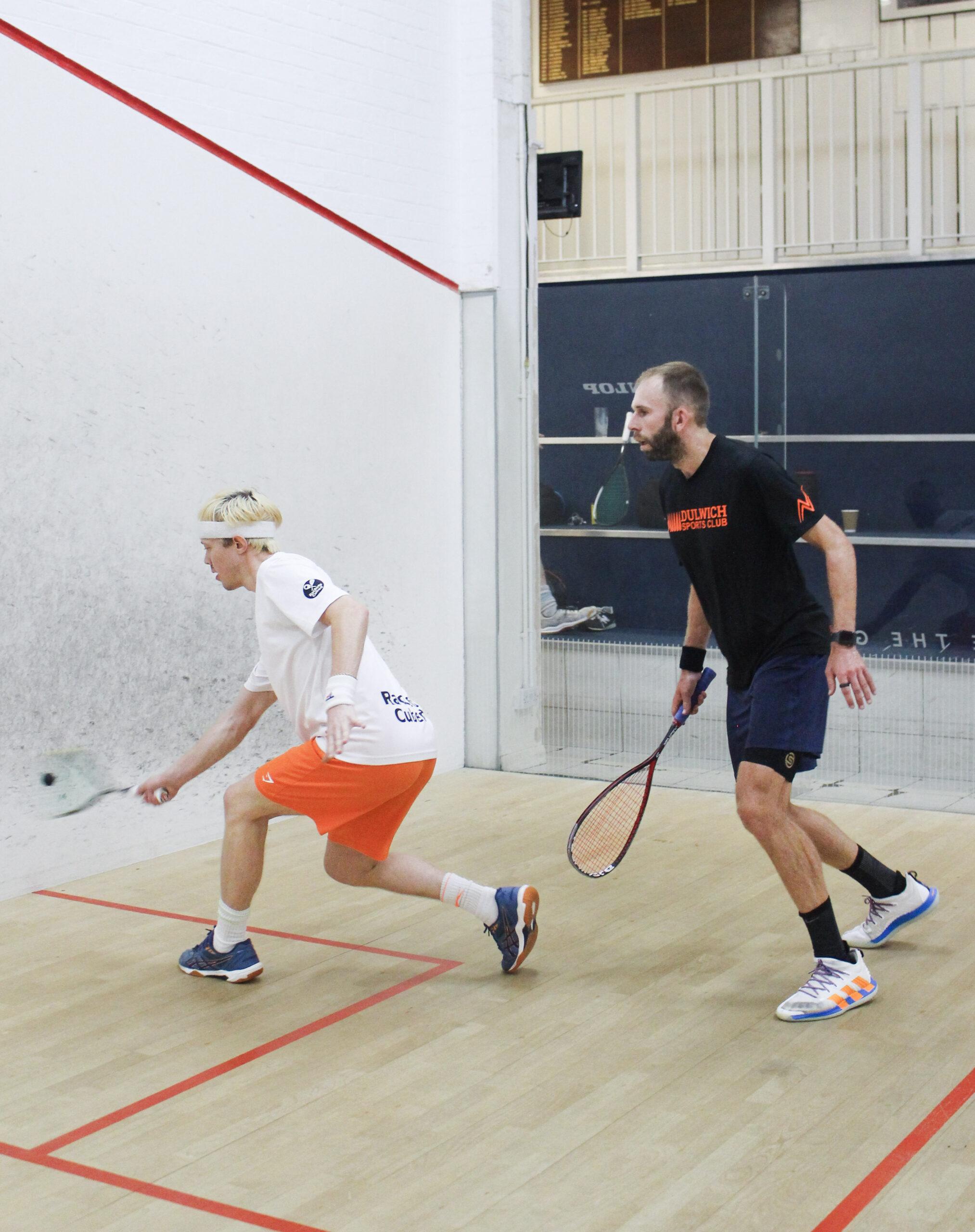
Credit: wimbledonclub.co.uk
Popular Squash Competitions
Popular squash competitions showcase the highest levels of skill and intensity in the sport. These events bring together top players from around the world, giving you a chance to witness thrilling matches and understand the competitive spirit of squash. Knowing about these competitions can inspire your own game and help you follow the sport more closely.
World Squash Championships
The World Squash Championships stand as the most prestigious event in the squash calendar. Players compete individually to claim the title of world champion, representing the pinnacle of achievement in squash.
This tournament tests every aspect of a player’s skill, stamina, and mental toughness. Watching these matches can teach you how champions handle pressure and adjust their tactics mid-game.
Have you ever wondered what separates a good player from a world champion? Observing this event gives you clear answers through real-time examples.
Professional Squash Association Events
The Professional Squash Association (PSA) organizes a series of global tournaments throughout the year. These events offer players the chance to earn ranking points and prize money while competing against the best.
PSA events vary in size and prestige, from smaller Challenger tournaments to major World Tour Finals. Following these can help you track emerging talents and understand the journey of professional players.
If you aim to improve your own game, watching PSA matches can expose you to diverse playing styles and strategies. Which player’s style do you think matches your own approach?
Getting Started With Squash
Getting started with squash is easier than you might think. The sport is welcoming to newcomers and offers a great way to stay active and have fun. Before you hit the court, there are a few things to know that will help you dive right into the game.
Finding A Court
Locating a squash court is your first step. Many gyms and sports centers have courts available for public use. You can search online or use apps designed to find nearby squash courts.
Some courts require you to book time in advance, so plan ahead. Think about convenience—would you prefer a court near your home or workplace? This small choice can make it easier to stick with the sport.
Joining A Club
Joining a squash club offers more than just access to courts. Clubs often organize matches, coaching sessions, and social events that help you improve and meet fellow players.
Look for clubs that welcome beginners and offer beginner-friendly sessions. Some clubs provide equipment rentals, so you can try the sport without buying gear right away.
Tips For Beginners
- Start with the basics:Learn the rules and practice your grip and stance before playing full matches.
- Wear the right shoes:Squash courts require non-marking indoor shoes to protect the floor and give you good traction.
- Focus on footwork:Moving quickly and efficiently around the court makes a big difference in your game.
- Don’t rush:Take your time to get comfortable with the ball and racket. Consistency beats power at the start.
- Ask for feedback:More experienced players and coaches can give you valuable tips to improve faster.
Have you ever felt stuck trying a new sport? Squash keeps you moving and thinking, making it easy to stay motivated. What’s the first thing you want to try once you step on the court?

Credit: europeansquash.com
Frequently Asked Questions
What Is Squash In Sports?
Squash is a fast-paced racquet sport played indoors. Players hit a small rubber ball against walls within a court. It requires agility, strategy, and stamina. Squash is popular worldwide and promotes cardiovascular health and reflex development.
How Do You Play Squash?
Players take turns hitting the ball against the front wall. The ball must stay within designated court boundaries. Points are scored when the opponent fails to return the ball properly. Matches typically follow a best-of-five games format.
What Equipment Is Needed For Squash?
Essential squash equipment includes a racquet, squash ball, and proper non-marking shoes. Players often wear protective eyewear for safety. The court is enclosed by four walls, with specific markings for play.
Why Is Squash A Good Workout?
Squash combines cardio, strength, and flexibility training. The game improves endurance, agility, and hand-eye coordination. It burns calories quickly and enhances overall fitness in a fun, competitive environment.
Conclusion
Squash is a fast and fun sport played indoors. It helps improve fitness, reflexes, and coordination. Anyone can play, from beginners to experts. The small court and quick moves make it exciting. Playing squash regularly boosts health and energy. It also offers a great way to meet new people.
Give squash a try to enjoy exercise and fun at once. Simple rules and fast pace keep players engaged. Squash stands out as a great sport for all ages.