What is Squash Sport: Ultimate Guide to Rules & Benefits
Have you ever wondered what makes squash such a thrilling sport? If you’re looking for a fast-paced game that challenges your speed, strategy, and stamina, squash might be just what you need.
This exciting sport is easy to learn but hard to master, keeping you hooked from your very first match. By the end of this article, you’ll understand exactly what squash is, how it’s played, and why so many people around the world can’t get enough of it.
Ready to discover a new way to stay fit and have fun? Let’s dive in!
Squash Sport Basics
Squash is a fast-paced sport played indoors with a small rubber ball. It challenges your speed, agility, and strategy. Understanding the basics helps beginners enjoy the game more and improves skills quickly. Below are key points about the sport’s origin, playing area, equipment, and common terms.
Origins And History
Squash began in the 19th century in England. It evolved from a game called racquets played in prisons. Schoolboys at Harrow School made changes using a softer ball. The sport grew popular worldwide by the early 1900s. Squash is now played professionally and recreationally in many countries.
Squash Court And Equipment
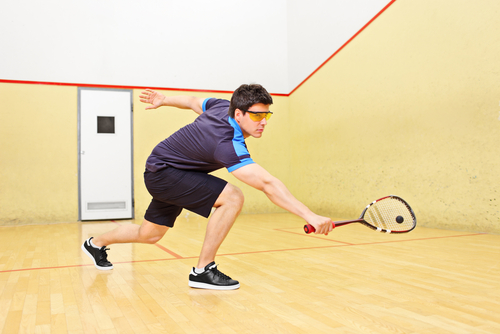
The court is a small, enclosed room with four walls. It measures about 32 feet long and 21 feet wide. The front wall has a marked out-of-bounds line at the top. The floor is smooth and made for quick movements.
Players use a lightweight racket and a small rubber ball. The ball must bounce once on the floor before hitting the walls. Different balls have different speeds for beginners or advanced players.
Key Terminologies
- Serve:The first hit to start a point.
- Rally:The back-and-forth hitting of the ball during a point.
- Let:A replay of the point due to interference or safety.
- Stroke:A point awarded due to the opponent’s interference.
- Nick:When the ball hits the corner where the floor meets the wall.
- Drop shot:A soft hit that makes the ball fall near the front wall.
Credit: www.activesgcircle.gov.sg
Rules Of Squash
The rules of squash are designed to keep the game fast and fair. They guide how players score, serve, and play. Knowing these rules helps players enjoy the sport and compete properly. Below are the main rules every player should know.
Scoring System
Squash uses a point-a-rally scoring system. Each rally ends with a point for one player. Matches are usually best of five games. Each game goes to 11 points. Players must win by two points if the score ties at 10-10.
Serving Rules
The server must have at least one foot in the service box. The ball must hit the front wall above the service line. It should land in the opposite back quarter of the court. The server keeps serving until they lose a rally.
Gameplay Regulations
Players take turns hitting the ball against the front wall. The ball can touch side or back walls before it hits the floor. The ball must not bounce twice before being hit. Players must avoid blocking each other’s shots.
Fouls And Penalties
Interference with the opponent’s swing is a foul. Players must give clear space to their opponent. Hitting the ball out of bounds loses the rally. Dangerous play can lead to warnings or point loss. Referees decide on all fouls and penalties.
Types Of Squash Games
Squash offers various ways to enjoy the game, each with its own pace and style. Understanding the types of squash games helps you decide how to play and improve. Whether you prefer intense one-on-one matches or a more social team setup, there’s a format that fits your style.
Singles Vs Doubles
Singles squash is the classic version played between two players on a standard court. It demands quick reflexes, sharp strategy, and excellent court coverage. You’ll find that every move counts because there’s no partner to cover your weak spots.
Doubles squash, on the other hand, is played with four players on a wider court. This changes the dynamics completely—communication and teamwork become as important as individual skill. If you enjoy fast-paced action but prefer sharing the court, doubles might be your game.
Popular Variations
- Hardball Squash:Played mostly in North America, it uses a smaller, harder ball that bounces faster. This makes the game quicker and often more aggressive.
- Racquetball:Though similar, racquetball has different rules and a larger court. It’s a good alternative if you want a fresh challenge related to squash.
- Wallball:A simpler, informal game played against a single wall. It’s perfect for practicing alone or warming up without a full court setup.
Have you tried switching between singles and doubles? Noticing how your strategy changes can boost your overall skills. What’s your favorite variation, and why does it keep you coming back to the court?

Credit: wimbledonclub.co.uk
Benefits Of Playing Squash
Playing squash offers many benefits that improve your body and mind. It is a fast-paced sport that challenges your strength, speed, and focus. Squash is easy to start and fun for all ages. Many people enjoy it for health and social reasons.
Physical Health Advantages
Squash helps build strong muscles and bones. It improves your heart health and boosts stamina. The quick movements increase your flexibility and balance. Squash also burns a lot of calories, helping with weight control. Regular play enhances hand-eye coordination and reflexes.
Mental And Social Benefits
Squash sharpens your mind and improves concentration. It reduces stress and lifts your mood through physical activity. Playing with others boosts teamwork and communication skills. The social aspect helps you make new friends and feel part of a community. It encourages discipline and goal setting, which benefits life outside the court.
Training And Techniques
Training and techniques in squash are essential to mastering the game. They build your physical abilities, improve your precision, and sharpen your tactics on the court. Developing the right skills and understanding advanced strategies will help you respond quickly and outplay your opponent.
Basic Skills Development
Start with learning the fundamental shots: drives, drops, boasts, and volleys. Practice your grip and stance to maintain control and balance during each shot.
Footwork is equally important. Good movement allows you to reach the ball efficiently and recover quickly for the next shot. Try shadowing drills to improve your agility without hitting the ball.
Focus on consistency. Repeating simple shots until they become second nature will build your confidence. Have you noticed how your accuracy improves when you dedicate time to these basics?
Advanced Strategies
Once you master the basics, start working on shot placement and deception. Aim to control the T (center of the court) to dominate the rally and force your opponent into difficult positions.
Mix up your shots to keep your opponent guessing. Combine tight drops with powerful drives to create openings. Have you tried anticipating your opponent’s moves before they even hit the ball?
Use mental strategies, such as staying calm under pressure and reading your opponent’s weaknesses. These can turn the tide of a match more than just physical skill alone.
Squash Competitions
Squash competitions bring excitement and challenge to players worldwide. These events test skill, speed, and strategy on the court. Players compete to win titles and improve their rankings. The sport has a well-organized system for tournaments and player rankings.
Major Tournaments
Several major tournaments attract top players and fans globally. These events showcase the highest level of squash.
- The British Open is one of the oldest and most prestigious tournaments.
- The PSA World Championship is the biggest event in professional squash.
- The U.S. Open draws international players and offers large prize money.
- The Tournament of Champions takes place in New York City and has a unique atmosphere.
Winning these tournaments is a major goal for every professional player.
Ranking System
Player rankings are important in squash. They show the skill and success of competitors.
The Professional Squash Association (PSA) manages the ranking system. Players earn points by competing in PSA tournaments.
| Ranking Level | Points Earned | Impact |
|---|---|---|
| Top 10 | Highest points | Invited to elite tournaments |
| Top 50 | Moderate points | Qualifies for many events |
| Below 50 | Fewer points | Needs to improve ranking |
Points depend on how far players advance in tournaments. Higher-level events offer more points. Rankings update every week to reflect recent results.
Getting Started With Squash
Getting started with squash is simpler than you might think. The sport is fast-paced, fun, and offers a great workout. Before you hit the court, there are a few essentials to understand that will make your experience enjoyable and set you up for success.
Choosing Equipment
Your first step is to pick the right gear. A squash racket should feel comfortable in your hand—too heavy or too light can affect your play. Most beginners start with a racket weighing between 130-150 grams for better control.
Don’t forget the balls! Squash balls come in different speeds, indicated by colored dots. A double yellow dot ball is slower and suited for advanced players, so beginners should choose a single yellow or red dot ball for easier rallies.
Wear non-marking shoes with good grip to avoid slipping. Proper shoes protect your feet and improve your agility on the court.
Finding A Squash Court
Finding a local court is easier than you might expect. Check community centers, sports clubs, or gyms near you. Many places offer beginner-friendly times or group sessions.
If you don’t have a court nearby, ask around—sometimes schools or universities allow public access during off-hours. You can also find courts through online directories or squash association websites.
Beginner Tips
Start slow and focus on your footwork before worrying about powerful shots. Squash is as much about positioning as it is about hitting the ball.
Try playing with someone slightly better than you. It pushes you to improve while keeping the game fun.
Don’t get discouraged if you miss shots early on. Everyone starts there. Consistency beats power in squash.
Have you ever tried moving quickly while keeping your balance? Squash challenges your coordination like few sports do—embracing that challenge keeps you coming back for more.

Credit: www.theworldgames.org
Frequently Asked Questions
What Is Squash Sport And How Is It Played?
Squash is a fast-paced indoor racket sport played by two players. They hit a small rubber ball against a four-walled court. The goal is to make the ball bounce twice before the opponent returns it. It requires agility, strategy, and quick reflexes.
What Equipment Do You Need For Squash?
You need a squash racket, a small rubber ball, and proper sports shoes. Players wear comfortable clothing for easy movement. Protective eyewear is recommended to prevent injuries. Squash courts have marked walls and floors designed specifically for the game.
How Many Players Are Involved In Squash?
Squash is typically played between two players in singles matches. However, doubles squash involves four players, two per team. Singles squash focuses on agility, while doubles requires teamwork and communication. Both formats are popular worldwide.
What Are The Health Benefits Of Playing Squash?
Squash improves cardiovascular fitness, strength, and flexibility. It boosts hand-eye coordination and reflexes. Playing regularly helps burn calories and reduces stress. Squash also promotes mental alertness and strategic thinking, making it a full-body workout.
Conclusion
Squash is a fast and fun sport enjoyed worldwide. It helps improve fitness, agility, and focus. You need a racquet, ball, and court to play. The rules are simple, making it easy to learn. Many people play squash for health and fun.
It also builds quick thinking and good reflexes. Try playing squash to feel active and enjoy a new challenge. A great way to stay healthy and have fun at the same time. Give squash a chance—you might like it more than you think.