What is Squash in Sports: Ultimate Guide to Rules & Benefits
Have you ever wondered what makes squash such an exciting sport to play and watch? Whether you’re looking for a fun way to stay fit or a new challenge to master, squash offers fast-paced action that keeps your heart racing and your mind sharp.
You’ll discover exactly what squash is, how it’s played, and why it might be the perfect sport for you to try next. Ready to learn more? Let’s dive in!

Credit: www.worldsquash.sport
History Of Squash
Squash is a fast-paced sport played indoors with a small rubber ball and rackets. Originating in 19th-century England, it quickly gained popularity worldwide. Players hit the ball against walls, aiming to outplay their opponent in a confined court.
Origins Of The Game
Squash began in the early 19th century in England. It started at Harrow School, where boys played a game hitting a ball against a wall. The ball used was softer than in similar games, so it “squashed” on impact. This difference gave the sport its name. The game quickly gained popularity in schools and clubs.
Evolution Of Rules
Early squash rules were informal and changed by location. Over time, official rules were created to standardize play. The court dimensions, scoring system, and equipment were defined. The introduction of the tin at the bottom of the front wall added challenge. Rules evolved to improve fairness and safety for players.
Global Popularity
Squash spread beyond England to countries like Egypt, Australia, and Canada. International competitions began in the 20th century. Today, squash has millions of players worldwide. It is part of many school sports programs and clubs. The sport continues to grow with new fans and players every year.
Squash Basics
Understanding the basics of squash is essential before you hit the court. Squash is a fast-paced sport played indoors, where players use rackets to hit a small rubber ball against the walls. The goal is to outplay your opponent by making the ball bounce twice before they can return it.
Knowing the court layout and the equipment can boost your confidence and performance. Are you curious about what makes the squash court unique? Or what gear you’ll need to get started? Let’s break it down.
Court Dimensions
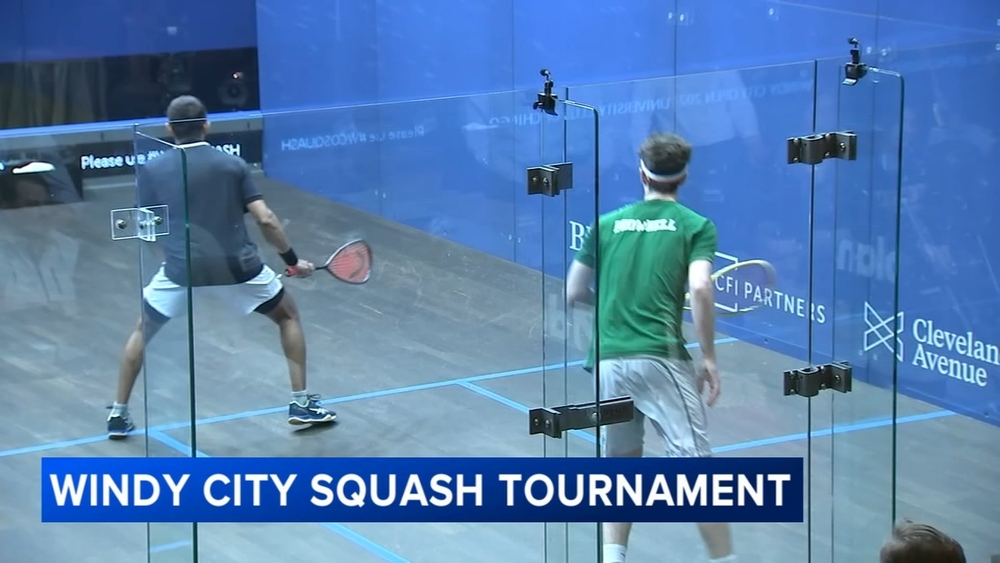
A squash court is a rectangular box enclosed by four walls. It measures 32 feet long and 21 feet wide, giving you a tight space that demands quick reflexes.
The front wall is the main target area with a service line and out lines clearly marked. You’ll notice a tin at the bottom of the front wall, which acts like a net in tennis—hitting below it means the ball is out.
Lines on the floor mark the service boxes where you stand to serve. The compact size forces you to move fast and think ahead, making every shot count. Have you ever played in a space where every inch matters?
Squash Equipment
Your success starts with the right equipment. The most important items are the racket and the ball.
- Racket:Squash rackets are light, usually weighing between 110 to 175 grams. Their small head size helps you control the ball precisely.
- Ball:The squash ball is small and made of rubber, with different types designed for various skill levels. Beginners use balls that bounce more, while advanced players use less bouncy balls to increase challenge.
Don’t forget your shoes. Court shoes with good grip prevent slipping and protect your joints during quick movements.
What gear do you think could improve your game today? Choosing the right equipment can change how you play and enjoy squash.
Rules Of Squash
Squash is a fast-paced sport played in an enclosed court. The rules keep the game fair and fun. Understanding these rules helps players enjoy the match and compete well.
Scoring System
Squash uses a point-a-rally scoring system. Players can score points whether they serve or receive. A game is usually played to 11 points. A player must win by two clear points. Matches often consist of best-of-five games.
Service Rules
The server must stand in the service box. The ball must hit the front wall above the service line. It should land in the opposite back quarter of the court. The server alternates sides after each point. A proper serve starts the rally.
Faults And Fouls
Faults occur when the serve is incorrect. A ball hitting outside the allowed areas is a fault. Players must avoid hitting the ball twice. Interfering with the opponent’s swing is a foul. Dangerous play or obstruction can result in a stroke or let.
Credit: abc7chicago.com
Techniques And Strategies
Techniques and strategies in squash shape how players control the court. Players use different strokes and tactics to outmaneuver opponents. Each move requires skill and planning to gain an advantage.
Strokes And Serves
Strokes in squash include drives, drops, volleys, and boasts. Drives are powerful shots straight to the back wall. Drops are soft shots that fall close to the front wall. Volleys are hits made before the ball bounces. Boasts send the ball to the side walls, creating tricky angles.
The serve starts the point and sets the tone. Players aim for accuracy and speed. Serves often target the back corners or try to catch the opponent off guard. A good serve forces weak returns.
Defensive Play
Defense in squash focuses on staying in the rally and regaining position. Players use deep drives and lobs to push opponents back. Defensive shots buy time and reduce pressure. Footwork is key to quickly reach the ball. Good defenders anticipate shots and react fast.
Attacking Strategies
Attacking means controlling the pace and putting pressure on the opponent. Players use tight shots to corners and quick volleys to attack. Attackers seek to force errors or weak returns. They move forward to cut off angles and finish points. Timing and precision make attacks effective.
Health Benefits
Playing squash offers a range of health benefits that go beyond just having fun on the court. It challenges your body and mind in ways that promote overall well-being. Whether you’re looking to boost your physical fitness, sharpen your mental focus, or connect with others, squash has something valuable for you.
Physical Fitness
Squash is a fast-paced sport that demands quick movements and constant agility. It improves your cardiovascular health by keeping your heart rate up through short bursts of intense activity. You’ll also build muscle strength and endurance, especially in your legs, arms, and core.
Because the game involves sudden changes in direction and speed, it enhances your coordination and balance. Have you noticed how playing squash makes everyday movements feel easier? That’s your body getting stronger and more flexible.
Mental Wellness
Squash requires you to think quickly and plan your shots carefully. This sharpens your concentration and problem-solving skills during the game. Many players find that the focus needed in squash helps clear their mind and reduce stress.
Engaging in such an active sport can also release endorphins, the natural mood boosters. After a good match, you might feel more energized and less anxious. How often do you find exercise that refreshes both your body and mind?
Social Interaction
Squash is often played with a partner or in groups, making it a great way to meet new people. Sharing the court helps build friendships and encourages teamwork. It also offers a chance to learn from others and improve your skills together.
Many players mention how the social aspect keeps them motivated to play regularly. Could joining a local squash club be your next step to expanding your social circle while staying active?
Training And Improvement
Training and improvement are essential for anyone who wants to play squash well. This sport demands quick reflexes, good strategy, and strong physical fitness. Regular practice helps players sharpen their skills and build endurance. Training focuses on developing all aspects of the game, from basic techniques to advanced tactics.
Improvement in squash also depends on how well a player manages their fitness and learning. A balanced approach to skill work and physical conditioning leads to better performance on the court. The right guidance and structured training plans can speed up progress and reduce the risk of injury.
Skill Development
Skill development in squash involves practicing key moves like serves, volleys, and drives. Players learn to control the ball and place shots accurately. Drills often focus on improving footwork and reaction time. Repetition builds muscle memory and confidence during matches. Watching experienced players and analyzing their techniques also helps improve skills.
Fitness Regimens
Squash requires strong legs, good stamina, and fast movements. Fitness regimens include cardio exercises, strength training, and flexibility workouts. Running, jumping rope, and cycling boost endurance. Strength exercises target the core, legs, and arms to support powerful shots. Stretching routines prevent injuries and improve agility on the court.
Professional Coaching
Professional coaching provides expert advice and personalized training plans. Coaches identify areas that need improvement and offer targeted drills. They teach proper techniques and tactics to win matches. Feedback from a coach helps players correct mistakes quickly. Regular sessions with a coach keep players motivated and focused on their goals.
Squash Competitions
Squash competitions bring players from all levels to the court. They test skill, speed, and strategy under pressure. These events range from small local meets to grand international championships. Each competition helps players improve and gain recognition.
Local Tournaments
Local tournaments are the heart of squash communities. They offer chances for beginners and amateurs to compete. These events usually happen in clubs or community centers. Players gain experience and enjoy friendly matches here. Local tournaments often lead to bigger opportunities.
International Championships
International championships attract top players from around the world. These events showcase high-level talent and fierce competition. Examples include the World Squash Championship and the British Open. Players represent their countries and compete for titles. These tournaments help grow squash’s global popularity.
Famous Squash Players
Many squash players have become famous through their achievements. Names like Jahangir Khan and Nicol David stand out. They have won multiple major titles. Their skills inspire new players to take up the sport. Famous players also raise squash’s profile worldwide.

Credit: europeansquash.com
Frequently Asked Questions
What Is Squash In Sports?
Squash is a fast-paced racket sport played indoors. Two players hit a small rubber ball against four walls. The goal is to make the ball bounce twice before the opponent can return it. It requires agility, strategy, and quick reflexes.
How Is Squash Different From Tennis?
Squash is played in a smaller indoor court with four walls. Tennis is played outdoors on a larger court with a net. Squash uses a smaller, softer ball and requires continuous play off walls. Tennis rallies are longer and involve more running.
What Equipment Is Needed To Play Squash?
Players need a squash racket, a small rubber ball, and non-marking shoes. Protective eyewear is recommended for safety. The court has four walls, a front wall with a service line, and a floor with boundary lines.
Why Is Squash Good For Fitness?
Squash improves cardiovascular health, agility, and muscle strength. It involves short bursts of intense movement and quick direction changes. This high-intensity workout burns calories and enhances coordination, making it an excellent sport for overall fitness.
Conclusion
Squash is a fast and exciting sport enjoyed worldwide. It helps improve fitness, speed, and hand-eye coordination. You only need a racquet, ball, and court to start playing. The rules are easy to learn, making it perfect for beginners. Playing squash can be a fun way to stay active and social.
Try it to feel the thrill and challenge of this unique sport. Squash offers great exercise and enjoyment for all ages. Give it a shot and see how much fun it can be!