What is Sports Management: Ultimate Guide to a Winning Career
Have you ever wondered who makes your favorite sports events run smoothly? Or who handles the behind-the-scenes work that keeps teams winning both on and off the field?
That’s where sports management comes in. It’s a dynamic field that combines passion for sports with smart business skills. Whether you dream of managing a team, organizing big events, or promoting athletes, understanding sports management is the key. Keep reading to discover how this exciting world works—and how it might be your perfect career fit.
Credit: www.youtube.com
Sports Management Basics
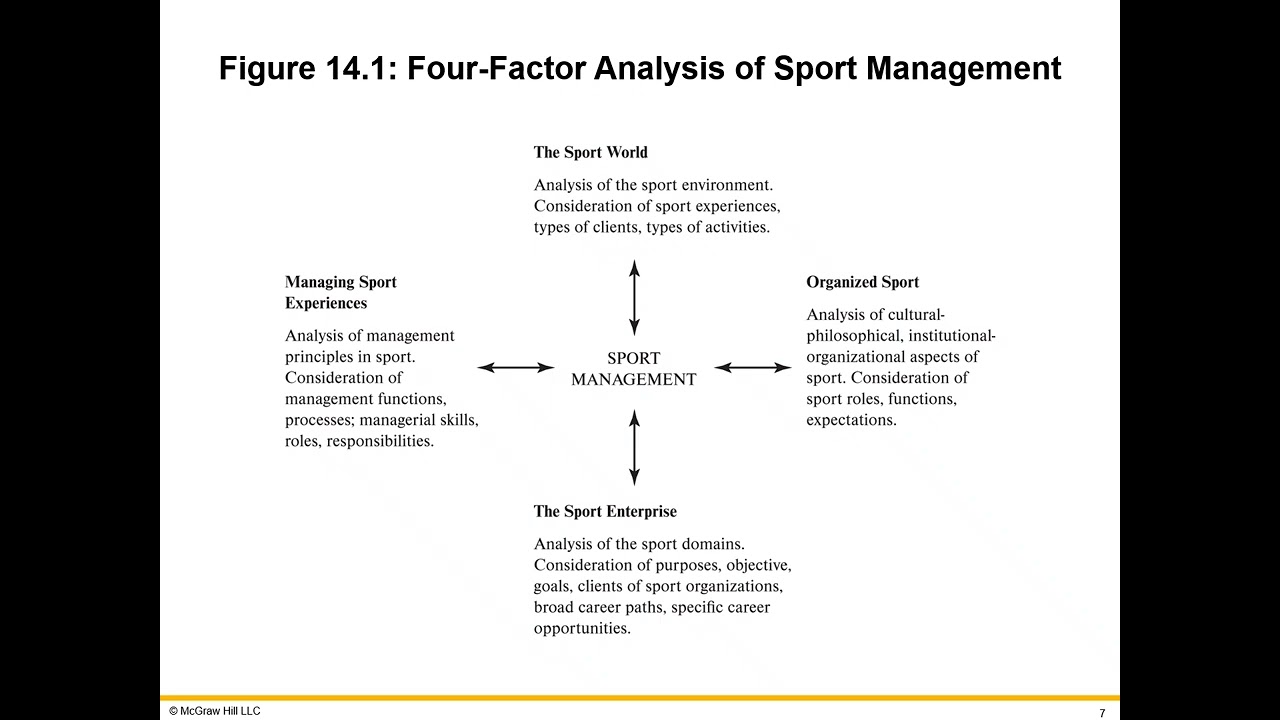
Sports management is a field that combines sports, business, and leadership. It focuses on organizing, planning, and managing sports teams and events. Understanding the basics of sports management helps grasp how sports organizations work behind the scenes.
Definition And Scope
Sports management involves managing all aspects of sports organizations. It covers areas like marketing, finance, event planning, and athlete management. This field applies to professional sports teams, leagues, fitness clubs, and sports marketing firms. It ensures smooth operations and growth in sports-related businesses.
Key Responsibilities
- Planning and organizing sports events and competitions
- Managing budgets and financial resources
- Marketing teams, athletes, and sports products
- Handling contracts and negotiations
- Ensuring compliance with sports laws and regulations
- Building relationships with sponsors and media
- Coordinating training and development programs
Skills For Success
Success in sports management depends heavily on a specific set of skills. These skills help you navigate complex situations, build strong relationships, and make informed decisions. Developing them can transform your approach and open doors to exciting opportunities.
Leadership And Communication
Strong leadership means guiding teams and individuals toward common goals. You’ll need to communicate clearly, whether you’re negotiating contracts or motivating athletes. Listening is just as important as speaking—understanding different viewpoints can prevent conflicts and build trust.
Think about a time when a coach or manager inspired a team to perform better. What did they do differently? That example shows how effective leadership combined with clear communication can make a real difference.
Marketing And Promotion
Sports management isn’t just about the game; it’s about creating excitement and drawing fans. You have to know how to promote events, athletes, or teams through social media, advertising, and public relations. Creativity helps you stand out in a crowded market.
Imagine you’re launching a campaign for a local sports event. What strategies would capture attention quickly? Understanding your audience and delivering the right message can increase attendance and sponsorship opportunities.
Financial Acumen
Managing budgets and finances is critical in sports management. You’ll often handle contracts, sponsorship deals, and event expenses. Knowing how to analyze financial data helps you make smart decisions that keep projects sustainable.
Have you ever tracked expenses for a project or event? That experience highlights the importance of staying organized and planning ahead. Accurate financial skills prevent surprises and ensure your team stays on track.
Educational Pathways
Choosing the right educational pathway is crucial if you want to build a successful career in sports management. The field demands a unique blend of business knowledge, sports insight, and leadership skills. Understanding the types of degrees and certifications available can help you decide the best route to meet your career goals.
Degrees And Certifications
Most sports management professionals start with a bachelor’s degree in sports management, business administration, or a related field. These programs cover essential topics like marketing, finance, event planning, and sports law.
Advanced degrees such as a master’s in sports management or an MBA with a sports focus can open doors to leadership positions. Certifications like the Certified Sports Manager (CSM) add credibility and demonstrate your commitment to the industry.
Have you considered how a formal degree or certification might impact your career growth compared to hands-on experience?
Specialized Courses
Specialized courses allow you to focus on niche areas within sports management. You can choose from subjects like sports marketing, athlete representation, facility management, or sports analytics.
Many online platforms and universities now offer short courses and workshops that fit your schedule. These can help you sharpen specific skills without committing to a full degree program.
Think about the skills that excite you most in sports management. Would targeted courses help you stand out to employers or clients?
Career Opportunities
Career opportunities in sports management are diverse and dynamic. If you love sports and are interested in the business side, this field offers many paths where you can apply your skills. From managing teams to organizing events, your role can significantly impact the sports world.
Roles In Professional Sports
Working in professional sports means handling high-stakes environments. You might find yourself managing player contracts, marketing campaigns, or team operations. Roles like sports agent, team manager, or marketing director allow you to influence the success of top athletes and franchises.
Have you ever thought about how player trades or sponsorship deals happen behind the scenes? These roles require sharp negotiation skills and a deep understanding of the sports market.
Positions In Collegiate Athletics
Collegiate athletics offer a unique blend of sports and education management. Positions here include athletic director, compliance officer, or event coordinator. These roles help maintain the balance between academic standards and athletic performance.
Imagine organizing a college championship or ensuring athletes meet eligibility rules. Your work supports student-athletes in achieving their goals both on and off the field.
Jobs In Recreational Sports
Recreational sports focus on community participation and wellness. You could work as a program coordinator, facility manager, or youth sports director. These jobs promote healthy lifestyles and connect people through sport.
Do you enjoy planning events or creating engaging programs for all ages? This sector offers the chance to make a positive impact in local communities and foster a love for physical activity.
Industry Trends
The sports management industry is evolving rapidly, shaped by trends that impact how organizations operate and engage with fans. Staying updated on these changes can give you an edge, whether you’re managing a team or working behind the scenes. Understanding these trends helps you anticipate challenges and seize new opportunities.
Technology Integration
Technology plays a huge role in sports management today. From data analytics to virtual reality training, it changes how teams prepare and compete.
You might not realize how much technology influences decisions, like scouting players or enhancing fan experiences. Ticketing apps and live streaming bring fans closer to the action than ever before.
Have you noticed how wearable devices track athlete performance? This data helps managers make smarter choices about training and recovery. Think about how you can use simple tech tools to improve your own sports projects.
Globalization Effects
Sports no longer belong to one country; they have a global reach. This means sports managers must handle international partnerships, diverse fan bases, and cross-cultural marketing.
For example, football clubs sign players from all over the world and promote their brand in multiple countries. This global approach opens up new revenue streams but also brings challenges like language barriers and different regulations.
Are you ready to connect with a global audience? Understanding globalization helps you expand your network and create inclusive sports experiences that appeal to fans everywhere.

Credit: www.ziprecruiter.com
Networking And Growth
Networking and growth are key drivers in sports management careers. Building connections opens doors to new opportunities and insights that textbooks can’t offer. Your growth depends on how well you connect and learn from others in the industry.
Building Professional Relationships
Creating strong professional relationships is more than exchanging business cards. It’s about genuine interactions and shared interests in sports.
Attend events, workshops, or games where industry professionals gather. Approach conversations with curiosity—ask about their challenges or recent projects. This shows you care and creates memorable impressions.
Remember, relationships grow over time. Follow up with a quick message or share interesting articles related to their work. These small actions build trust and keep you on their radar.
Mentorship And Continuing Education
Finding a mentor can change your career path. A mentor offers advice based on real experience, helping you avoid common pitfalls and spot growth areas.
Don’t hesitate to reach out to someone you admire in sports management. Many professionals are open to mentoring if you show dedication and respect for their time.
Keep learning beyond formal education. Online courses, webinars, and industry certifications keep your skills fresh and relevant. Ask yourself: What new skill can I learn this month to stay ahead?

Credit: aists.org
Frequently Asked Questions
What Is Sports Management And Its Main Purpose?
Sports management involves organizing and managing sports organizations and events. Its purpose is to improve performance, marketing, and operations within sports industries.
What Skills Are Needed For Sports Management Careers?
Key skills include leadership, communication, marketing, and financial planning. Understanding sports laws and event management is also essential.
How Does Sports Management Impact Athletes’ Careers?
Sports management supports athletes through contract negotiation, sponsorship deals, and career planning. It helps maximize their professional growth and earnings.
What Roles Exist In Sports Management?
Common roles include sports marketing manager, event coordinator, team manager, and sports agent. Each role focuses on different aspects of sports operations.
Conclusion
Sports management shapes how sports teams and events succeed. It mixes business skills with a love for sports. People in this field plan, organize, and lead sports activities. They handle marketing, finances, and team management. This work keeps sports running smoothly and fans happy.
Understanding sports management helps you see the effort behind every game. It offers many job chances for those who enjoy sports and business. Sports management plays a key role in today’s sports world.