What is Fit Testing: Essential Guide to Safety and Compliance
Have you ever wondered if your safety mask truly protects you the way it should? Fit testing is the key to making sure your mask fits perfectly, giving you the protection you need.
Without the right fit, even the best masks can leave you vulnerable. You’ll discover what fit testing is, why it matters to your health, and how it can make a real difference in your safety. Keep reading to learn how a simple test can give you peace of mind every time you put on your mask.

Credit: www.safetyandhealthmagazine.com
Fit Testing Basics
Fit testing is essential for anyone who uses a respirator. It ensures the mask fits well and protects from harmful particles. Without a proper fit, the respirator may not work effectively. Understanding the basics of fit testing helps keep workers safe in many environments.
Purpose Of Fit Testing
Fit testing checks the seal between the face and the respirator. It confirms that no air leaks occur around the edges. A good seal means the wearer breathes in clean air only. Fit testing also helps choose the right size and model. It reduces the risk of exposure to dust, chemicals, and germs.
Types Of Respirators
Respirators come in different types, each suited for specific hazards. The main categories include:
- Disposable Respirators:Lightweight masks for short-term use. Often used in construction or healthcare.
- Half-Face Respirators:Cover the nose and mouth, with replaceable filters.
- Full-Face Respirators:Cover the whole face, offering more protection.
- Powered Air-Purifying Respirators (PAPRs):Use a battery to push air through filters.
Each type requires fit testing to ensure proper protection.
Regulatory Standards
Understanding regulatory standards is essential for effective fit testing. These standards ensure that the protective equipment you rely on truly fits and protects you as intended. Without meeting these regulations, the safety gear might not perform well in real situations.
Osha Requirements
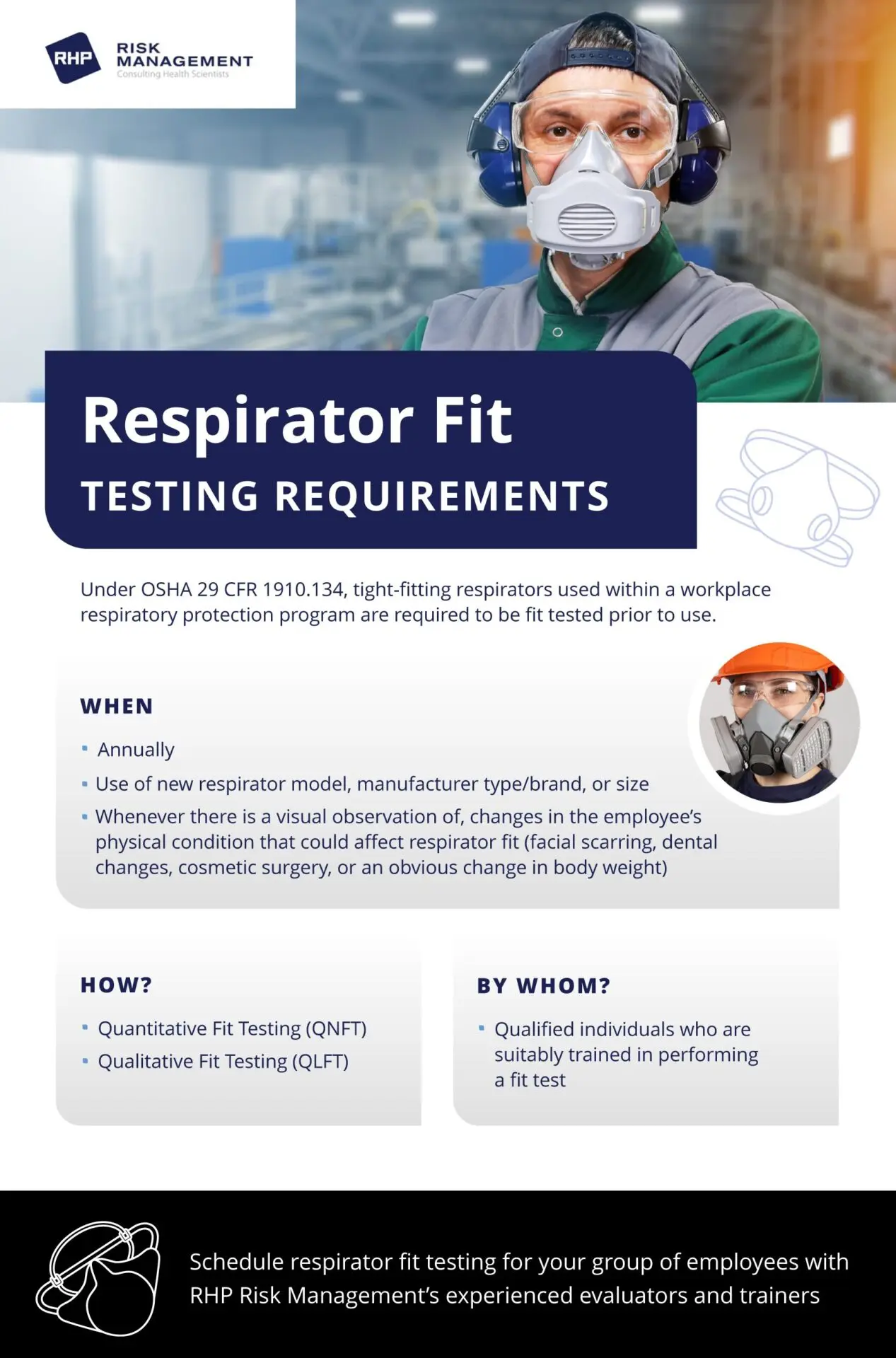
The Occupational Safety and Health Administration (OSHA) sets clear rules for fit testing in workplaces across the United States. Employers must conduct fit tests before an employee uses a respirator for the first time and then annually to confirm the fit remains effective.
OSHA specifies two main types of fit tests: qualitative and quantitative. Qualitative tests depend on your senses (like taste or smell), while quantitative tests use machines to measure the seal’s effectiveness.
Have you ever wondered why your workplace insists on these tests every year? It’s because your facial features can change, or the respirator model might be updated, affecting the fit and your safety.
International Guidelines
Beyond OSHA, many countries follow international guidelines to regulate fit testing. Organizations like the International Organization for Standardization (ISO) provide detailed standards that help unify safety practices worldwide.
For example, ISO 16975 outlines requirements for respiratory protective devices and fit testing procedures. Following these guidelines helps companies maintain consistent safety levels, whether you’re in Europe, Asia, or elsewhere.
Do you know if your safety gear meets these global standards? Checking this can help you trust your equipment no matter where you work or travel.
Fit Testing Methods
Fit testing methods are essential to ensure that respiratory protective equipment fits you properly. Without the right fit, the mask may not provide the protection you expect, leaving you vulnerable. Understanding the different fit testing methods helps you choose the best approach for your safety needs.
Qualitative Fit Testing
Qualitative fit testing relies on your senses to detect leaks in the mask seal. You wear the mask, and a test agent with a distinct taste or smell is introduced around the mask’s edges.
If you taste or smell the agent, it means the mask isn’t sealing well. This test is simple, quick, and cost-effective, but it only works with certain types of masks and requires your honest feedback.
Have you ever noticed how a strange taste can instantly alert you to a problem? This method uses that natural reaction to keep you safe.
Quantitative Fit Testing
Quantitative fit testing uses machines to measure the actual amount of leakage into the mask. Sensors compare the concentration of particles inside and outside the mask to give a precise fit factor.
This method is objective and works with all types of respirators. It provides numbers you can trust, helping you understand exactly how well your mask fits.
Imagine having clear data showing your mask’s effectiveness—wouldn’t that give you more confidence in your protection?
Preparing For Fit Testing
Preparing for fit testing is important to get accurate results. It helps ensure your mask fits well and protects you properly. Proper preparation can make the process smooth and stress-free.
Knowing what to expect and how to prepare makes the test easier. This section covers key instructions and common challenges to help you get ready.
Pre-test Instructions
- Do not eat, drink, smoke, or chew gum 15 minutes before testing.
- Wear comfortable clothing and avoid heavy makeup or lotions on your face.
- Remove any facial hair that may block the mask seal.
- Bring your mask and any personal protective equipment you use.
- Arrive on time and follow the tester’s directions carefully.
Common Challenges
- Facial hair can cause leaks and lead to test failure.
- Incorrect mask size or style may not fit well.
- Talking or moving too much during the test affects results.
- Failing to follow pre-test rules can cause delays or retesting.
- Anxiety or discomfort may make the test feel difficult.
Conducting The Test
Conducting a fit test is a precise process designed to ensure your mask or respirator fits correctly and provides the protection you need. It involves several clear steps, each one important to get accurate results. Understanding how to conduct the test properly helps you feel confident about your safety gear.
Step-by-step Process
The first part of the test is preparing the equipment and the person being tested. You need to explain the process clearly to the individual, so they know what to expect. This helps reduce anxiety and improves cooperation during the test.
- Start by checking the respirator’s condition, ensuring no damage or wear.
- Put on the mask carefully, following the manufacturer’s instructions.
- Adjust the straps to get a snug but comfortable fit.
- Perform a user seal check by covering the mask and breathing in or out to detect any leaks.
- Next, the person will perform a series of movements and breathing exercises, like turning the head, talking, and bending over.
These movements mimic real-life activities and help identify areas where the mask might leak. If you’ve ever worn a mask during a workout, you’ll notice how movement affects the fit—and that’s exactly what this test checks.
Assessing Results
Once the test exercises are complete, the results need careful review. Devices used in fit testing measure the amount of particles leaking into the mask, giving a quantitative score or a pass/fail outcome.
Ask yourself: Does the mask maintain a tight seal during every movement? Even a small leak can let harmful particles in, defeating the purpose of the respirator.
| Result | What It Means | Action Required |
|---|---|---|
| Pass | Good seal achieved; mask fits well | Use the mask as normal |
| Fail | Leaks detected; poor fit | Adjust mask or try a different size/model |
Remember, even if the mask fits well initially, changes in weight, facial hair, or mask condition can affect the fit over time. Regular fit testing keeps you safe and ensures your protection is reliable every day you need it.

Credit: prosafetytraining.com.au
Training And Certification
Understanding the training and certification involved in fit testing is crucial for anyone responsible for safety in the workplace. Proper training ensures that the person conducting the fit test knows how to perform it correctly and interpret the results accurately. Certification adds a layer of credibility and trust, showing that the tester meets industry standards.
Trainer Qualifications
A qualified trainer typically has a background in occupational health or safety. They should have hands-on experience with various types of respirators and fit testing methods. Look for trainers who hold certifications from recognized bodies, such as OSHA or NIOSH.
Your trainer should also be able to explain the science behind fit testing in simple terms. This helps you understand why each step matters, making it easier to follow procedures correctly. Have you ever had a trainer who could answer tough questions clearly? That level of expertise can make all the difference.
Certification Process
The certification process usually involves both classroom instruction and practical demonstrations. You’ll learn how to select the right respirator, conduct the test, and document the results properly. Some programs include written exams to confirm your knowledge.
Hands-on practice is key. You need to perform fit tests under supervision to prove your skills. Once certified, you’re often required to renew your certification periodically. This ensures you stay up-to-date with the latest standards and techniques.
Think about how confident you feel when you know your certification is recognized nationally or even internationally. That confidence translates to safer workplaces and better protection for everyone involved.
Maintaining Compliance
Maintaining compliance with fit testing regulations is crucial for workplace safety and legal adherence. It ensures that respiratory protective equipment works effectively and employees are protected from harmful exposures. Staying compliant is not just about passing inspections; it’s about building trust and responsibility in your safety program.
Record Keeping
Keeping detailed records of fit tests is essential. These records should include the date of the test, the type of respirator used, and the test results. Accurate documentation helps you track who has been tested and when their next test is due.
Good record keeping can prevent costly fines and legal issues. It also makes audits smoother and helps you spot patterns that may require attention, like frequent test failures. Have you checked if your current system makes it easy to retrieve fit test data quickly?
Periodic Re-testing
Fit testing isn’t a one-time event. Regular re-testing ensures that the respirator still fits correctly as facial features or equipment types change. Most regulations require re-testing at least once a year, but some workplaces might need it more often.
Ignoring periodic re-testing can lead to using ineffective protective gear. Think about how often your team’s roles or equipment have changed recently. Scheduling re-tests proactively can save you from unexpected risks and keep everyone safe.
Credit: rhprisk.com
Benefits Of Fit Testing
Fit testing offers many benefits for workers and employers. It ensures that protective masks fit correctly. This simple step helps prevent harmful substances from entering the mask. The benefits of fit testing go beyond just wearing a mask. It improves safety and health in the workplace.
Enhanced Safety
Fit testing guarantees a secure seal between the mask and face. This seal stops dust, chemicals, and germs from leaking inside. Workers get better protection against harmful particles. It reduces the risk of illness and injury. Proper fit means less chance of mask slippage during work. Fit testing also helps choose the right type and size of mask.
Improved Workplace Health
Healthy workers mean fewer sick days and higher productivity. Fit testing lowers exposure to dangerous substances. This keeps workers safer and healthier over time. It supports compliance with safety rules and regulations. Employers show they care about worker health. Overall, fit testing creates a safer and healthier work environment.
Frequently Asked Questions
What Is Fit Testing In Respiratory Protection?
Fit testing ensures a respirator properly seals on the user’s face. It checks for leaks and confirms safety. This process helps protect workers from harmful airborne substances by verifying correct mask fit.
Why Is Fit Testing Important For Workplace Safety?
Fit testing prevents exposure to hazardous particles by confirming respirator effectiveness. It ensures workers are protected from airborne contaminants, reducing health risks and complying with safety regulations.
How Often Should Fit Testing Be Conducted?
Fit testing should be done annually or when changing respirator models. It is also necessary after significant facial changes to maintain proper protection and safety compliance.
What Are The Types Of Fit Testing Methods?
There are two main fit testing types: qualitative and quantitative. Qualitative uses taste or smell tests, while quantitative measures actual leakage with specialized equipment.
Conclusion
Fit testing helps ensure masks fit properly and protect well. It checks for leaks and comfort. This process is key for safety in many jobs. Regular fit tests keep protection strong over time. Understanding fit testing helps you stay safe and healthy.
It is a simple step with big benefits. Don’t skip fit testing if you wear protective masks. Stay aware, stay protected.


