
What is Doping in Sports: Unveiling the Truth and Risks
Have you ever wondered what doping in sports really means? It’s a term you’ve probably heard, but do you know how it affects athletes and the games you love?
Understanding doping is key to seeing how fairness and honesty play out in sports. You’ll discover what doping is, why some athletes turn to it, and how it changes the spirit of competition. Keep reading to uncover the truth behind this controversial topic and learn why it matters to you as a fan or athlete.
Doping Defined
Doping in sports is a serious issue affecting athletes worldwide. It involves using banned substances or methods to improve performance. These practices break the rules and harm fair competition. Understanding what doping means is key to grasping its impact on sports.
Doping And Its Purpose
Doping means taking substances or using techniques to boost physical ability. Athletes may use it to increase strength, speed, or endurance. The goal is to gain an unfair edge over others. It disrupts the level playing field that sports aim to maintain.
Common Types Of Doping
- Using anabolic steroids to build muscle
- Taking stimulants to increase alertness
- Using hormones like EPO to improve oxygen flow
- Blood doping to raise red blood cell count
Each type targets specific aspects of performance. All are banned by sports authorities worldwide.
How Doping Is Detected
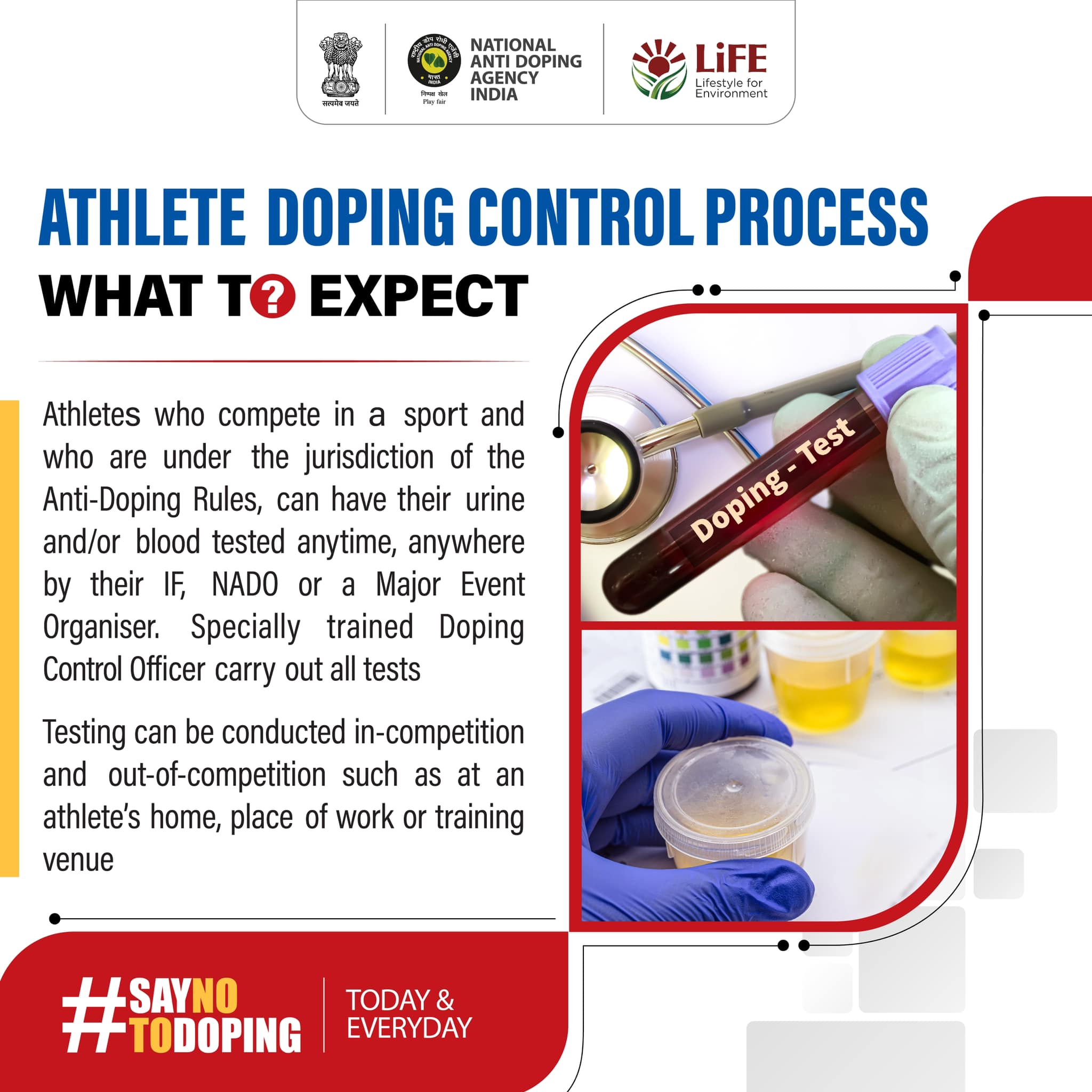
Sports organizations test athletes regularly. They check blood, urine, or other samples. Advanced labs detect banned substances or methods. Positive tests lead to penalties and suspensions.
Consequences Of Doping
Athletes caught doping face serious consequences. These include loss of titles, bans, and damaged reputations. Doping also risks health problems. It harms the spirit of honest competition.
Types Of Doping
Doping in sports includes different methods athletes use to improve their performance unfairly. Each type targets specific areas of the body to increase strength, speed, or endurance. Understanding these types helps reveal how doping affects sports integrity.
Performance Enhancing Drugs
These drugs boost muscle growth, strength, and stamina. Common examples include steroids and stimulants. Athletes take them to recover faster or train harder. They change the body’s natural balance and can cause serious health risks.
Blood Doping
Blood doping increases the number of red blood cells. More red cells mean more oxygen reaches muscles. Athletes use blood transfusions or erythropoietin (EPO) injections. This method improves endurance but can cause heart problems and blood clots.
Gene Doping
Gene doping alters an athlete’s DNA to boost performance. It involves inserting or changing genes that control muscle growth or oxygen use. This new method is hard to detect and raises many ethical and health concerns. It shows how science can be misused in sports.
Motivations Behind Doping
Doping in sports is not just a matter of breaking rules; it often stems from deep-rooted motivations that push athletes to seek unfair advantages. Understanding these motivations can help you see the complex world behind doping beyond simple cheating. It’s about the pressures and desires that shape choices in high-stakes environments.
Competitive Pressure
Athletes face intense pressure to win, sometimes from coaches, fans, or even themselves. This pressure can make doping seem like the only way to stay ahead when natural talent and hard work feel insufficient. Imagine training for years and feeling like everyone else has an invisible edge—would you be tempted to level the playing field?
Financial Incentives
Success in sports can lead to lucrative sponsorships, prize money, and endorsements. The financial rewards create a strong motivation to do whatever it takes to perform better. When your livelihood depends on winning, the risk of doping might start to look like a calculated investment rather than a reckless gamble.
Psychological Factors
Fear of failure and the desire for recognition can weigh heavily on athletes. Some may use doping as a way to cope with anxiety or boost confidence. Have you ever felt the need for a shortcut to overcome self-doubt? This human side of doping reveals why it’s not just about physical gain but mental survival too.
Health Risks Of Doping
Doping in sports isn’t just about gaining an unfair advantage; it carries serious health risks that can affect your body and mind in lasting ways. Understanding these risks helps you make better choices about your athletic career and overall well-being.
Physical Health Impacts
Doping can cause severe damage to your organs. Steroids, for example, may increase muscle mass but also put stress on your liver and heart.
Common physical issues include:
- High blood pressure and increased risk of heart attack
- Liver damage and tumors
- Hormonal imbalances leading to infertility or unwanted physical changes
Imagine pushing your body harder with drugs, only to end up with permanent health problems. Is a temporary boost worth risking long-term damage?
Mental Health Consequences
Doping doesn’t just affect your body; it can take a toll on your mind. Many athletes experience mood swings, anxiety, and even depression after using performance-enhancing drugs.
Some mental health risks include:
- Increased aggression and irritability
- Paranoia and paranoia-related behavior
- Dependence on drugs leading to withdrawal symptoms
Have you ever wondered why some athletes suddenly change behavior? The mental side effects of doping might be the hidden culprit.
Doping Detection Methods
Doping detection methods are essential tools used to maintain fairness in sports. They help identify athletes who use banned substances or techniques to enhance performance illegally. Understanding how these methods work can give you insight into the complexity behind keeping sports clean and honest.
Testing Procedures
Testing procedures usually start with collecting samples, most often urine or blood, from athletes. These samples are then analyzed in specialized labs to detect the presence of prohibited substances.
Surprise testing plays a big role, catching athletes off guard and reducing chances of cheating. You might wonder how labs catch tiny traces of banned drugs. The answer lies in sensitive chemical tests that can detect even minute amounts.
- Initial screening to identify suspicious substances.
- Confirmatory tests to verify and quantify substances.
- Biological passport monitoring to track an athlete’s biological markers over time.
Technological Advancements
Technology has transformed doping detection significantly. Mass spectrometry and chromatography now allow for more precise identification of substances that were once undetectable.
One impressive innovation is the Athlete Biological Passport, which monitors an athlete’s biological data to spot unusual changes. This method doesn’t look for specific drugs but tracks the effects doping might have on the body.
Have you ever thought about how quickly new drugs appear and how labs stay ahead? Continuous research and updating testing methods ensure that detection keeps pace with new doping techniques.

Credit: cen.acs.org
Anti-doping Regulations
Anti-doping regulations protect the fairness and safety of sports. They set clear rules about which substances athletes cannot use. These regulations help keep competition honest and athletes healthy. Organizations across the world work together to enforce these rules. Testing and penalties are part of the system to stop doping.
International Standards
International standards guide anti-doping efforts worldwide. The World Anti-Doping Agency (WADA) creates and updates these rules. All sports organizations and countries follow WADA’s code. This code lists banned substances and testing procedures. It ensures consistency in how doping is detected and punished everywhere.
Testing happens both in and out of competition. Athletes must provide samples like urine or blood. Laboratories analyze these samples for banned substances. Results are handled with strict confidentiality and care.
Legal Implications
Breaking anti-doping rules has serious legal effects. Athletes can face suspensions or lifetime bans. These penalties affect their careers and reputations. Some countries also treat doping as a criminal offense.
Sports organizations may take legal action against offenders. Sponsors and teams may end contracts with doped athletes. Laws protect clean athletes and ensure fair play. Anti-doping laws also support health by discouraging harmful drug use.
Famous Doping Scandals
Doping scandals have cast long shadows over the world of sports, shaking fans’ trust and challenging the spirit of fair competition. These high-profile cases expose how some athletes cross ethical lines to gain unfair advantages. Understanding these scandals helps you see the fine line between dedication and deception in sports.
Lance Armstrong And The Cycling Controversy
Lance Armstrong once stood as a symbol of triumph over adversity. His seven Tour de France titles were celebrated worldwide. Yet, years later, evidence revealed a sophisticated doping program that led to all his titles being stripped away.
This scandal made many wonder: How far would you go to win? It also showed the lengths to which some athletes and teams might go to hide the truth.
Ben Johnson’s 1988 Olympic Disqualification
Ben Johnson shocked the world by winning the 100 meters at the Seoul Olympics. But just days later, he tested positive for steroids and was stripped of his gold medal. This case was one of the earliest and most public doping scandals in athletics.
It reminds you that even in moments of glory, the truth can surface. What pressures do you think push athletes to take such risks?
Russian Doping Scandal And State-sponsored Cheating
The Russian doping scandal revealed a state-sponsored effort to enhance athletic performance illegally. It involved tampering with samples and covering up positive tests at the Olympic Games. The fallout included bans and a loss of credibility for many Russian athletes.
This scandal raises tough questions about national pride versus honesty. How should entire teams be held accountable for the actions of some?
Marion Jones And The Fall From Grace
Marion Jones was a track and field star, winning multiple Olympic medals. However, she later admitted to using performance-enhancing drugs and was stripped of her medals. Her story shows how doping can derail even the most promising careers.
Her experience encourages you to think about the long-term consequences beyond just the win. Is short-term success worth risking your reputation forever?
Credit: www.facebook.com
Ethical Considerations
Ethical considerations in doping go beyond just rules; they challenge the core values of sportsmanship and integrity. You might wonder how cheating impacts not only the individual athlete but also the entire sporting community. Understanding these ethical issues helps you appreciate why doping is a serious concern worldwide.
Fair Play
Fair play means competing on a level field where everyone has an equal chance based on natural talent and hard work. Doping disrupts this balance by giving some athletes an unfair edge through artificial means.
Think about a race where one runner secretly uses performance enhancers. Would you feel the victory is genuine? Most would say no, because the spirit of competition is lost.
Fair play protects the respect athletes earn from their peers and fans. Without it, achievements lose their value and trust in sports fades.
Athlete Responsibility
Every athlete carries the responsibility to compete honestly and respect the rules. You might ask yourself: What motivates an athlete to risk their health and reputation by doping?
Sometimes, pressure to win can cloud judgment. But true responsibility means choosing integrity over shortcuts, regardless of the stakes.
By staying clean, athletes set a positive example for younger generations and uphold the true meaning of sportsmanship.
Preventive Measures
Preventing doping in sports requires strong, clear actions. These actions help athletes choose fair play and stay healthy. Two key ways to stop doping are education and support. Both build trust and show the true spirit of sports.
Education Programs
Education programs teach athletes about doping risks and rules. They explain how doping harms health and reputation. These programs include workshops, videos, and easy guides. Coaches and trainers also learn to spot warning signs. Knowledge helps athletes make smart, clean choices.
Support Systems
Support systems provide help beyond education. Athletes get counseling to handle pressure and stress. Teams offer medical advice and mental health support. Friends and family play a role in encouragement. A strong support system reduces chances of doping temptations.

Credit: sg.news.yahoo.com
Frequently Asked Questions
What Is Doping In Sports?
Doping in sports is the use of banned substances or methods to enhance athletic performance. It violates fair play rules and poses health risks. Anti-doping agencies test athletes to maintain integrity and ensure a level playing field in competitions worldwide.
Why Do Athletes Use Doping Substances?
Athletes use doping to improve strength, endurance, and recovery speed. It can give unfair advantages but is illegal and risky. The pressure to win often drives some to resort to these banned methods despite strict regulations and penalties.
How Is Doping Detected In Athletes?
Doping is detected through urine and blood tests. Anti-doping labs analyze samples for prohibited substances or methods. Random and targeted testing ensures athletes comply with rules. Positive tests lead to sanctions, including bans and loss of titles.
What Are Common Doping Substances In Sports?
Common doping substances include steroids, stimulants, hormones like EPO, and blood doping agents. These enhance muscle mass, oxygen delivery, or alertness. All are banned due to unfair advantage and severe health risks like heart problems and hormonal imbalance.
Conclusion
Doping in sports harms fair play and athlete health. It creates unfair advantages and damages trust. Sports should be about talent, hard work, and honesty. Clean competition respects the rules and fans. Everyone benefits when athletes compete without doping. Choosing fair play makes sports more exciting and real.
Let’s support athletes who compete with honesty and pride.