What is D1 in Sports: Ultimate Guide to Top College Athletics
Have you ever wondered what it means when someone says an athlete is playing in “D1” sports? If you’re curious about the highest level of college athletics and what sets it apart, you’re in the right place.
Understanding D1 can change the way you see college sports, the dedication it takes, and why these athletes stand out. Keep reading to discover what D1 really means and why it matters to you—whether you’re a fan, a student, or someone dreaming of competing at that level.

Credit: www.linkedin.com
D1 Sports Overview
Understanding D1 in sports is key if you want to grasp the top level of college athletics in the United States. It represents the highest division of competition, where athletes often balance rigorous training with academic commitments. Let’s break down what D1 really means and how it came to be such a prestigious category.
Definition And Meaning
Division 1, or D1, is the top tier of college sports governed by the NCAA (National Collegiate Athletic Association). It includes schools with the largest budgets, best facilities, and most athletic scholarships. D1 athletes compete at the highest intensity and often attract attention from professional scouts.
Think about your favorite college basketball or football games on TV—those are usually D1 teams battling it out. If you’re aiming to compete at this level, you’re stepping into a world where every game counts and the pressure is real.
Historical Background
The concept of D1 sports dates back to the 1970s when the NCAA reorganized its structure to better match schools by their resources and competitive goals. Before that, all colleges competed in one big group, which made it tough for smaller schools to keep up.
This separation helped create a more balanced playing field and gave fans clearer expectations about the level of play. It also allowed schools to focus on building programs that fit their size and ambitions, leading to the intense rivalries and traditions you see today.
D1 College Athletics Structure
The D1 college athletics structure is the highest level of college sports in the United States. It includes many schools with large budgets and strong sports programs. These schools compete in various sports and follow strict rules and guidelines. The structure ensures fair play and organized competition across the country.
Governance And Organization
D1 athletics are governed by the National Collegiate Athletic Association (NCAA). The NCAA sets rules for eligibility, recruiting, and scholarships. It also oversees championships and enforces compliance. Schools must follow NCAA rules to compete in D1 sports.
Each D1 school has an athletic department. This department manages teams, coaches, and facilities. Athletic directors lead these departments to keep programs running smoothly. They also work to balance sports and academics for student-athletes.
Major Conferences
D1 schools are grouped into conferences. Conferences are collections of teams that play against each other regularly. They organize schedules, tournaments, and championships within the group. Conferences help create local rivalries and reduce travel costs.
- Atlantic Coast Conference (ACC)
- Southeastern Conference (SEC)
- Big Ten Conference
- Pac-12 Conference
- Big 12 Conference
Each conference has its own style and level of competition. Some are known for football, others for basketball or other sports. Conferences also share revenue from media rights and sponsorships with member schools.
Popular D1 Sports
Popular Division 1 (D1) sports capture the attention of millions and define the college sports experience. These sports often have passionate fan bases and receive the most media coverage. Understanding which sports dominate at the D1 level helps you appreciate the scale and excitement of college athletics.
Football
Football is the crown jewel of D1 sports. It draws huge crowds to stadiums and generates significant revenue for schools. The intensity of rivalries and the thrill of bowl games create a unique atmosphere that few other sports can match.
If you’ve ever been to a college football game, you know the energy is electric. Players train year-round to compete at this level, and the sport’s physicality demands peak fitness and strategy. Do you think football’s popularity is more about tradition or the game itself?
Basketball
Basketball is another major D1 sport with a broad appeal. The fast pace and high scoring keep you on the edge of your seat. March Madness, the NCAA tournament, is a prime example of how basketball captivates fans nationwide.
Many schools build their reputation around basketball programs. Players often become household names before even going professional. What draws you more—the individual skill or team dynamics in basketball?
Other Key Sports
Beyond football and basketball, several other sports shine in D1 athletics. Baseball, soccer, and track and field each have their own dedicated followers and competitive scenes. These sports offer opportunities for athletes with diverse talents to excel.
- Baseball:Known for its strategy and skill, D1 baseball is a proving ground for future pros.
- Soccer:Growing rapidly in popularity, soccer showcases speed and teamwork on the field.
- Track and Field:A collection of events testing speed, strength, and endurance, it highlights individual athleticism.
Which of these sports do you think deserves more attention? The variety in D1 sports means there’s something for every fan and athlete alike.

Credit: www.facebook.com
Recruitment Process
The recruitment process for Division 1 (D1) sports is competitive and detailed. Coaches look for athletes who excel both in sports and academics. The journey starts early, often in high school, where athletes showcase their skills. Coaches and recruiters watch games, review stats, and communicate with athletes. This process helps schools find the best players for their teams.
Eligibility Criteria
Athletes must meet specific academic and amateurism rules to play D1 sports. The NCAA sets these standards to keep competition fair. Important factors include:
- Minimum GPA in core courses
- Required SAT or ACT scores
- Completion of a set number of high school core classes
- Maintaining amateur status without professional contracts
Meeting these criteria is essential before an athlete can join a D1 team.
Scholarships And Financial Aid
D1 schools offer athletic scholarships to support talented players. These scholarships can cover tuition, room, and board. The amount varies by sport and school budget. Some scholarships are full, while others are partial. Schools also provide financial aid based on need and merit.
- Scholarships reward athletic skill and potential
- Financial aid helps cover additional education costs
- Renewal depends on maintaining performance and academics
Athletes should communicate clearly with coaches about scholarship offers and aid options.
Life Of A D1 Student-athlete
Life as a Division 1 (D1) student-athlete is intense and demanding. You’re not just a college student; you’re also an athlete competing at the highest collegiate level. This dual role tests your time management, dedication, and resilience every single day.
Balancing Academics And Athletics
Juggling classes and sports practices can feel like a full-time job with overtime. You must stay on top of your coursework while committing hours to training and games. Time management becomes critical—using planners, setting priorities, and sometimes making tough choices about social life.
Imagine finishing a late-night game and still needing to prepare for a big exam the next day. It’s exhausting but doable if you plan well. Many D1 athletes use early mornings or travel time to study, showing that flexibility is key. What strategies can you adopt to keep both your grades and athletic performance strong?
Training And Competition
Training at the D1 level is intense and specific. Expect daily workouts that push your limits, often combined with team meetings and strategy sessions. Recovery, nutrition, and mental focus become as important as physical effort.
Competition isn’t just about skill—it’s about handling pressure and staying consistent. You learn quickly how to perform under stress and bounce back from setbacks. Have you thought about how you’ll maintain your motivation during tough seasons?

Credit: www.tiktok.com
Impact On Professional Careers
The impact of competing at the Division 1 (D1) level in sports extends far beyond college. It shapes your professional opportunities and defines your athletic career trajectory. Understanding this impact can help you make smarter choices about your training, networking, and future goals.
Pathways To Professional Sports
D1 athletes often have direct access to scouts and agents from professional leagues. This exposure increases your chances of being noticed and drafted. The rigorous competition and advanced coaching at this level prepare you physically and mentally for professional challenges.
Many D1 programs also offer specialized training and resources, such as nutritionists and sports psychologists, which can give you an edge. Have you considered how your current training environment might affect your professional prospects?
- Regular games against top talent sharpen your skills.
- High-profile tournaments boost visibility.
- Strong athletic departments provide networking opportunities.
Alumni Success Stories
Look at athletes like Steph Curry or Zion Williamson, who started as D1 players and rose to NBA stardom. Their college experience was crucial in developing their skills and work ethic. These success stories show how D1 can be a launchpad for professional achievement.
But success isn’t limited to the stars. Countless former D1 athletes build solid careers in smaller professional leagues or related fields like coaching and sports management. How can you use your college sports experience to open doors beyond playing professionally?
Challenges And Criticisms
D1 sports offer intense competition and high rewards. Yet, athletes face many challenges. These challenges often lead to criticisms about the system. The pressure to perform and risk of injuries stand out as key concerns.
Pressure And Expectations
D1 athletes carry heavy burdens. Coaches, fans, and schools expect top performance. This pressure can affect mental health. Many players struggle to balance academics and sports. The constant demand to win sometimes causes stress and anxiety. Young athletes may feel overwhelmed or isolated. The spotlight can be bright and unforgiving.
Injury Risks
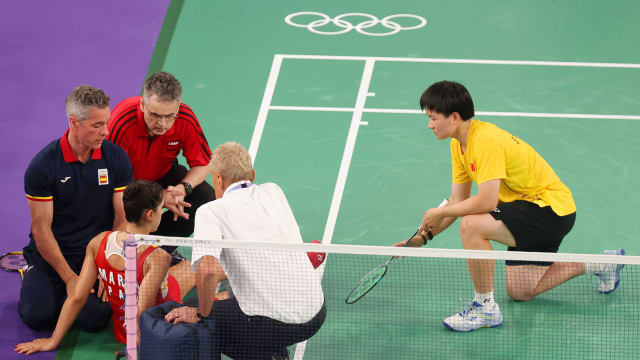
Injuries are common in D1 sports. The physical demands push athletes to their limits. Intense training and games increase chances of harm. Some injuries can be severe and career-ending. Recovery times are often short, risking further damage. Medical support varies between schools. Long-term health effects worry many players and families.
Future Of D1 Sports
The future of D1 sports is shaping up to be both exciting and challenging. As the landscape of college athletics evolves, so do the expectations and opportunities for athletes, coaches, and fans alike. What changes will most impact your experience as a follower or participant in D1 sports?
Trends And Innovations
Technology plays a bigger role every year in D1 sports. From advanced video analysis tools to wearable devices that track athlete health, the game is becoming smarter. You might notice how teams now use data to tailor training, reducing injuries and improving performance.
Social media also changes how athletes connect with fans. You can follow your favorite players more closely and see behind-the-scenes content that wasn’t available before. This direct connection builds stronger communities around sports.
Another trend is the growing emphasis on mental health. Many programs now offer support systems to help athletes handle stress and pressure, which can improve their overall well-being and game focus. How much do you think mental resilience affects an athlete’s success?
Potential Changes
One big question is how NCAA regulations will evolve. Recent moves toward allowing athletes to profit from their name, image, and likeness (NIL) are just the start. Could this lead to a more professional environment in college sports?
There is also talk about expanding playoff formats and adjusting eligibility rules. These changes could make competitions more exciting and fairer. But they might also add pressure on athletes balancing academics and sports.
Lastly, diversity and inclusion efforts are gaining ground. You may see more support for underrepresented groups in sports programs, which can enrich team culture and performance. What impact do you think a more inclusive environment will have on the future of D1 sports?
Frequently Asked Questions
What Does D1 Mean In Sports?
D1 stands for Division 1, the highest NCAA college sports level. It features top athletes and schools with strong sports programs and scholarships.
How Is D1 Different From Other Divisions?
D1 offers more scholarships, higher competition, and larger budgets than Divisions 2 and 3. It demands greater athletic and academic commitment.
Which Sports Are Included In D1?
D1 includes major sports like football, basketball, baseball, soccer, and more. It covers most NCAA-sponsored varsity sports.
What Are The Benefits Of Playing D1 Sports?
Playing D1 sports offers exposure, scholarships, elite training, and professional opportunities. It also boosts academic and personal growth.
Conclusion
D1 in sports means the highest level of college competition. Athletes in D1 play against the best teams. They train hard and follow strict rules. Many dream of becoming D1 players. It takes skill, effort, and dedication. Understanding D1 helps you appreciate sports more.
It shows how serious college sports can be. Keep learning about sports to enjoy the games better.