What is Barre Fitness Class: Transform Your Body and Boost Strength
Are you looking for a workout that tones your body, improves your balance, and boosts your energy—all without high impact or heavy weights? Barre fitness classes might be exactly what you need.
Combining elements of ballet, Pilates, and yoga, this workout targets your muscles in a way that feels both challenging and graceful. If you want to discover how barre can transform your fitness routine and help you feel stronger and more confident, keep reading.
You’re about to learn everything you need to know about what a barre fitness class is and why it could be your next favorite workout.
The Essence Of Barre Fitness
The essence of Barre fitness lies in its unique blend of strength, flexibility, and balance training. It draws inspiration from ballet, yoga, and Pilates, creating a workout that tones muscles without adding bulk. If you want a workout that challenges your body in new ways, Barre offers precisely that.
What makes Barre stand out is its focus on small, controlled movements. These micro-movements target specific muscle groups, helping you build endurance and sculpt your body. You might be surprised how these subtle moves can lead to noticeable changes in your strength and posture.
The Focus On Precision And Form
Barre classes emphasize perfect form and alignment. Every move requires attention to detail, which helps prevent injury and maximizes results. Think about how paying attention to your posture during daily activities could improve your overall body awareness.
Low-impact, High-intensity Workouts
Barre is gentle on your joints but still challenges your muscles intensely. This makes it ideal if you want to avoid the wear and tear that high-impact workouts often cause. Are you looking for a way to push your limits without risking injury?
Mind-body Connection
Barre encourages you to be fully present during your workout. The slow, deliberate movements require concentration, which can calm your mind while strengthening your body. Could this focus help you carry more mindfulness into your daily routine?
Barre classes often foster a strong sense of community. Working out alongside others who share your goals can keep you motivated and accountable. Have you ever noticed how a supportive environment makes a workout feel less like a chore and more like a shared experience?
History And Origins
Barre fitness class has roots in ballet and physical therapy. It blends dance, Pilates, yoga, and strength training. This unique mix creates a low-impact, full-body workout.
The history of barre dates back to the early 20th century. It began with ballet dancers using the barre for balance during exercises. Over time, fitness experts adapted these moves for general exercise.
Origins In Ballet Training
Ballet dancers use a wooden or metal barre for support. It helps them improve posture, flexibility, and strength. Barre exercises mimic these ballet movements but target a wider audience.
Influence Of Physical Therapy
Physical therapists noticed ballet’s benefits for muscle control. They modified barre techniques to aid injury recovery. This helped make barre safe and effective for all fitness levels.
Development Into Modern Fitness
In the 1950s, Lotte Berk combined ballet with rehabilitation exercises. She created a system to tone muscles and improve posture. Her method inspired many modern barre studios worldwide.
Benefits Of Barre Workouts
Barre workouts offer more than just a fun exercise routine—they deliver tangible benefits that can transform your body and how you feel every day. These workouts combine elements of ballet, Pilates, and yoga, focusing on small, controlled movements that challenge your muscles in new ways. If you’ve ever wondered what specific advantages barre can bring to your fitness journey, let’s break down some key benefits you can expect.
Improved Flexibility
Barre classes emphasize stretching and lengthening muscles through gentle, repetitive movements. This helps you gradually improve your range of motion without pushing too hard or risking injury.
After just a few sessions, you might notice everyday tasks like reaching for something on a high shelf becoming easier. How often do you feel stiff or restricted in your movements during the day? Barre can help you change that.
Enhanced Muscle Tone
The small, precise movements in barre target specific muscle groups, especially those that don’t get worked in traditional workouts. This means you build lean, defined muscle without bulk.
Many people find their arms, legs, and glutes become more sculpted and firmer. If you want a toned look that feels natural and balanced, barre might be the workout you’re missing.
Increased Core Strength
Every barre workout requires you to engage your core for balance and control. This constant activation strengthens your abs and lower back in a way that supports better posture and reduces back pain.
Strong core muscles also improve your performance in other sports and daily activities. Have you noticed how much easier it is to maintain good posture after a few barre sessions? That’s your core getting stronger.
Key Elements Of A Barre Class
Understanding the key elements of a barre class helps you get the most out of your workout. Each part of the session is designed to build strength, improve flexibility, and enhance posture. Paying attention to these components allows you to stay engaged and avoid injury while maximizing results.
Warm-up Exercises
The warm-up in a barre class is gentle but effective. It prepares your muscles and joints for the workout ahead by increasing blood flow and loosening tight areas. Expect to perform simple movements like arm circles, leg lifts, and light stretches that wake up your entire body.
Starting with a focused warm-up helps reduce soreness later. Have you noticed how skipping this part makes your muscles feel stiff? Taking these first few minutes seriously sets the tone for a safer, more productive session.
Barre Techniques
The core of the barre class revolves around specific techniques that blend ballet, Pilates, and yoga movements. You’ll work on small, controlled pulses and isometric holds, which target muscles that often get overlooked in other workouts.
Using the barre for balance, you’ll perform exercises like pliés, leg lifts, and core contractions. These moves demand precision and focus, helping you build endurance and tone your body without heavy impact.
Have you ever realized how tiny adjustments in posture can change the intensity of an exercise? Paying close attention to alignment and breath control makes a huge difference in effectiveness.
Cool Down Routine
The cool down at the end of a barre class is just as important as the warm-up. It helps your muscles relax and prevents stiffness by incorporating stretches that improve flexibility and reduce tension.
Expect slow, deliberate movements targeting the legs, hips, and back. These stretches not only feel good but also aid recovery and prepare you for your next workout.
Do you take enough time to stretch after exercise? Skipping the cool down can leave you feeling tight and sore, while a proper routine promotes long-term mobility and comfort.
Equipment Used In Barre
Barre fitness classes use simple equipment to enhance your workout. These tools help target muscles with precision and improve balance. Each piece supports small, controlled movements that build strength and flexibility.
Barre
The barre is a sturdy horizontal bar fixed to a wall or freestanding. It provides support for balance during exercises. You hold it while doing stretches, leg lifts, and squats. The barre helps maintain proper posture and alignment.
Resistance Bands
Resistance bands add tension to movements, increasing muscle challenge. They come in various thickness levels to suit different strengths. Bands are lightweight and easy to use for arm, leg, and core exercises. They improve muscle tone and endurance.
Light Weights
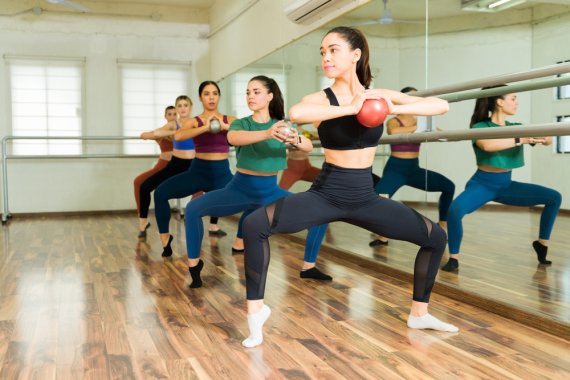
Light weights, usually 1 to 5 pounds, help sculpt muscles gently. Small dumbbells or wrist weights add resistance during arm movements. Using light weights increases muscle definition without bulk. They also boost calorie burn and improve muscle control.
Credit: www.ispo.com
Comparing Barre To Other Fitness Programs
Comparing Barre to other fitness programs helps to understand its unique benefits. Barre blends elements from different workouts for a full-body experience. It focuses on strength, flexibility, and balance. Each program has its style and goals, making the comparison useful.
Barre Vs. Pilates
Barre and Pilates both improve core strength and posture. Pilates emphasizes controlled movements and breathing. Barre uses small, pulsing motions and often incorporates a ballet barre. Pilates focuses more on mat or equipment exercises. Barre classes include light weights and isometric holds. Pilates works deeply on muscle control and alignment. Barre targets muscle endurance and sculpting. Both improve flexibility but with different techniques.
Barre Vs. Yoga
Yoga emphasizes breath control and mindfulness. It includes static poses held for longer periods. Barre mixes dynamic movements with light resistance. Yoga improves flexibility and mental calmness. Barre focuses on muscle toning and stamina. Yoga uses body weight and flow sequences. Barre often involves small, repetitive movements. Both increase balance but have distinct approaches. Yoga connects mind and body deeply. Barre strengthens muscles with a cardio edge.
How Barre Transforms Your Body
Barre fitness reshapes your body by focusing on precise movements that target muscles you might not usually engage. This workout blends ballet-inspired moves with strength training and flexibility work, creating a unique approach to fitness. You’ll notice changes not just in how you look, but in how you feel and move every day.
Building Lean Muscle
Barre exercises use small, controlled movements that challenge your muscles without adding bulk. This approach helps you build long, lean muscle fibers, which improve your overall tone. You won’t just get stronger—you’ll develop muscles that look defined and graceful.
Think about holding a low squat or extending your leg slowly; these moves force your muscles to work hard over time. This slow burn stimulates muscle growth and endurance differently than heavy weights. How often do you get a workout that sculpts your body without feeling like you’re lifting weights?
Improving Posture
Barre classes emphasize core strength and alignment, which are key to better posture. You learn to engage your core muscles continuously, supporting your spine and reducing slouching. This training rewires your body to hold itself upright naturally.
Imagine sitting at your desk all day but still feeling tall and supported. That’s the kind of change barre creates. Have you noticed how better posture can boost your confidence and reduce aches? Barre helps you achieve that by making good posture part of your muscle memory.

Credit: www.everydayhealth.com
Getting Started With Barre
Starting a Barre fitness journey can feel exciting and a bit new. This workout mixes ballet, yoga, and Pilates moves. It shapes muscles, improves balance, and boosts posture. Knowing how to begin helps you enjoy the class fully and feel confident.
Finding The Right Class
Look for classes that match your fitness level. Many studios offer beginner sessions. These classes teach basic moves and use slower pace. Check class size; smaller groups get more personal attention. Choose a time that fits your schedule well. Online classes also offer flexibility and variety.
What To Wear
Wear comfortable clothes that allow easy movement. Tight leggings or shorts and a fitted top work best. Avoid loose clothing that can catch on the barre. Choose socks with grips or go barefoot, depending on the studio rules. Bring a water bottle to stay hydrated.
Tips For Maximizing Results
Getting the most out of your barre fitness class means more than just showing up. It requires a thoughtful approach to how you train and care for your body before, during, and after each session. Small adjustments in your routine can significantly boost your progress and enjoyment.
Consistency Is Key
Showing up regularly is the foundation of any fitness success, and barre is no different. Try to schedule your classes like important appointments you can’t miss. This steady rhythm helps your muscles adapt and grow stronger over time.
Think about your own week—can you carve out three sessions? That frequency is often enough to see noticeable changes in strength and posture. Skipping sporadically might feel easier, but it usually slows down your results.
Listening To Your Body
Barre is intense, but pushing through pain isn’t productive. Pay close attention to how your body reacts during each move. If something feels sharp or overly uncomfortable, adjust your position or take a short break.
Rest days are just as important as workout days. They allow your muscles to repair and grow. Have you noticed how a little extra recovery improves your performance in the next class? That’s your body telling you what it needs.
Credit: medium.com
Community And Support
Barre fitness classes offer more than just a workout; they build a strong sense of community and support that keeps you motivated. The environment encourages encouragement and friendship, making every session feel welcoming and energizing. You’ll find that the connections you make can be just as rewarding as the physical benefits.
Joining Barre Groups
Joining a barre group can transform your fitness journey. These groups often meet regularly outside class times, creating a space for sharing tips, celebrating progress, and staying accountable.
Many members form lasting friendships, turning workouts into social events you actually look forward to. Have you noticed how much easier it is to stay committed when others are counting on you?
- Group challenges to keep everyone motivated
- Social media groups for sharing achievements and questions
- Casual meetups or healthy potlucks to strengthen bonds
Connecting With Instructors
Your relationship with barre instructors can deeply influence your experience. They offer personalized guidance and celebrate your milestones, making you feel seen and supported.
Instructors often provide modifications tailored to your needs, helping you progress safely and confidently. Have you ever felt a boost of motivation just from a few encouraging words during class?
Building a connection with your instructor means you can ask questions openly and get advice that fits your unique fitness level. This connection can push you to try new moves and reach goals you didn’t think were possible.
Frequently Asked Questions
What Is A Barre Fitness Class?
A Barre Fitness class combines ballet-inspired moves with Pilates and yoga. It focuses on strength, flexibility, and balance using small, controlled movements.
Who Can Join A Barre Fitness Class?
Anyone can join Barre classes, regardless of fitness level. It’s low-impact, making it suitable for beginners and those recovering from injury.
What Equipment Is Needed For Barre Fitness?
Typically, a Barre class requires a ballet barre, a mat, and light weights. Some classes may also use resistance bands or small balls.
How Often Should I Attend Barre Classes?
For best results, attend Barre classes 2-3 times per week. Consistency helps build strength, improve posture, and increase flexibility over time.
Conclusion
Barre fitness classes blend ballet, yoga, and Pilates moves. They help build strength, improve balance, and increase flexibility. Each session is low-impact but effective. You use small, controlled movements that tone muscles without strain. Many find these classes fun and motivating.
They suit all fitness levels and ages. Try a class to feel energized and strong. Experience how small steps lead to big results. Give your body a new kind of workout today.