What is a Fitness Test: Ultimate Guide to Boost Your Health
Have you ever wondered how fit you really are? A fitness test can give you clear answers about your body’s strength, endurance, and flexibility.
Understanding your fitness level is the first step to improving your health and reaching your goals. You’ll discover what a fitness test is, why it matters, and how it can help you take control of your well-being. Keep reading, because knowing your fitness score could change the way you approach your workouts forever.

Credit: www.facebook.com
Purpose Of Fitness Tests
Fitness tests help measure your body’s strength, endurance, and overall health. They provide clear data about your current fitness level. These tests guide you in setting realistic goals and tracking progress.
People use fitness tests for many reasons. They can show areas that need improvement. They also help avoid injuries by identifying weaknesses early.
Assessing Physical Strength And Endurance
Fitness tests measure how strong and fit your body is. This includes muscles, heart, and lungs. They show how long you can keep up physical activity without getting tired.
Tracking Progress Over Time
Regular fitness tests show changes in your fitness level. They help you see improvements or declines clearly. This keeps motivation high and guides your workout plans.
Setting Personalized Fitness Goals
Tests help create goals that fit your needs and abilities. They make sure your goals are realistic and safe. This improves your chances of success.
Identifying Health Risks
Some fitness tests detect health issues early. They can find heart or lung problems before symptoms appear. Early detection helps you get proper care quickly.
Improving Sports Performance
Athletes use fitness tests to boost their skills. Tests reveal strengths and weaknesses in specific areas. This helps tailor training to improve competition results.
Credit: www.facebook.com
Types Of Fitness Tests
Fitness tests come in various forms, each designed to measure different aspects of your physical health. Understanding the types of fitness tests can help you identify which areas need improvement and track your progress effectively. Let’s look at the main categories of fitness tests and what they reveal about your body.
Cardiovascular Tests
These tests evaluate how well your heart, lungs, and blood vessels work during physical activity. They often involve activities like running, cycling, or stepping. For example, the VO2 max test measures how much oxygen your body uses, giving you a clear picture of your endurance.
Have you ever noticed how your breathing changes during intense exercise? Cardiovascular tests help quantify that feeling and show you ways to boost your stamina.
Strength Assessments
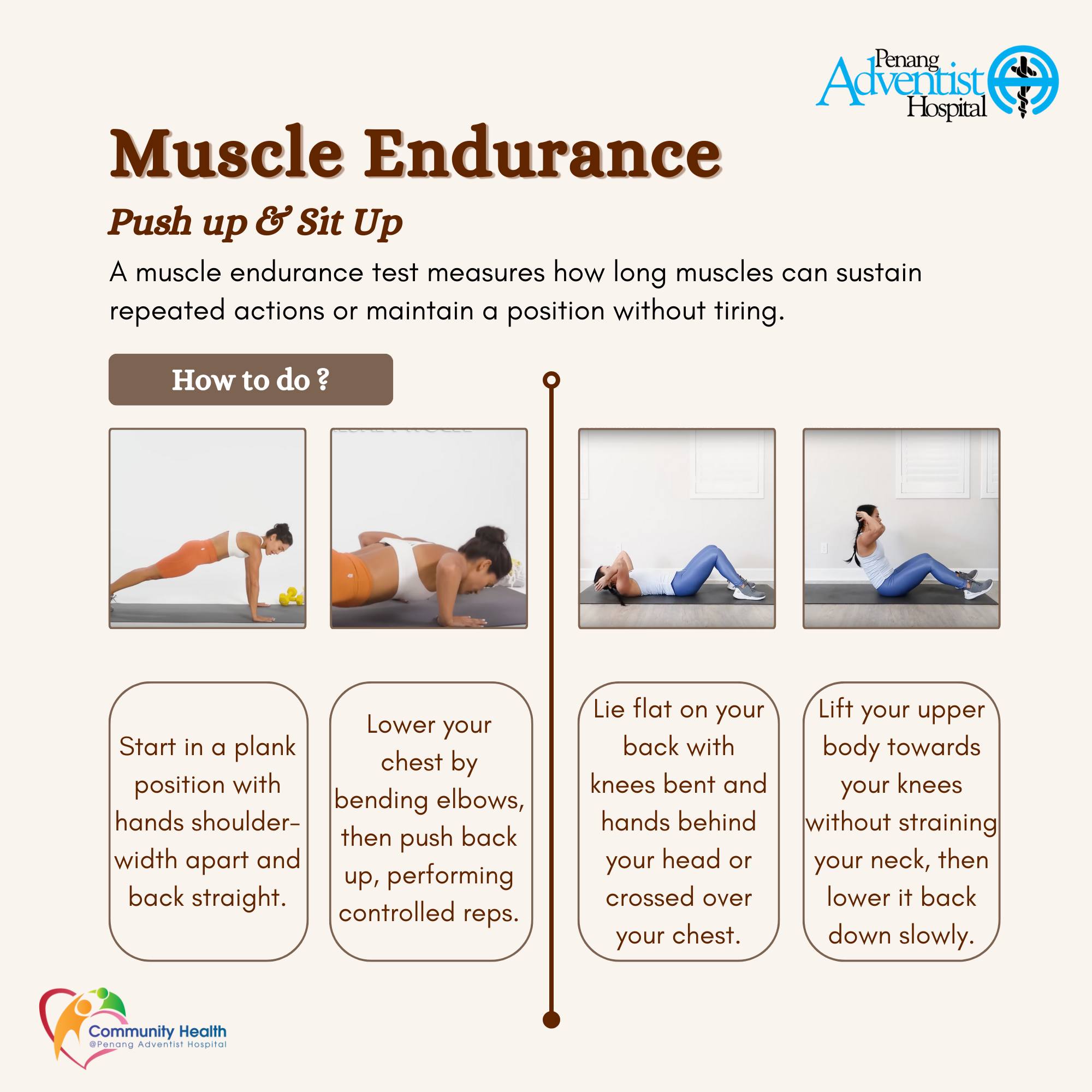
Strength assessments measure the power of your muscles. Common tests include lifting weights, push-ups, or grip strength measurements. I once struggled to do more than a few push-ups, but tracking my strength helped me add reps steadily over time.
Knowing your muscle strength can guide your workouts to prevent injury and improve performance. What muscle groups do you think could use more focus in your routine?
Flexibility Measurements
Flexibility tests check how far your joints can move without pain. The sit-and-reach test is a popular example that measures lower back and hamstring flexibility. Improved flexibility reduces muscle tightness and enhances overall movement.
Have you felt stiff after sitting for hours? Flexibility tests can highlight areas that need stretching to ease daily discomfort.
Body Composition Analysis
This type of test breaks down your body into fat, muscle, bone, and water percentages. Tools like skinfold calipers or bioelectrical impedance scales provide these insights. Tracking body composition is more accurate than just watching your weight on the scale.
Ever wondered if your weight loss is actually fat loss or muscle loss? Body composition analysis gives you the answer and helps tailor your nutrition and exercise plans.
Benefits Of Fitness Testing
Understanding the benefits of fitness testing can change how you approach your health and workouts. Fitness tests give you clear information about your current physical condition, helping you make smarter decisions. They serve as a reality check, showing you where you stand and where you need to improve.
Improves Self-awareness And Motivation
Fitness tests reveal your strengths and weaknesses. Knowing your limits pushes you to challenge yourself without risking injury. When I first tracked my progress with a simple test, I felt more motivated because I could see real improvements.
Have you ever wondered how much progress you’ve really made? A fitness test answers that question with facts, not guesswork.
Helps Set Clear And Realistic Goals
By measuring your fitness level, you can set goals that fit your current condition. This avoids frustration from setting targets that are too easy or too hard. For example, if a test shows your endurance is low, you can focus on building it gradually.
Clear goals based on your test results keep your workouts focused and effective.
Tracks Progress Over Time
Regular fitness tests show how your body responds to training. This feedback helps you adjust workouts to keep improving. When I tracked my strength with monthly tests, I could tweak my routine to avoid plateaus.
How will you know if your training works without measuring progress?
Identifies Potential Health Risks
Some fitness tests can spot issues like high blood pressure or poor heart function early. Catching these signs means you can take action before problems get worse. It’s a simple way to protect your health while you get fitter.
Wouldn’t you want to know if your body is warning you about a hidden risk?
Customizes Training Plans
Fitness test results help trainers design workouts tailored to your needs. This ensures you focus on areas that need improvement rather than wasting time on what you already do well. Personalized plans lead to better and faster results.
Imagine training smarter, not harder, based on what your body really needs.
Preparing For A Fitness Test
Preparing for a fitness test requires careful planning and focus. It helps you perform better and get accurate results. Proper preparation also reduces stress and builds confidence. Start with the basics, like choosing the right test for your goals. Then set achievable targets and maintain good nutrition. Each step matters in your fitness journey.
Choosing The Right Test
Select a fitness test that matches your current fitness level and goals. Some tests measure strength, others focus on endurance or flexibility. Choose tests that are safe and suit your age and health condition. This helps you get clear results and prevents injury. Always check if the test is approved by health professionals.
Setting Realistic Goals
Set goals that are clear and achievable. Unrealistic targets can cause frustration and loss of motivation. Break big goals into smaller steps. Track your progress regularly to stay motivated. Remember, fitness is a journey, not a race. Celebrate small wins to keep your spirits high.
Proper Nutrition And Hydration
Eat balanced meals before your fitness test. Focus on foods rich in protein, carbs, and healthy fats. Avoid heavy or greasy foods that may cause discomfort. Drink plenty of water to stay hydrated. Dehydration can lower your performance and affect test results. Plan your meals and water intake ahead of time.
Conducting A Fitness Test
Conducting a fitness test helps measure your physical health and abilities. It provides clear data on strength, endurance, flexibility, and cardiovascular health. Preparing well ensures accurate and safe results. Below are key points to consider when conducting a fitness test.
Equipment Needed
Gather all necessary tools before starting the test. Common equipment includes:
- Stopwatch or timer
- Measuring tape or ruler
- Heart rate monitor or pulse checker
- Weights or resistance bands
- Mat for floor exercises
- Cones or markers for distance tests
Having the right equipment ensures the test runs smoothly and results are reliable.
Safety Precautions
Safety is crucial during any fitness test. Always warm up before starting. Perform exercises in a clear, open space. Drink water to stay hydrated. Stop immediately if pain or dizziness occurs. Use proper form to avoid injury. Ensure supervision if the test involves intense activities or if the person is new to exercise.
Understanding Test Results
Test results show your current fitness level. Compare scores with standard norms for your age and gender. Use results to identify strengths and areas needing improvement. Track progress by repeating tests regularly. Consult a fitness professional for detailed analysis and advice. Remember, results guide your fitness journey, not define your worth.

Credit: www.nytimes.com
Using Results To Improve Health
Using the results of a fitness test is your first real step toward improving your health. These results provide clear, personalized data about your current physical condition. You can use this information to make smarter decisions about your workouts, diet, and daily habits.
Personalized Fitness Plans
Your fitness test results highlight your strengths and areas that need work. This allows you to create a workout plan tailored just for you, rather than following generic advice. For example, if your endurance is low but strength is decent, you might focus more on cardio exercises to build stamina.
Personalized plans keep you motivated because they match your unique needs. They also reduce the risk of injury by avoiding exercises that are too advanced or not suitable. Have you ever felt stuck with a routine that didn’t seem to help? A fitness test can prevent that by guiding your choices.
Tracking Progress
Once you have your baseline from the fitness test, you can measure progress over time. Regular testing helps you see what’s working and what isn’t. This real feedback loop can be incredibly motivating.
Imagine tracking your push-ups or running time every month. Seeing improvement, even small, pushes you to keep going. It also helps you avoid plateaus by showing when you need to change your approach.
Adjusting Lifestyle Habits
Fitness test results don’t just inform your workouts; they reveal lifestyle habits that may need tweaking. For example, poor flexibility or balance might suggest you need more stretching or yoga.
Maybe your test shows low cardiovascular fitness, which could be a sign to add more walking or cycling into your daily routine. Small changes like choosing stairs over elevators or taking short active breaks during work can have a big impact over time.
Are you ready to let your fitness test results guide meaningful changes in your daily life?
Common Mistakes In Fitness Testing
Common mistakes in fitness testing can affect your results and progress. These errors often come from poor preparation or misunderstanding the test process. Avoiding these pitfalls helps get accurate and useful data about your fitness level.
Not Warming Up Properly
Skipping or doing a light warm-up leads to poor performance. Muscles need time to get ready for exercise. A proper warm-up reduces injury risk and improves test accuracy.
Poor Test Technique
Wrong form or method affects test results. Incorrect technique can cause injury and give false readings. Follow instructions carefully and practice the movements before testing.
Testing When Tired Or Sick
Fatigue and illness lower your ability to perform. Testing under these conditions gives unreliable results. Rest and recover before doing any fitness test for the best outcome.
Inconsistent Testing Conditions
Different environments can change your results. Factors like temperature, surface, and equipment affect performance. Keep conditions as similar as possible for every test.
Ignoring Rest Periods
Not resting enough between test parts lowers your ability to perform well. Rest helps your body recover and prepare for the next part. Follow recommended rest times during fitness tests.
Setting Unrealistic Goals
Expecting too much can cause frustration. Goals should match your current fitness level. Realistic targets motivate and guide your progress better.
Professional Guidance And Resources
Getting professional guidance can transform your fitness test experience. It ensures you measure your progress accurately and safely. Using the right resources also helps you understand what your results mean and how to improve.
Hiring Fitness Experts
Working with a fitness expert can make a big difference. These professionals know how to tailor tests to your specific goals and physical condition.
Personal trainers and sports coaches can:
- Design tests that fit your fitness level
- Teach you proper techniques to avoid injury
- Interpret your results to create realistic plans
I once hired a trainer who showed me how a simple change in my running form improved my endurance test score. Have you thought about how a small adjustment could boost your results?
Online Tools And Apps
Technology offers many smart tools for fitness testing. Apps can guide you through tests, track your progress, and even compare your results to others.
Popular features include:
- Step-by-step instructions for fitness tests
- Progress charts and reminders
- Personalized workout suggestions based on your scores
Using an app gave me instant feedback after my tests, helping me stay motivated and focused. What if you had a coach in your pocket every time you worked out?
Frequently Asked Questions
What Is The Purpose Of A Fitness Test?
A fitness test measures your physical health and abilities. It helps identify strengths and weaknesses. It guides personalized workout plans for better results and injury prevention.
How Often Should I Take A Fitness Test?
Taking a fitness test every 3 to 6 months is ideal. Regular testing tracks progress and adjusts fitness goals. It keeps your exercise routine effective and safe.
What Are Common Types Of Fitness Tests?
Common fitness tests include cardio endurance, strength, flexibility, and body composition assessments. Each test evaluates specific fitness components to provide a complete health profile.
Can Fitness Tests Help Improve Athletic Performance?
Yes, fitness tests identify areas to improve athletic skills. They provide data to customize training programs. This leads to enhanced performance and reduced injury risk.
Conclusion
A fitness test helps you understand your body’s current health. It shows your strengths and areas to improve. Regular testing can guide your exercise choices. It keeps your progress clear and focused. Staying active and healthy becomes easier with these checks.
Remember, small steps lead to big changes. Fitness tests are simple tools for a healthier life. Try one to see where you stand today. Your body will thank you for the care.