What is a Fit Test for Respirator: Essential Safety Guide
Are you sure your respirator is protecting you the way it should? A fit test for a respirator is the key to making sure your mask seals properly and keeps harmful particles out.
Without the right fit, your respirator might not work, leaving you at risk. You’ll discover exactly what a fit test is, why it matters for your safety, and how it can make a real difference every time you put on your mask.
Keep reading to find out how to protect yourself better with a simple but crucial step.
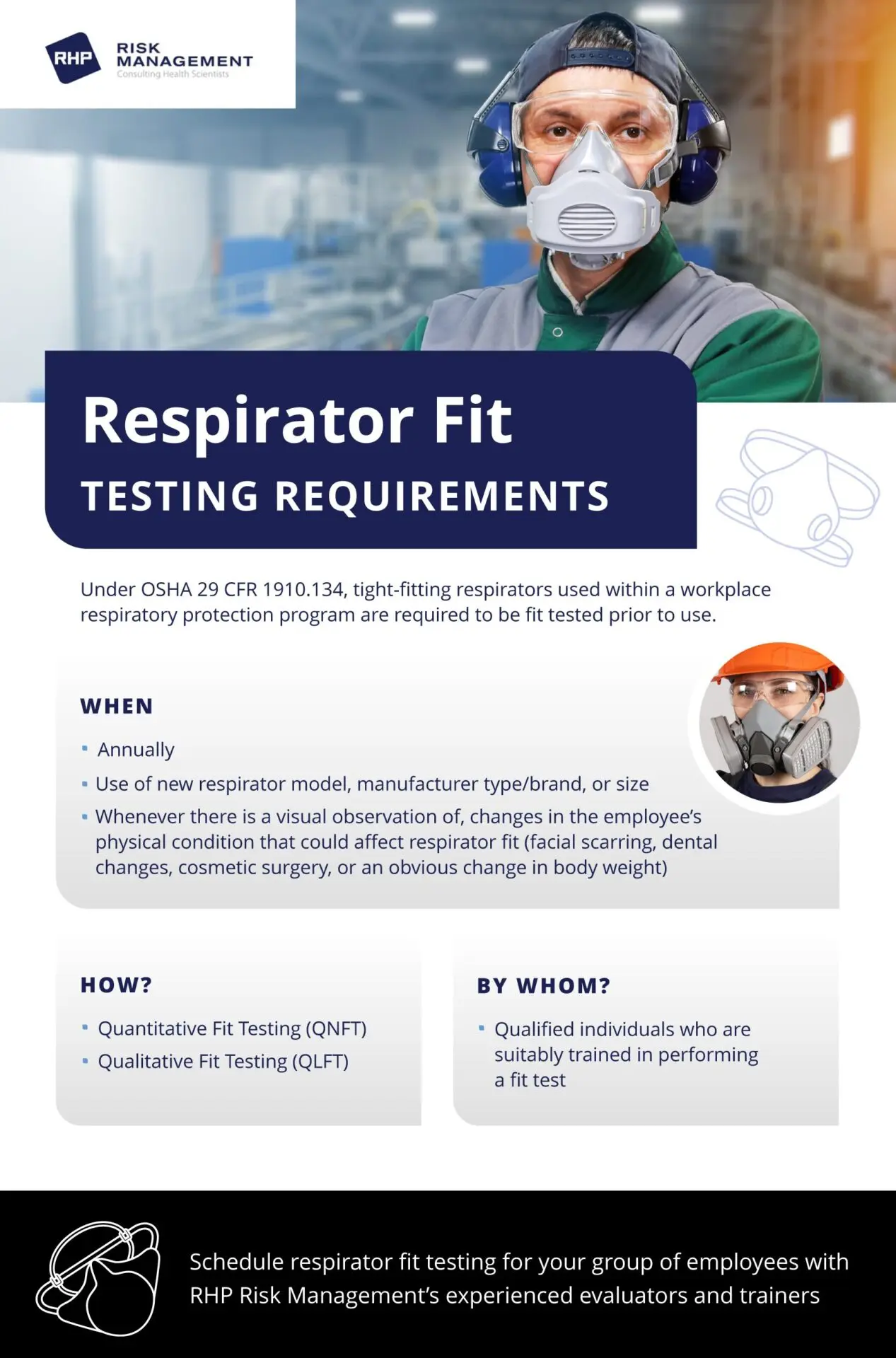
Credit: rhprisk.com
Importance Of Respirator Fit Tests
Respirator fit tests are vital for safety in many workplaces. They check if the mask fits the user’s face perfectly. A good fit prevents harmful particles from entering the breathing zone. This simple test can save lives by ensuring full protection.
Without a proper fit, respirators may fail. Gaps or leaks allow toxins to bypass the filter. Workers may feel safe but remain at risk. Fit tests identify these issues before exposure occurs.
Protecting Worker Health
Respirator fit tests protect workers from dangerous substances. Dust, chemicals, and viruses can cause serious illness. A tight seal keeps these hazards out. Fit tests confirm this seal is secure and effective.
Compliance With Safety Regulations
Many countries require fit testing by law. Employers must follow these rules to avoid penalties. Fit tests show compliance with workplace safety standards. They also reduce liability risks for companies.
Improving Respirator Performance
Fit tests help choose the right respirator model and size. Not all masks fit every face the same way. Testing ensures the respirator performs at its best. This improves comfort and effectiveness during long use.
Boosting Worker Confidence
Knowing the respirator fits well gives peace of mind. Workers can focus on their tasks without worry. Confidence in protection increases productivity and safety awareness.

Credit: www.quicktestservices.com
Types Of Fit Tests
Fit tests are essential to ensure respirators protect users properly. Two main types of fit tests check how well a respirator fits the wearer. Each type uses a different approach to measure the seal and effectiveness of the mask.
Qualitative Fit Test
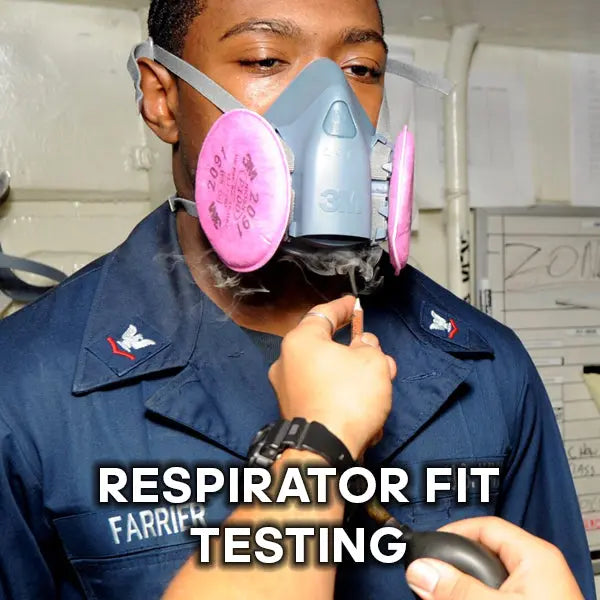
This test uses the wearer’s sense of taste or smell to detect leaks. A test agent like saccharin or Bitrex is sprayed around the mask. If the wearer tastes or smells the agent, the mask does not fit well.
It is simple and does not require special equipment. This test works only with masks that have a tight seal. It is a pass or fail test, giving a quick result.
Quantitative Fit Test
This test uses machines to measure the actual amount of leakage. A device measures particles inside and outside the mask. It provides a numeric score called a fit factor.
The fit factor shows how well the mask seals. This test is more precise and works with many types of respirators. It takes more time and requires special tools.
When To Perform A Fit Test
Knowing when to perform a fit test for your respirator is crucial for ensuring your safety in hazardous environments. Fit testing isn’t a one-time task; it requires regular attention and specific triggers that signal the need for re-evaluation. Understanding the right moments to conduct these tests helps maintain the effectiveness of your protective gear and keeps you confident in its performance.
Initial Fit Testing
Your very first fit test is essential before you start using a respirator in any work setting. This test confirms that the mask forms a proper seal on your face, preventing harmful particles from leaking in. Without this initial check, you might be wearing a respirator that doesn’t protect you as well as you think.
Annual Fit Testing
Even if your respirator fit perfectly the first time, your face shape and size can change over time due to weight fluctuations, aging, or other factors. That’s why an annual fit test is necessary to make sure your respirator still fits properly. Skipping this yearly check could mean you’re unknowingly exposing yourself to risks.
Situations Requiring Additional Testing
There are times when you need to perform extra fit tests beyond the initial and annual ones. Changes like getting new types or models of respirators, having facial surgery, or developing facial scars can affect the seal. Also, if your work conditions change or your respirator is damaged, testing again ensures your protection stays intact.
Steps In Conducting A Fit Test
Understanding the steps in conducting a fit test is essential to ensure your respirator offers the protection it promises. Each phase plays a vital role in confirming the mask fits securely and comfortably. Let’s break down these steps to give you clear guidance on what to expect and how to prepare.
Preparation And Setup
Before starting the fit test, gather all necessary equipment, including the respirator, testing hood, and any solutions or devices required for the specific test type.
Check the respirator for any damage or defects that might affect the seal. Make sure you’re clean-shaven where the mask contacts your face, as facial hair can prevent a proper seal.
Have the participant sit comfortably in a well-ventilated area. Explain the process briefly to reduce anxiety and ensure cooperation.
Conducting The Test
Once the respirator is donned correctly, place the testing hood over the participant’s head. Begin the test by introducing the test agent, such as a sweet or bitter aerosol, inside the hood.
Ask the participant to perform a series of movements and breathing exercises, like turning the head, talking, and bending over. These actions help verify that the mask stays sealed under different conditions.
If the participant detects the test agent’s taste or smell, it means the respirator isn’t sealing properly. Adjust the mask and retest until a proper fit is confirmed.
Post-test Evaluation
After completing the test, remove the hood and respirator carefully. Discuss the results with the participant, emphasizing any adjustments made or needed.
Document the fit test results clearly, including the respirator model, size, and any issues encountered. This record is essential for compliance and future reference.
Consider scheduling regular fit tests, especially if the participant’s facial features or work conditions change. How often do you think your fit should be checked to maintain safety?
Common Mistakes And Challenges
Fit tests are crucial for ensuring your respirator provides the protection it promises. Yet, many people face hurdles during the process that can lead to inaccurate results or, worse, a false sense of security. Recognizing common mistakes and challenges helps you avoid pitfalls and ensures your safety.
Incorrect Mask Selection
Choosing the wrong mask size or type is a frequent error that undermines the fit test. Masks that are too large or too small won’t seal properly, letting harmful particles slip through.
Think about a time when you grabbed a respirator that felt comfortable at first but didn’t sit right after moving your head. That discomfort usually means the mask isn’t a good fit.
Different tasks and environments require different mask types. Don’t assume one mask suits all situations. Always check if the mask matches your work environment and facial features.
Improper Test Administration
Administering a fit test incorrectly can skew results, making it seem like your mask fits when it doesn’t. Skipping steps or rushing through the test compromises accuracy.
- Not following the correct sequence of movements during the test.
- Failing to conduct a proper seal check before starting.
- Using expired or faulty testing equipment.
Ask yourself: Are you thoroughly trained in the fit test procedure? If not, your results might not reflect your actual protection level.
Remember, the goal is to simulate real working conditions during the test. If you don’t move your head, talk, or breathe as you would on the job, the fit test won’t reveal potential leaks.
Regulatory Standards And Guidelines
Regulatory standards and guidelines ensure respirator fit tests protect workers effectively. These rules set the minimum requirements for fit testing. Employers must follow these to keep workers safe from harmful airborne particles.
Fit testing confirms that a respirator fits the user’s face well. It prevents leaks and ensures the respirator works properly. Various organizations create rules to guide fit testing processes worldwide.
Osha Regulations
The Occupational Safety and Health Administration (OSHA) sets strict rules for respirator fit testing in the United States. OSHA requires employers to perform fit tests before workers use tight-fitting respirators. Tests must happen annually or when there are changes in the user’s facial structure.
OSHA allows two types of fit tests: qualitative and quantitative. Qualitative tests use taste or smell to detect leaks. Quantitative tests use machines to measure air leakage precisely.
Employers must keep records of all fit tests. This documentation helps ensure compliance and worker safety. Failure to follow OSHA standards can result in penalties and increased health risks.
International Standards
Many countries follow international standards for respirator fit testing. The International Organization for Standardization (ISO) and the American National Standards Institute (ANSI) provide widely accepted guidelines.
ISO 16975-3 outlines requirements for fit testing procedures. It covers both qualitative and quantitative methods and explains how to assess fit quality. Following ISO standards ensures consistency and reliability in fit testing worldwide.
Countries may adopt these standards into their local laws. The European Union uses EN 149 and EN 143 standards for respiratory protective devices. These include fit testing criteria to protect workers across member states.
Employers should check both local and international standards. This ensures their fit testing programs meet all legal and safety requirements. Proper adherence improves workplace safety and respiratory protection.
Benefits Of Proper Fit Testing
Proper fit testing ensures the respirator fits the user’s face perfectly. This step is essential for safety and comfort. It helps avoid leaks that can let harmful particles in. Fit testing also improves the overall effectiveness of the respirator.
Users feel more confident wearing a mask that fits well. They can focus on their tasks without worrying about exposure. Employers benefit from fewer health risks and reduced liability. Proper fit testing is a small effort with big rewards.
Enhanced Safety
A well-fitted respirator blocks dangerous particles effectively. It creates a tight seal around the face. This seal prevents contaminants from entering the breathing zone. Proper fit testing confirms the seal is secure. It protects workers from dust, chemicals, and viruses.
Without a good fit, harmful substances can bypass the mask. This increases health risks. Fit testing reduces the chance of exposure and illness. It keeps workers safer during hazardous tasks.
Compliance Assurance
Many safety regulations require fit testing before respirator use. Passing the fit test shows compliance with these rules. Employers meet legal standards and avoid fines. Fit testing records provide proof of compliance.
Regular fit testing helps maintain ongoing safety standards. It ensures workers always have the correct respirator fit. Meeting these rules protects both workers and employers. It builds trust in workplace safety programs.
Credit: www.envirosafetyproducts.com
Frequently Asked Questions
What Is The Purpose Of A Respirator Fit Test?
A respirator fit test ensures the mask seals properly on your face. It protects you by preventing harmful particles from entering your lungs. This test confirms the right size and model for effective respiratory protection.
How Often Should You Perform A Fit Test?
Fit tests should be done annually or whenever you change respirator models. Regular testing ensures the respirator maintains a proper seal and continues to provide adequate protection.
What Are The Two Types Of Fit Tests?
The two main types are qualitative and quantitative fit tests. Qualitative uses taste or smell tests, while quantitative measures particle leakage with instruments.
Can Anyone Perform A Respirator Fit Test?
No, only trained personnel should conduct fit tests. Proper training ensures the test is done accurately, guaranteeing effective respirator protection for users.
Conclusion
A fit test for a respirator checks the mask’s seal on your face. It helps ensure no harmful air leaks inside. Proper fit means better protection at work or elsewhere. Everyone using a respirator should take this test regularly. It is a simple step to stay safe and healthy.
Don’t skip this important check before wearing your mask. Your safety depends on the fit. Stay protected by knowing your respirator fits right.