What is a Compression Fitting: Essential Guide for DIY Plumbing
Have you ever wondered how pipes connect without leaks or complicated tools? That’s where a compression fitting comes in.
It’s a simple yet powerful part that holds your plumbing or gas lines tight and secure. Understanding what a compression fitting is can save you time, money, and frustration on your next project. Keep reading, and you’ll discover how this small piece can make a big difference in your home or work setup.

Credit: www.ifanpiping.com
Compression Fitting Basics
Understanding the basics of compression fittings can save you time and frustration during plumbing or DIY projects. These fittings create a tight seal without the need for soldering or special tools, making them a popular choice for many types of piping connections.
Let’s break down what makes compression fittings a handy solution and how they work in simple terms.
What Is A Compression Fitting?
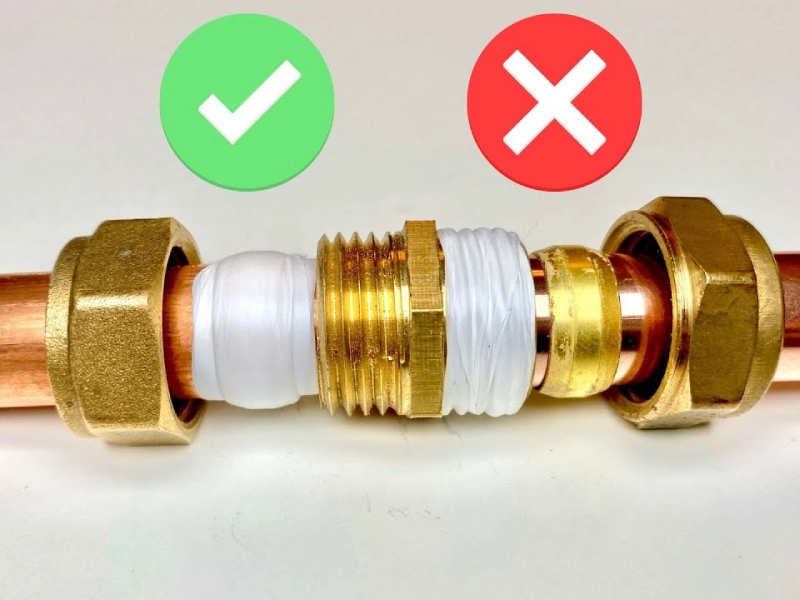
A compression fitting is a type of connector used to join two pipes or a pipe to a fixture. It consists of three main parts: the compression nut, the compression ring (also called a ferrule), and the fitting body.
When you tighten the nut, it compresses the ring against the pipe and the fitting body, creating a tight, leak-free seal. This means you don’t need glue or solder to connect pipes securely.
Where Are Compression Fittings Used?
You’ll often find compression fittings in plumbing systems, especially for water supply lines. They are great for connecting copper, plastic, or steel pipes in places where flexibility and easy disassembly are needed.
Think about a situation where you need to replace a faucet or install a water filter—compression fittings make these tasks straightforward without cutting or welding pipes.
Advantages Of Compression Fittings
- Easy to install:You only need a wrench, no special skills required.
- Reusable:You can disconnect and reconnect without damaging the pipes.
- Reliable seal:Properly tightened fittings prevent leaks effectively.
- Versatile:Suitable for various pipe materials and sizes.
Have you ever struggled with soldering pipes in tight spaces? Compression fittings might be the hassle-free alternative you didn’t know you needed.
Common Materials For Compression Fittings
| Material | Typical Use | Durability |
|---|---|---|
| Brass | Water lines, gas lines | High resistance to corrosion |
| Stainless Steel | High-pressure applications | Very durable and corrosion-resistant |
| Plastic (PVC or CPVC) | Low-pressure water systems | Less durable but easy to work with |
Choosing the right material affects the fitting’s lifespan and performance. What kind of pipes are you working with? That choice can guide your material selection.
Components Of Compression Fittings
Compression fittings consist of three main parts that work together to create a tight seal. These components ensure a secure connection without the need for soldering or welding. Understanding each part helps in selecting and installing the right fitting for your project.
Nut
The nut is the outermost piece that tightens the fitting. It screws onto the body and holds the ferrule in place. Turning the nut compresses the ferrule, creating a strong grip on the pipe or tube.
Ferrule
The ferrule, also called a ring or sleeve, fits inside the nut. It wraps around the pipe and gets compressed by the nut. This compression forms a tight seal that stops leaks and keeps the connection secure.
Body
The body is the main part of the fitting. It connects to the pipe or tube and holds the nut and ferrule. The body often has threads where the nut screws in, allowing the ferrule to compress properly.
Types Of Compression Fittings
Compression fittings come in various types, each designed for specific uses and materials. Understanding these types helps in choosing the right fitting for your project. They all create tight seals but differ in design and application.
Standard Compression Fittings
Standard compression fittings use a nut and a ring called a ferrule. The ferrule compresses onto the pipe when the nut tightens. This creates a strong, leak-free joint. They work well with metal or plastic pipes. These fittings are common in plumbing and gas lines.
Flare Compression Fittings
Flare fittings require the pipe end to be flared outward. The nut then tightens over the flared end against the fitting body. This creates a secure, pressure-resistant connection. Flare fittings are often used in high-pressure systems like gas or refrigeration lines.
Push-fit Compression Fittings
Push-fit fittings are easy to install. They do not need tools or soldering. The pipe simply pushes into the fitting, locking into place. These fittings suit DIY projects and quick repairs. They work with various pipe materials, including copper and plastic.
Credit: dfhydraulics.com
Advantages Of Using Compression Fittings
Compression fittings offer several benefits that make them popular in plumbing and piping tasks. They provide a secure and leak-proof connection without complex tools or skills. These fittings work well in many situations, saving time and effort.
Ease Of Installation
Compression fittings do not require soldering or welding. You only need basic tools like wrenches to tighten the fitting. This makes installation fast and simple, even for beginners. The process creates a tight seal quickly, reducing the risk of leaks.
Versatility
These fittings connect pipes of different materials such as copper, plastic, and steel. They fit various pipe sizes and shapes, making them useful in many systems. Compression fittings are suitable for water, gas, and air lines. This flexibility helps in many repair and new installation projects.
Reusability
You can remove and reuse compression fittings without damaging the pipes. This saves money and resources during repairs or changes. The fittings maintain their sealing ability after multiple uses. Reusability makes them a practical choice for temporary or adjustable connections.
Common Applications In Plumbing
Compression fittings are widely used in plumbing because they provide a reliable and straightforward way to connect pipes without soldering or welding. Their design makes them ideal for situations where you need a secure, leak-free joint that’s also easy to assemble or disassemble. Understanding their common applications can help you decide when and where to use them effectively in your plumbing projects.
Water Supply Lines
Compression fittings are a popular choice for water supply lines in both residential and commercial settings. They allow you to join copper, plastic, or steel pipes quickly without special tools or heat. If you’ve ever had to replace a faucet or install a new sink, you’ve likely encountered these fittings—they make the process much simpler.
One useful tip is to ensure the pipe ends are clean and cut squarely before tightening the fitting. This helps prevent leaks and extends the lifespan of the connection. Have you noticed how often leaks happen at pipe joints? Compression fittings reduce that risk when installed correctly.
Gas Supply Connections
Safety is critical when dealing with gas lines, and compression fittings are often used because they provide a secure, tight seal. These fittings are common in connecting natural gas or propane lines to appliances like stoves, heaters, and boilers. Their ability to maintain integrity under pressure makes them trusted components in gas plumbing.
Remember, though, that gas connections require careful installation and sometimes professional inspection. You might ask yourself: is the fitting tight enough without over-tightening? Striking the right balance is key to preventing leaks while avoiding damage to the fitting or pipe.
Heating Systems
Heating systems, such as radiators and boilers, frequently use compression fittings to connect pipes carrying hot water or steam. Their resistance to temperature changes and vibrations ensures a durable link that won’t fail easily. This is especially helpful if you need to service the system later since the fittings can be undone without cutting pipes.
If you’re upgrading or repairing a heating system, compression fittings can save time and effort. Consider how often you might need to access the pipes—these fittings make future maintenance much more manageable. Have you ever struggled with soldered joints when trying to fix a radiator? Compression fittings might just be the solution you need.
Step-by-step Installation Guide
Installing a compression fitting is a straightforward process. It creates a strong, leak-free connection between pipes. Follow these steps carefully for the best results. Each step prepares you for a secure and lasting fit.
Preparing The Pipes
Start by cutting the pipes clean and straight. Use a pipe cutter for smooth edges. Remove any burrs or rough spots with a deburring tool. Clean the pipe ends with a cloth to remove dirt and grease. Make sure pipes are dry before fitting.
Attaching The Fitting
Slide the compression nut onto the pipe. Next, add the compression ring (ferrule) after the nut. Push the pipe into the fitting body until it stops. Hold the fitting body steady as you move forward. Position the ferrule so it fits snugly around the pipe.
Securing The Connection
Hand-tighten the compression nut onto the fitting body. Use two wrenches to tighten the nut firmly. Hold the fitting with one wrench to avoid twisting the pipe. Tighten the nut until you feel resistance plus a quarter turn. Avoid over-tightening to prevent damage.
Troubleshooting Common Issues
Troubleshooting compression fittings can be straightforward if you know what to look for. These small but crucial components often face issues that can disrupt your plumbing or gas system. Understanding common problems helps you fix them faster and avoid costly damage.
Leaks
Leaks are the most common problem with compression fittings. If you notice water or gas escaping, first check if the fitting is snug. Sometimes, simply tightening the nut a bit more stops the leak.
However, if tightening doesn’t help, inspect the ferrule (the small ring inside the fitting). A damaged or misplaced ferrule can cause leaks. Replacing the ferrule or repositioning it properly often solves the issue.
Misalignment
Misalignment happens when the pipes or tubes don’t fit perfectly into the compression fitting. This can cause poor sealing and eventual leaks. Make sure your pipes are cut straight and pushed all the way into the fitting.
Sometimes, the pipes might need a slight adjustment or trimming. Ask yourself: is the pipe fully inserted, or is it angled slightly? Correct alignment ensures a tight seal without extra force.
Over-tightening
It’s tempting to tighten compression fittings as much as possible to prevent leaks. But over-tightening can damage the fitting or the pipe. This can lead to cracks or crushed ferrules, causing leaks or failure.
Use firm but controlled pressure. If you feel resistance after a certain point, stop tightening. You want a secure fit, not a broken one. Have you ever stripped a fitting by overdoing it? That’s a costly mistake to avoid.
Maintenance Tips
Proper maintenance keeps compression fittings working well and prevents leaks. Regular care extends their life and ensures safe connections. Follow simple tips to keep fittings in top shape.
Regular Inspections
Check fittings often for signs of wear or damage. Look for cracks, rust, or loose parts. Tighten fittings if they feel loose. Early detection stops bigger problems later.
Replacement Of Worn Parts
Replace any worn or damaged parts immediately. Old rings or nuts can cause leaks. Use parts that match the original fitting to ensure a good seal. Keep spare parts handy for quick fixes.
Cleaning Procedures
Clean fittings regularly to remove dirt and debris. Use a soft brush and mild detergent. Avoid harsh chemicals that can damage metal or seals. Dry fittings well before reassembling to prevent rust.
Safety Considerations
Safety is key when working with compression fittings. These fittings join pipes or tubes tightly. They prevent leaks and ensure strong connections. Ignoring safety can cause accidents or damage. Follow rules to protect yourself and your work.
Proper Tool Use
Use the right tools for compression fittings. Wrenches and cutters must fit well. Avoid makeshift tools that can slip or break. Tighten nuts carefully to avoid cracking pipes. Check tools for damage before starting. Proper tools make the job safer and easier.
Handling Hazards
Wear gloves to protect your hands from sharp edges. Pipes and fittings may have rough or sharp parts. Keep your work area clean and free of clutter. Watch out for pinch points when tightening fittings. Work slowly to avoid sudden slips or hits. Good habits reduce risks of cuts and bruises.
Material Compatibility
Match fittings with the right pipe materials. Using wrong materials can cause leaks or breaks. Check manufacturer instructions for compatible metals and plastics. Avoid mixing metals that cause corrosion. Proper material choice extends fitting life and keeps connections safe.

Credit: www.amazon.com
Frequently Asked Questions
What Is A Compression Fitting Used For?
Compression fittings connect pipes or tubes securely without soldering. They are ideal for plumbing and gas lines. These fittings create a tight seal by compressing a ring onto the pipe. This method is reliable, easy to install, and leak-resistant.
How Does A Compression Fitting Work?
A compression fitting works by tightening a nut onto a ring called a ferrule. The ferrule compresses onto the pipe as the nut tightens. This action creates a strong seal that prevents leaks. It requires no heat or special tools for installation.
Are Compression Fittings Suitable For High-pressure Systems?
Yes, compression fittings are suitable for many high-pressure systems. They provide a durable, leak-proof seal under moderate to high pressure. However, choosing the correct material and size is critical for safety and effectiveness in high-pressure applications.
Can Compression Fittings Be Reused?
Compression fittings can sometimes be reused, but it is not always recommended. The ferrule may deform during initial installation, reducing sealing effectiveness on reuse. For best results and to avoid leaks, it is safer to use new fittings.
Conclusion
Compression fittings join pipes tightly without welding or soldering. They are easy to install and remove. These fittings work well for plumbing and gas lines. Their design prevents leaks and holds pipes firmly. Choosing the right compression fitting ensures safety and durability.
Understanding how they work helps you handle basic repairs. Keep these points in mind for your next project. Compression fittings offer a simple, reliable solution for pipe connections. They save time and effort while keeping your system secure.