Should I Do Sport After Muscle/Skeleton Pain: Expert Recovery Tips
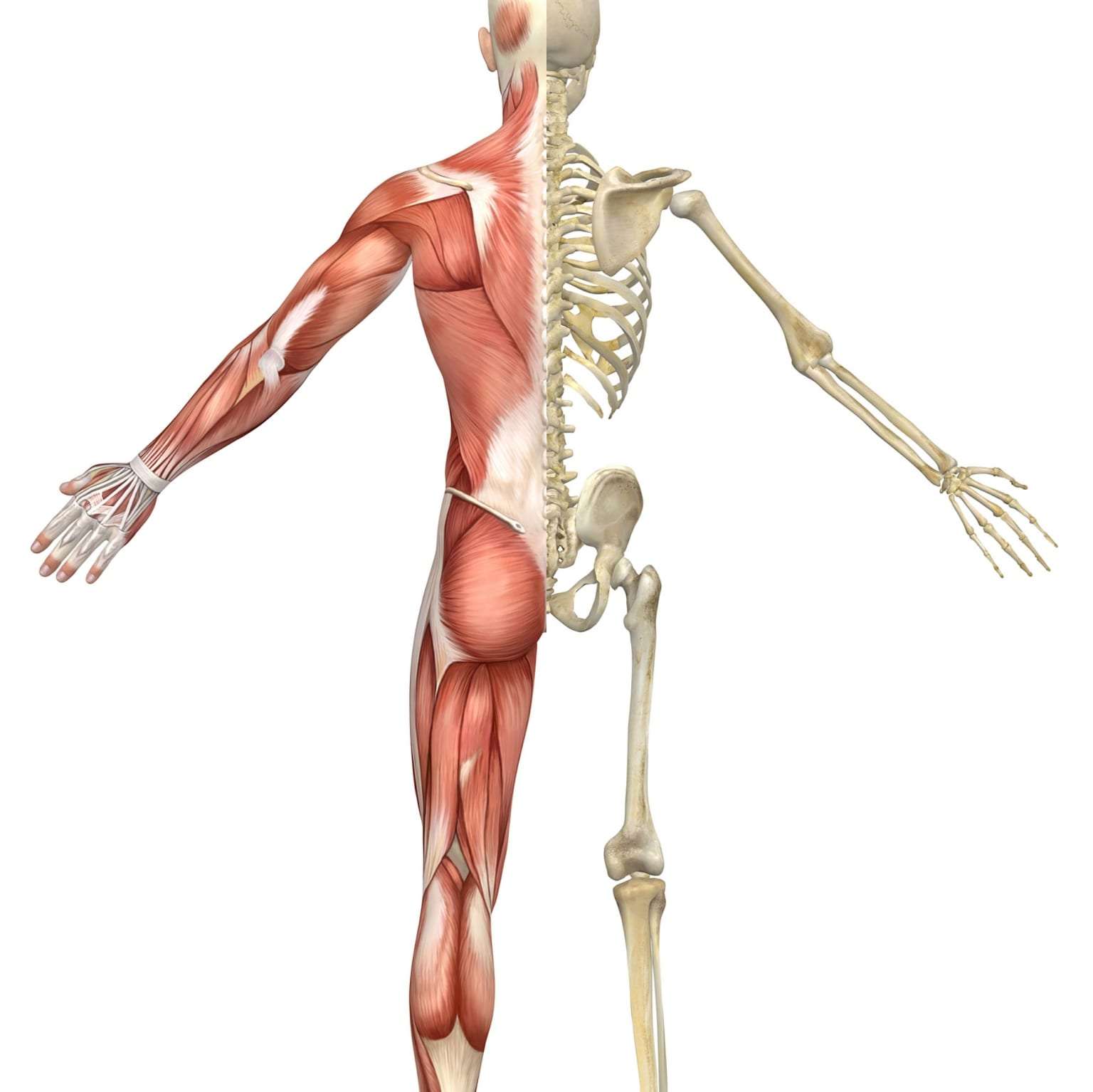
Have you ever felt that nagging muscle or skeleton pain after a workout and wondered, “Should I keep going or take a break?” It’s a question many of us face, especially when staying active feels important but pain makes you hesitate. Understanding when to push through and when to rest can protect your body from harm and speed up recovery.
You’ll discover clear, simple advice to help you decide what’s best for your body—so you can stay strong without risking injury. Keep reading to find out how to listen to your pain and make the right choice for your health.
Assessing Muscle And Skeleton Pain
Assessing muscle and skeleton pain is crucial before deciding to exercise. Understanding the pain helps prevent injury or worsening of the condition. This assessment guides you to make safer choices about physical activity.
Identifying Pain Severity
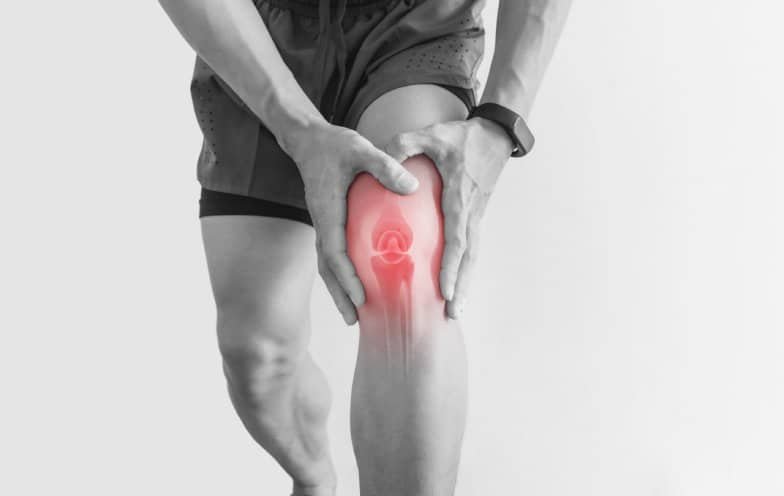
Not all pain signals the same issue. Mild soreness after exercise is normal. Sharp or persistent pain can be a warning sign. Evaluate the pain on a scale from 1 to 10. Pain above 6 usually means rest is necessary. Watch for swelling, numbness, or weakness. These symptoms need medical attention.
Common Causes Of Muscle And Skeleton Pain
Several factors cause muscle and skeleton pain. Overuse and strain happen from excessive or repetitive movements. Poor posture puts stress on muscles and joints. Injuries like sprains, strains, or fractures cause sharp pain. Inflammation from conditions such as arthritis affects bones and muscles. Identifying the cause helps decide if sport is safe.
Consulting Healthcare Professionals
Dealing with muscle or skeleton pain after a workout can leave you wondering if it’s safe to continue exercising. Consulting healthcare professionals is a key step that many overlook. Their expertise can guide you through recovery and help avoid making your injury worse.
When To Seek Medical Advice
Not all pain requires a doctor’s visit, but certain signs should never be ignored. If your pain persists beyond a few days or worsens with movement, it’s time to get professional help.
Also, watch for symptoms like swelling, numbness, or difficulty moving the affected area. These could indicate a more serious injury that needs immediate attention.
Have you ever pushed through pain only to end up sidelined for weeks? Learning to recognize these red flags can save you time and frustration.
Benefits Of Professional Diagnosis
A healthcare professional can pinpoint the exact cause of your pain using tests and physical exams. This clarity helps in creating a treatment plan tailored just for you.
Beyond just identifying the problem, they can recommend safe exercises or rest periods. This guidance prevents further damage and speeds up your return to activity.
Professional advice also gives peace of mind. Knowing you are on the right path can boost your confidence and motivation during recovery.
Safe Exercise Practices
After experiencing muscle or skeleton pain, knowing how to exercise safely is crucial. Pushing your body too hard too soon can worsen your condition. But completely avoiding movement might slow down your recovery. Finding the right balance helps you heal while staying active.
Low-impact Activities
Low-impact exercises are kinder to your body when you’re recovering. Activities like walking, swimming, or cycling reduce stress on your joints and muscles. They keep your blood flowing without causing extra pain.
When I had a knee injury, switching to swimming helped me stay fit without aggravating the pain. You can also try yoga or gentle stretching to maintain flexibility. These options allow you to stay active and support healing.
- Choose smooth, controlled movements
- Focus on activities that don’t cause sharp pain
- Listen to your body and adjust intensity accordingly
Gradual Return To Sport
Jumping back into your usual workout routine too quickly risks setbacks. Instead, increase your activity level slowly and steadily. This approach helps your muscles and skeleton adapt without overload.
Start with shorter sessions or lighter weights than before the pain started. Keep track of how your body responds each day. If discomfort returns or worsens, it’s a sign to ease off and rest more.
- Set realistic goals for each week
- Mix in rest days to support recovery
- Consider working with a physical therapist for guidance
Have you noticed how small progress feels more sustainable than pushing too hard? Your body remembers every choice you make. Treat it with patience, and it will reward you with stronger, pain-free movement.
Recovery Techniques
Recovering from muscle or skeleton pain requires careful attention to how you treat your body. The right recovery techniques can speed up healing and reduce the chance of further injury. Understanding these options helps you make better decisions about when and how to return to sport safely.
Physical Therapy Options
Physical therapy offers targeted ways to heal and strengthen your body after pain. A therapist can design exercises that improve flexibility and rebuild muscle without causing more harm. You might start with gentle stretches and gradually add resistance training as you improve.
Sometimes, hands-on treatments like massage or joint mobilization help reduce stiffness and improve blood flow. If you’ve experienced a serious injury, guided therapy is often safer than trying to push through pain on your own. Have you ever tried a therapy session and felt a clear difference in your recovery speed?
Pain Management Strategies
Managing pain effectively is key to staying active without worsening your condition. Simple methods like applying ice or heat can reduce swelling and ease discomfort. For example, ice works best in the first 48 hours after injury, while heat helps relax muscles later on.
Over-the-counter pain relievers can also help, but use them carefully and avoid masking pain that signals a serious problem. Techniques like deep breathing or mindfulness can reduce how pain affects your mood and focus. How do you usually handle pain after a tough workout or injury?
Nutrition And Hydration
Nutrition and hydration play a key role in recovering from muscle or skeleton pain. Proper nutrients help repair tissues and reduce inflammation. Drinking enough fluids supports healing and keeps the body working well. Without good nutrition and hydration, recovery may take longer and pain could worsen.
Foods To Support Recovery
Eating the right foods speeds up healing after pain. Focus on foods rich in protein to rebuild muscles. Include fruits and vegetables for vitamins and antioxidants. Healthy fats reduce inflammation and help joints stay flexible. Some examples:
- Lean meats like chicken and fish
- Eggs and dairy products
- Spinach, kale, and broccoli
- Berries, oranges, and apples
- Avocado, nuts, and olive oil
Limit processed foods and sugar. They can increase inflammation and slow healing.
Importance Of Staying Hydrated
Water is essential for every part of the body. It moves nutrients to cells and removes waste. Dehydration can make muscles stiff and sore. Drink fluids before, during, and after exercise to avoid pain. Plain water is best. Herbal teas and natural fruit juices also help. Avoid drinks with caffeine or too much sugar. They can cause dehydration.

Credit: www.instagram.com
Mental Health Considerations
Muscle or skeleton pain affects more than just the body. It also impacts mental health. Pain can cause stress, anxiety, and feelings of frustration. These feelings may reduce motivation to stay active or exercise. Taking care of mental health is important during recovery. It helps maintain a positive outlook and supports healing.
Coping With Pain And Anxiety
Pain often brings worry about the future. Anxiety may increase, making rest or movement harder. Simple ways to cope include:
- Talking to a friend or family member
- Keeping a pain journal to track feelings and triggers
- Setting small, realistic goals for physical activity
- Seeking professional help when anxiety feels overwhelming
These steps help reduce stress and improve mood. Understanding pain and anxiety can make healing easier.
Mindfulness And Relaxation Techniques
Mindfulness helps focus on the present moment. It reduces negative thoughts about pain. Relaxation techniques calm the mind and body. Try these methods:
- Deep breathing exercises
- Guided meditation sessions
- Progressive muscle relaxation
- Gentle yoga or stretching
Practicing mindfulness daily supports mental clarity. It also lowers stress and improves sleep. These benefits aid physical recovery and emotional well-being.
Monitoring Progress
Monitoring progress after experiencing muscle or skeleton pain is key for safe recovery. It helps you understand how your body responds to activity. Careful observation prevents worsening injuries and guides your return to exercise. Tracking changes over time allows for informed decisions about your physical activity.
Tracking Pain Levels
Keep a daily record of your pain intensity and location. Use simple scales like 1 to 10 to rate discomfort. Note when pain appears—during or after activity, or at rest. Pay attention to new symptoms such as swelling or stiffness. This record reveals patterns and helps identify harmful movements.
Adjusting Activity Based On Recovery
Modify your workouts according to pain feedback and healing progress. Reduce intensity or duration if pain increases. Choose low-impact exercises that do not strain the injured area. Gradually reintroduce more challenging activities as pain decreases. Rest days are important to allow tissue repair and prevent setbacks.
Credit: floridaspine.net

Credit: www.totalorthosportsmed.com
Frequently Asked Questions
Should I Exercise With Muscle Or Skeleton Pain?
Exercising with pain depends on pain severity and type. Mild discomfort might allow light activity. Severe or sharp pain requires rest and medical advice to prevent injury.
How Long Should I Wait To Do Sport After Pain?
Wait until pain subsides significantly before resuming sports. This may take days or weeks, depending on injury. Consult a healthcare provider for personalized guidance.
Can Exercise Worsen Muscle Or Skeleton Pain?
Yes, improper or premature exercise can worsen pain and injury. Gentle, guided movements help recovery, but pushing through pain risks further damage.
What Types Of Sport Are Safe After Muscle Pain?
Low-impact activities like walking, swimming, or cycling are safer after muscle pain. Avoid high-impact or heavy lifting until fully healed to prevent setbacks.
Conclusion
Muscle or skeleton pain signals your body needs care. Rest can help healing start and reduce pain. Gentle movements may improve blood flow and ease stiffness. Avoid pushing too hard or ignoring strong pain. Listen to your body’s signals to prevent injury.
Seek advice from a doctor or therapist if unsure. Taking care now helps you stay active longer. Balance rest and exercise for best recovery results. Your health matters most—take it step by step.