
Is Yoga Enough for Fitness? Exploring Its Benefits
Are you wondering if yoga alone can keep you truly fit? You’re not alone.
Many people turn to yoga for flexibility and calm, but is it enough to meet all your fitness goals? If you want to know whether yoga can build strength, burn calories, and boost your endurance, keep reading. This article will help you understand what yoga can do for your body—and what it might be missing.
By the end, you’ll have a clear picture of whether yoga alone is the right path for your fitness journey.
Yoga And Physical Fitness
Yoga offers more than just relaxation; it directly influences your physical fitness in multiple ways. Understanding how yoga affects your body can help you decide if it meets your fitness needs or if you should add other activities. Let’s look at how yoga impacts strength, flexibility, cardiovascular health, balance, and coordination.
Strength And Flexibility Gains
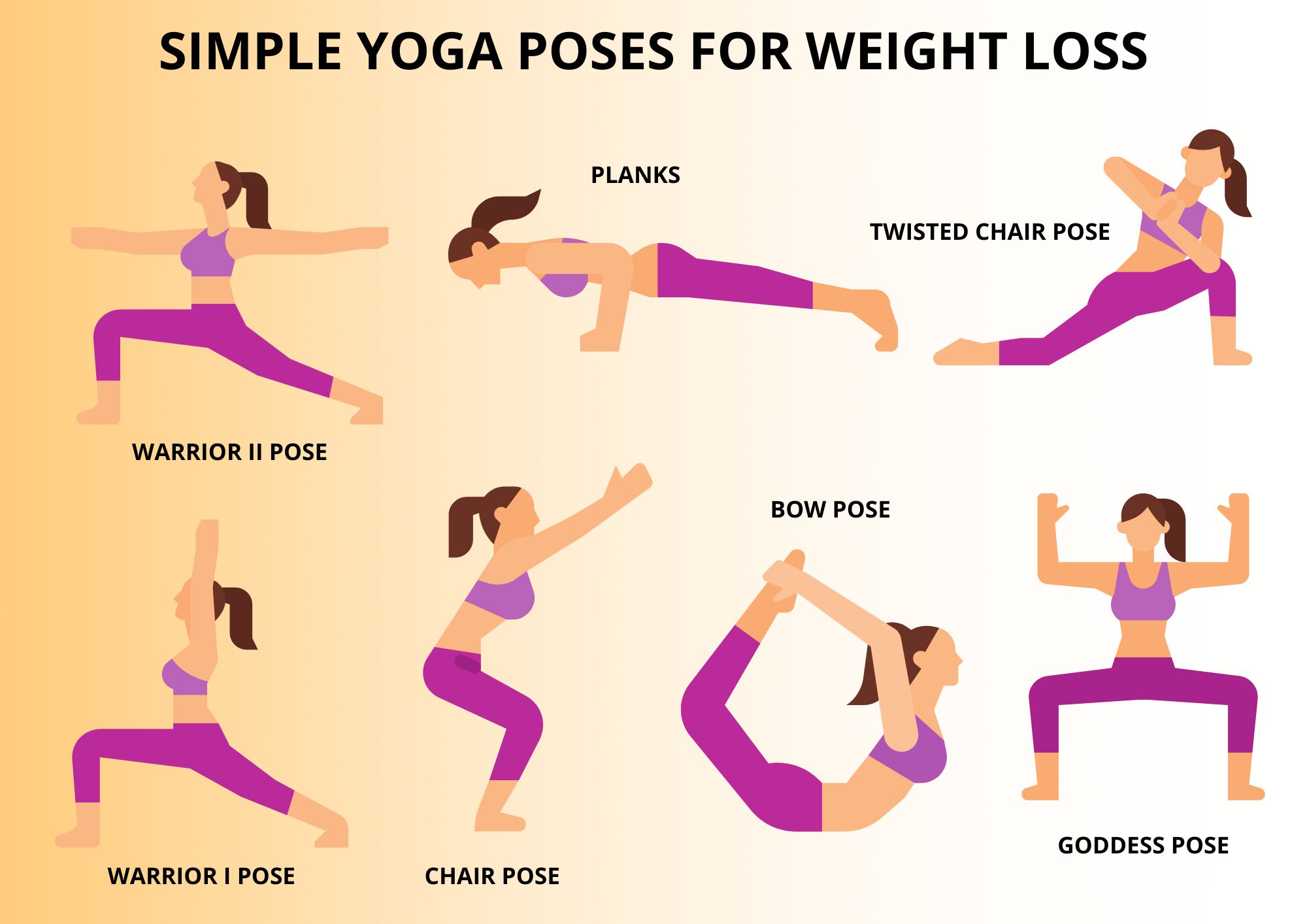
Yoga builds strength by using your own body weight in poses like plank and warrior. These postures challenge muscles, improving endurance and power over time.
Flexibility improves as you stretch muscles and joints regularly. I noticed my range of motion increased significantly after just a few weeks, making daily movements easier.
Have you ever felt tightness that limits your workout? Yoga can help ease that, reducing injury risk and enhancing performance.
Cardiovascular Impact
Yoga generally offers mild to moderate cardiovascular benefits, especially styles like Vinyasa or power yoga that keep you moving continuously.
However, it may not raise your heart rate as much as running or cycling. If heart health is your main goal, consider combining yoga with aerobic exercises.
Do you monitor your heart rate during workouts? Yoga can complement cardio routines but might not replace them entirely for improving endurance.
Balance And Coordination
Yoga enhances balance through poses that require stability and focus, such as tree pose or eagle pose. This helps prevent falls and improves body awareness.
Coordination improves as you learn to control breathing and movement simultaneously. This skill transfers well to other sports and daily tasks.
Have you noticed better control in your movements after practicing yoga? These subtle improvements can make a big difference in your overall fitness.

Credit: infinityyouyoga.co.uk
Mental Health Advantages
Yoga offers more than just physical benefits; its impact on mental health is profound and often overlooked. By focusing on breath control, mindfulness, and gentle movement, yoga creates a calming effect on your mind. This section highlights some key mental health advantages that yoga can bring to your fitness routine.
Stress Reduction
Yoga helps lower stress by encouraging deep breathing and relaxation. When you practice yoga, your body releases tension, which can reduce the production of stress hormones like cortisol. Have you noticed how even a short session can leave you feeling calmer and more grounded?
Regular yoga practice can make it easier to handle daily challenges without feeling overwhelmed. You learn to pause and breathe through stressful moments rather than react impulsively. This skill can improve your overall resilience and mental clarity.
Improved Focus
Yoga demands your full attention, which trains your brain to stay present. By focusing on each pose and breath, you strengthen your ability to concentrate in other areas of life. Do you find it harder to stay focused during work or studies? Yoga might help sharpen your mind.
Even brief periods of mindful movement can boost your cognitive function. This mental clarity often carries over, making tasks feel less daunting and improving productivity. The practice naturally encourages you to quiet distracting thoughts and be fully in the moment.
Emotional Well-being
Yoga creates a space for emotional release and self-awareness. It can help you identify feelings without judgment, giving you better control over your emotional responses. Have you ever walked away from a session feeling lighter and more emotionally balanced?
Consistent practice supports a positive mood by increasing the production of neurotransmitters like serotonin. This can reduce symptoms of anxiety and depression. Yoga encourages self-compassion, helping you treat yourself with kindness during tough times.
Comparing Yoga With Other Workouts
Yoga offers a unique approach to fitness, blending flexibility, balance, and mindfulness. But is it enough on its own to meet all your fitness needs? Comparing yoga with other workouts can help you understand what it provides and what might be missing from your routine.
Yoga Vs. Cardio Exercises
Cardio workouts like running, cycling, or swimming primarily boost your heart health and stamina. Yoga, while gentle on the heart, focuses more on controlled breathing and muscle endurance rather than sustained cardiovascular effort.
If you’re aiming to improve your heart health or burn calories quickly, relying solely on yoga might leave you wanting more. However, yoga can complement cardio by aiding recovery and reducing injury risks through better flexibility.
Yoga Vs. Strength Training
Strength training builds muscle mass and increases metabolic rate through resistance exercises like weightlifting or bodyweight moves. Yoga uses body weight and poses to engage muscles but usually lacks the intensity needed for significant muscle growth.
Many people find yoga excellent for muscle endurance and toning, but if your goal is to increase strength or bulk up, you may need to add targeted strength workouts. Have you noticed your muscle strength plateauing with yoga alone?
Complementing Yoga With Other Activities
Combining yoga with cardio and strength training can create a balanced fitness plan. This mix improves flexibility, heart health, and muscle strength.
- Try adding 2-3 cardio sessions weekly for stamina.
- Include strength exercises 2 times a week to build muscle.
- Use yoga sessions for recovery, flexibility, and mental focus.
What activities do you enjoy that could balance your yoga practice? Finding the right combination keeps your routine fresh and your body challenged.

Credit: www.instagram.com
Limitations Of Yoga For Fitness
Yoga offers incredible benefits for flexibility, mental calm, and body awareness. However, it does have some limits when it comes to overall fitness goals. Understanding these can help you decide if yoga alone meets your needs or if you should add other activities.
Calorie Burn Considerations
Yoga generally burns fewer calories compared to aerobic exercises like running or cycling. If weight loss or calorie control is your primary goal, yoga might not be enough by itself.
Even intense yoga styles like Vinyasa or Power Yoga typically burn fewer calories per hour than high-impact workouts. Are you tracking your calorie needs and activity levels to ensure you reach your goals?
Intensity Levels
Yoga often focuses on slow, controlled movements and deep breathing, which promote relaxation and balance. But if you want to raise your heart rate significantly, yoga might fall short.
You can challenge yourself with advanced poses, but sustained high-intensity effort is rare. Do you feel your current routine pushes your endurance and cardiovascular health enough?
Muscle Building Constraints
Yoga builds strength through bodyweight poses, but it usually targets endurance rather than muscle size or maximum strength. This means gains in muscle mass can be limited.
For significant muscle growth, you often need resistance training with weights or resistance bands. If your fitness plan includes muscle building, how can you complement yoga to meet that need?
Tailoring Yoga For Fitness Goals
Yoga can be more than just a calming practice. You can shape it to meet your fitness goals by focusing on specific styles and techniques. Tailoring your yoga routine helps you build strength, improve endurance, and increase flexibility in a way that suits your personal needs.
Power Yoga And Vinyasa Flow
If you want to boost your fitness, Power Yoga and Vinyasa Flow are great options. These styles move faster and challenge your muscles more than traditional yoga. You’ll find yourself holding poses longer and transitioning quickly, which helps build strength and stamina.
Think about how your heart rate rises during these sessions. That’s your body working hard, turning yoga into a cardio workout. Have you tried adding these styles to your routine to see how your energy levels respond?
Incorporating Props And Resistance
Adding props like blocks, straps, or resistance bands can make your yoga practice more effective for strength-building. They help you maintain proper alignment and add extra challenge to your poses. This approach pushes your muscles in new ways without needing heavy weights.
Using a resistance band during poses such as Warrior II can engage your arms and shoulders more deeply. Props help you stay safe while increasing intensity. What small changes could you make today to add resistance to your yoga sessions?
Combining Yoga With Cross-training
Yoga alone might not cover all your fitness needs, especially if you want to improve speed, power, or explosive strength. Pairing yoga with activities like running, weightlifting, or swimming creates a balanced fitness plan. Yoga enhances flexibility and recovery, which supports your other workouts.
Have you noticed how yoga helps reduce muscle soreness after a tough gym session? It prepares your body for higher performance. How could mixing yoga with other exercises improve your overall results?
Practical Tips For Maximizing Yoga Benefits
Maximizing the benefits of yoga requires more than just doing poses. It involves a mindful approach that blends discipline and awareness. Small changes in how you practice can lead to big improvements in strength, flexibility, and mental clarity.
Focus on building habits that support growth. Pay close attention to how your body feels. Seek help when needed to refine your practice safely and effectively.
Consistency And Routine
Practice yoga regularly to see steady progress. Aim for short sessions daily rather than long ones once in a while. Set a specific time and place for your practice. This builds a habit and makes yoga part of your life. Even five to ten minutes each day can improve your fitness and mood.
Listening To Your Body
Notice how your body reacts during and after yoga. Avoid pushing yourself too hard, which can cause injury. Respect your limits and modify poses to suit your needs. Rest when you feel tired or sore. Yoga is about balance, not competition. Gentle adjustments can help you progress safely.
Seeking Professional Guidance
Learn from qualified yoga instructors to enhance your technique. They can correct your form and suggest suitable poses. Professional guidance reduces the risk of injury and improves results. Join classes or watch expert videos to deepen your understanding. Feedback helps you grow and stay motivated.
Credit: myyogateacher.com
Frequently Asked Questions
Is Yoga Alone Enough For Overall Fitness?
Yoga improves flexibility, strength, and mental health. However, it lacks intense cardio and strength training for full fitness. Combining yoga with other exercises offers balanced health benefits.
How Does Yoga Compare To Other Workouts?
Yoga enhances balance, flexibility, and stress relief. Unlike high-intensity workouts, it focuses on mindfulness and recovery. For optimal fitness, include cardio and strength exercises alongside yoga.
Can Yoga Help With Weight Loss?
Yoga supports weight loss by reducing stress and improving metabolism. However, it burns fewer calories than aerobic exercises. Combining yoga with cardio accelerates fat loss effectively.
What Fitness Aspects Does Yoga Improve Most?
Yoga primarily boosts flexibility, balance, and muscle tone. It also aids mental clarity and relaxation. For cardiovascular fitness, complement yoga with aerobic workouts.
Conclusion
Yoga offers many health benefits and improves flexibility and balance. It helps reduce stress and boosts mental focus. Yet, for full fitness, adding strength and cardio exercises works well. Mixing activities keeps your body strong and your heart healthy. Choose what feels good and fits your lifestyle.
Staying active in different ways supports overall health. Yoga can be a great part of your fitness plan. Keep moving, stay consistent, and enjoy the journey.