Is the Triathlon an Olympic Sport: Ultimate Guide to Its Status
Have you ever wondered if the triathlon is part of the Olympic Games? If you’re curious about this exciting sport that combines swimming, cycling, and running, you’re in the right place.
Knowing whether triathlon is an Olympic event can change how you watch the Games and inspire your own fitness goals. Keep reading to discover the answer and learn why this sport captures the hearts of athletes and fans around the world.
Your next favorite Olympic event might just be the triathlon.
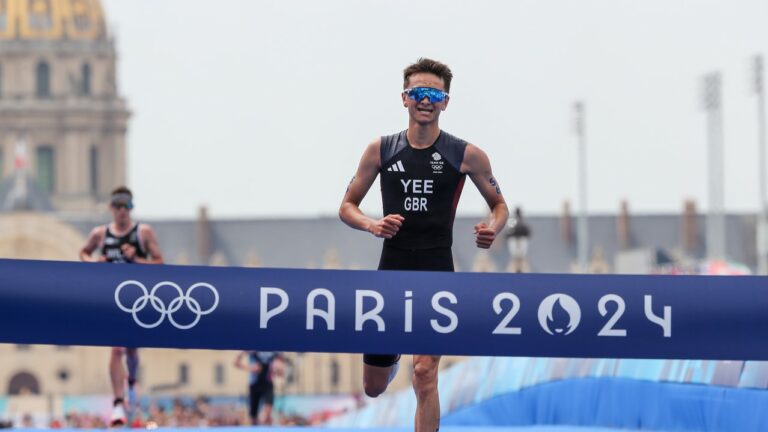
Credit: www.tri247.com
Olympic Triathlon History
The Olympic Triathlon has a fascinating history that reflects the sport’s growth and global appeal. Understanding where it started and how it became part of the Olympic Games gives you a deeper appreciation of the sport. Whether you’re an athlete or a fan, this history highlights the challenges and triumphs that shaped triathlon into an Olympic event.
Origins Of Triathlon
The triathlon began as a grassroots event in the 1970s, mixing swimming, cycling, and running into one continuous race. It emerged as a way for athletes to push their limits across multiple disciplines. The first modern triathlon took place in San Diego in 1974, where only a handful of competitors participated.
What makes triathlon unique is how it tests endurance, speed, and strategy all at once. Over the years, the sport gained popularity, spreading from local events to international competitions. This growth set the stage for triathlon to catch the attention of the Olympic community.
Triathlon’s Olympic Debut
Triathlon made its Olympic debut at the Sydney Games in 2000. This marked a huge milestone, officially recognizing triathlon as a premier sport on the world stage. The Olympic race combined a 1.5 km swim, 40 km bike ride, and 10 km run, a format that remains standard today.
Since then, triathlon has continued to evolve in the Olympics, drawing athletes from all corners of the globe. The event challenges you to master transitions and maintain focus under pressure. Have you ever thought about what it takes to switch gears so quickly between swimming, cycling, and running at this level?
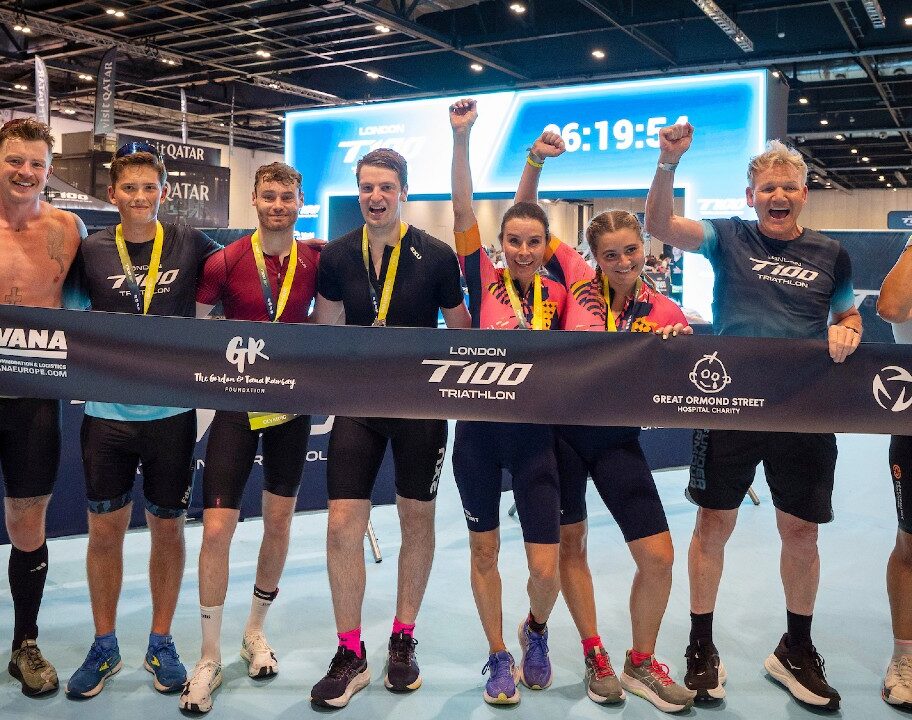
Credit: www.tri247.com
Triathlon Format In The Olympics
The triathlon at the Olympics is designed to test an athlete’s endurance, speed, and strategy across three different sports. It’s not just about swimming, cycling, and running; the format challenges how well you can transition between these disciplines under pressure. Understanding the Olympic triathlon format helps you appreciate the sport’s unique demands and why it attracts such a diverse group of athletes.
Race Distance And Events
The Olympic triathlon follows a standardized distance often called the “standard” or “Olympic” distance. It includes:
- Swimming:1.5 kilometers (about 0.93 miles)
- Cycling:40 kilometers (about 24.85 miles)
- Running:10 kilometers (about 6.2 miles)
This format pushes athletes to balance speed and stamina. The swim usually takes place in open water, adding an extra layer of challenge. Have you ever wondered how athletes manage to maintain focus while switching from water to bike so quickly?
Team And Individual Competitions
The Olympic triathlon features both individual and team events. The individual race is a pure test of personal endurance and strategy. Each athlete competes against others to cross the finish line first after completing all three legs.
In contrast, the mixed relay event adds a team dimension to the sport. Teams consist of two men and two women, each completing a short triathlon before tagging the next teammate. This fast-paced relay encourages teamwork and quick recovery, offering a thrilling twist to the traditional format.
Which format do you find more exciting—the solo battle against time or the team relay’s dynamic pace? Both demand different mental and physical approaches, making Olympic triathlon a versatile and captivating sport to watch and participate in.
Key Figures And Moments
Triathlon’s rise as an Olympic sport brought many heroes and unforgettable moments. These key figures and events shaped the sport’s history. They inspire new athletes and fans worldwide. Their stories show the challenge and excitement of triathlon competition.
Notable Athletes
- Simon Whitfield (Canada) – First Olympic triathlon gold medalist in 2000.
- Paula Newby-Fraser (Zimbabwe) – Known as the “Queen of Ironman” for multiple wins.
- Alistair Brownlee (UK) – Two-time Olympic gold medalist in 2012 and 2016.
- Gwen Jorgensen (USA) – First American woman to win Olympic triathlon gold in 2016.
- Jan Frodeno (Germany) – Olympic gold in 2008 and multiple Ironman titles.
Memorable Races
- 2000 Sydney Olympics – The debut of triathlon in the Olympic Games.
- 2012 London Olympics – Alistair Brownlee’s dramatic sprint finish for gold.
- 2016 Rio Olympics – Gwen Jorgensen’s dominant performance for the USA’s first gold.
- Ironman World Championship – Known for its grueling course and heroic finishes.
- Mixed Relay Debut in Tokyo 2020 – Introduced teamwork and fast-paced excitement.
Credit: www.olympics.com
Qualifying For Olympic Triathlon
Qualifying for the Olympic triathlon is a challenging journey. Athletes must meet strict standards to compete at this elite level. The process tests their skill, endurance, and consistency over time. Understanding the qualification process helps clarify what it takes to become an Olympic triathlete.
Qualification Criteria
Athletes earn points by competing in international triathlon events. The International Triathlon Union (ITU) sets the rules and standards. Key criteria include:
- Ranking high in ITU World Triathlon Series events
- Performing well at continental championships
- Meeting time standards in swimming, cycling, and running
- Representing their country in qualifying races
Only athletes with enough points and strong performances qualify for the Olympics.
Selection Process
National Olympic Committees (NOCs) select athletes based on their ranking and potential. Each country has a limited number of spots. The selection involves:
- Reviewing athletes’ international rankings
- Considering recent race results
- Evaluating consistency and fitness level
- Following ITU and IOC guidelines
The process ensures the best triathletes represent their countries at the Games.
Challenges And Controversies
The triathlon as an Olympic sport faces its share of challenges and controversies, which affect athletes, organizers, and fans alike. These issues often spark debates about the sport’s future and how it adapts to meet modern demands. Understanding these challenges helps you appreciate the complexities behind the scenes of this demanding event.
Debates Over Race Formats
The traditional Olympic triathlon format includes a 1.5 km swim, 40 km bike ride, and 10 km run. Some argue this distance favors athletes with specific strengths, leaving others at a disadvantage. Should the Olympic triathlon adopt multiple formats to level the playing field?
Shorter sprint triathlons and longer Ironman distances both have passionate followings. Athletes sometimes voice concerns that sticking to one format limits diversity in competition. Your perspective on what makes triathlon exciting could influence this ongoing debate.
Environmental And Logistical Issues
Hosting a triathlon requires access to open water, safe cycling routes, and suitable running paths. These needs often clash with urban development or environmental preservation efforts. Have you ever considered how challenging it is to find a location that meets all these criteria without harming nature?
Weather conditions can also disrupt race plans, forcing last-minute changes that affect performance and fairness. Organizers must balance athlete safety with maintaining a competitive event. How would you handle the pressure of adapting quickly to such unpredictable factors?
Future Of Triathlon In The Olympics
The future of triathlon in the Olympics looks promising. The sport continues to evolve and gain popularity worldwide. Organizers aim to keep it exciting and accessible for all athletes. Changes may shape how triathlon events appear in coming Olympic Games. Growth in participation and fan base also supports its Olympic presence.
Potential Changes
New formats may be introduced to attract more viewers. Shorter races or mixed relay events could become standard. These changes make the sport faster and more dynamic. Rule adjustments might improve fairness and safety. Technology advances could also influence equipment and timing methods.
Growth And Development
More countries invest in triathlon training programs. Youth participation is increasing across the globe. This growth helps discover new talent for future Olympics. Media coverage expands, bringing triathlon to wider audiences. Sponsorship deals improve funding and support for athletes. All these factors strengthen triathlon’s role in the Olympic program.
Frequently Asked Questions
Is Triathlon Included In The Olympic Games?
Yes, triathlon has been an Olympic sport since the Sydney 2000 Games. It features swimming, cycling, and running segments.
How Long Is An Olympic Triathlon Race?
The Olympic triathlon distance includes a 1. 5 km swim, 40 km bike ride, and 10 km run. This format tests endurance and speed.
Who Governs The Olympic Triathlon Events?
The International Triathlon Union (ITU), now World Triathlon, oversees Olympic triathlon rules and organization worldwide.
Are There Separate Triathlon Events For Men And Women?
Yes, Olympic triathlon has individual events for both men and women, promoting gender equality in the sport.
Conclusion
Triathlon stands as a true Olympic sport today. Athletes swim, bike, and run in one race. This sport tests strength, speed, and endurance. It offers exciting moments for fans worldwide. Olympic inclusion shows triathlon’s growing popularity and respect. Many countries now train athletes for this challenge.
Watching triathlon at the Olympics inspires new participants. The sport blends discipline with thrilling action. Triathlon’s place in the Olympics is well earned. It continues to attract diverse and passionate competitors. A sport to watch closely in future Games.