Is Creatine Allowed in Sports: Myths, Facts & Rules Explained
Are you curious whether creatine is allowed in sports? If you want to boost your performance but worry about the rules, this question is crucial for you.
Understanding what’s permitted can protect your career and help you train smarter. Keep reading to discover the truth about creatine, how it affects your body, and what sports organizations say about it. This knowledge will empower you to make the best choices for your athletic goals.
Creatine And Athletic Performance
Creatine is a popular supplement among athletes. It supports energy production in muscle cells. Many athletes use creatine to improve their performance in sports. Understanding how creatine affects athletic ability helps decide if it fits your training.
Effects On Muscle Growth
Creatine helps muscles store more energy. This extra energy allows muscles to work harder during short bursts of exercise. Weightlifters and sprinters often notice bigger gains in muscle size. Creatine also helps muscles recover faster after intense workouts. Regular use can lead to increased muscle mass over time.
Impact On Endurance
Creatine mainly boosts short, intense efforts rather than long endurance activities. It helps in sports that require quick, powerful movements. Endurance athletes may see less benefit from creatine. However, it can help reduce fatigue during repeated sprints or bursts of speed. This can slightly improve overall endurance performance in some cases.
Credit: www.morninghoney.com
Common Myths About Creatine
Creatine is a popular supplement in sports. Many athletes use it to improve strength and energy. Despite its popularity, many myths surround creatine. These myths create confusion about its safety and legality. Clearing these myths helps athletes make better choices.
Creatine As A Steroid
Some people think creatine is a steroid. This is not true. Creatine is a natural compound found in muscles. Steroids are synthetic hormones that change your body chemistry. Creatine helps muscles produce energy. It does not affect hormone levels.
Using creatine will not cause steroid-like effects. It does not increase aggression or cause illegal doping. Sports authorities allow creatine because it is safe and natural.
Dehydration And Kidney Damage
Another common myth is creatine causes dehydration. Creatine draws water into muscle cells, which can change water balance slightly. But research shows it does not cause serious dehydration.
Many worry creatine harms kidneys. Studies on healthy people show no kidney damage from creatine use. Problems may arise only if a person has pre-existing kidney disease.
Drinking enough water while using creatine is important. Staying hydrated supports kidney health and overall performance.
Scientific Facts About Creatine
Creatine is a popular supplement among athletes and fitness lovers. Its reputation comes from solid scientific facts. Understanding these facts helps clarify its role in sports and fitness.
Natural Occurrence In The Body
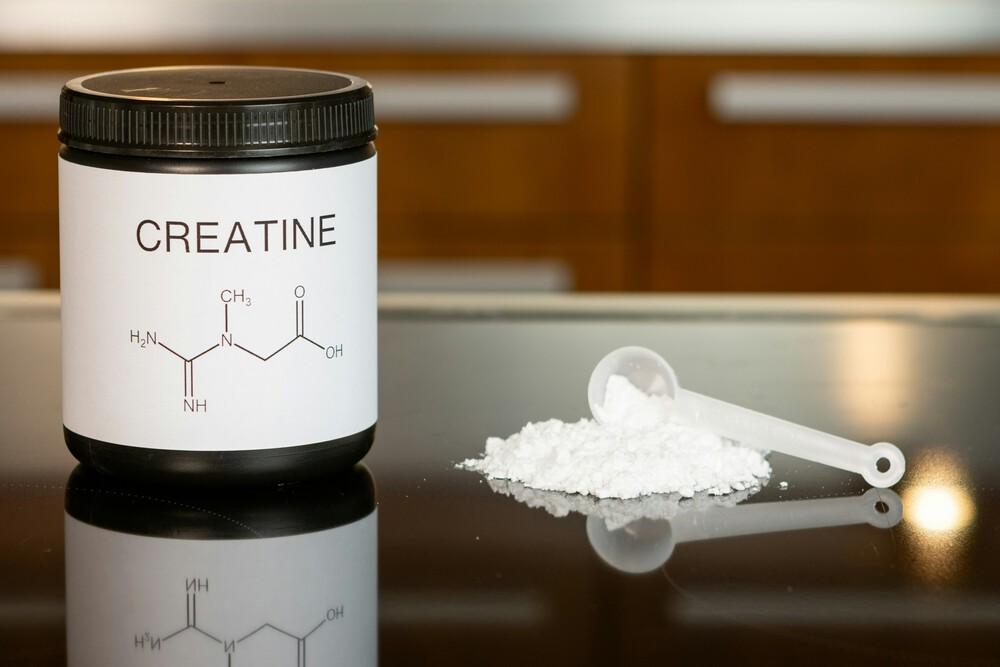
Creatine is naturally found in the human body. It mainly exists in muscles, where it helps produce energy. The body makes creatine from amino acids like arginine, glycine, and methionine. People also get creatine from foods such as meat and fish.
This natural presence shows creatine is not foreign or harmful when taken correctly. It supports energy production during short, intense activities like sprinting or weightlifting.
Research On Safety And Efficacy
Many studies prove creatine is safe for healthy adults. Research shows it does not cause serious side effects when used properly. Creatine helps improve strength, power, and muscle mass in athletes.
Scientific trials confirm creatine’s benefits in sports performance. It speeds up recovery after intense exercise. Long-term studies show no harm to kidneys or liver in healthy users.
Experts recommend following dosage guidelines. Most research supports taking 3-5 grams daily as safe and effective.
Regulations And Guidelines
Understanding the regulations and guidelines around creatine is crucial if you’re an athlete or sports enthusiast considering its use. These rules ensure fair play and protect your health, but they can be confusing. Let’s clarify what major sports organizations say and the legal status of creatine in competitive sports.
Sports Organizations’ Stance
Most leading sports organizations do not ban creatine. The International Olympic Committee (IOC) and the World Anti-Doping Agency (WADA) classify it as a legal supplement. They recognize creatine’s benefits but emphasize responsible use and quality control.
However, some organizations keep a close watch on supplements in general due to contamination risks. This means you should always check if your creatine product is certified and free from banned substances. Have you ever thought about how your supplement choices might affect your eligibility in competitions?
Legal Status In Competitive Sports
Creatine is legal in almost all competitive sports worldwide. It is not listed as a prohibited substance by WADA, which many sports bodies follow strictly. This allows athletes to use creatine without fear of sanctions.
Despite its legality, some sports leagues have their own rules about supplement use. For example, certain collegiate sports in the United States encourage athletes to consult with team doctors before starting any supplement. This helps avoid accidental doping violations and promotes athlete safety.
Are you aware of your sport’s specific guidelines about supplements? Staying informed can protect you from unexpected disqualifications or health issues.
Ethical Considerations
Ethical considerations around creatine use in sports revolve around questions of fairness and the message it sends to athletes, especially the young ones. While creatine is legal and widely accepted, its impact on the spirit of competition and athlete development deserves attention. You might wonder how using a supplement like creatine affects the true essence of sportsmanship.
Fairness In Competition
Creatine is allowed in most sports, but does it create an uneven playing field? Some argue it gives users an advantage in strength and recovery, which could tilt competition.
Yet, creatine is naturally found in foods like meat and fish, and your body produces it too. This blurs the line between natural ability and supplementation. Should athletes who don’t use creatine be considered at a disadvantage, or is it just another part of modern training?
Think about how training methods and technology have always evolved. Is creatine just another tool, or does it cross ethical boundaries?
Influence On Young Athletes
Young athletes often look up to professionals and might feel pressure to use creatine to keep up. This raises concerns about early supplement use without fully understanding potential risks.
Parents and coaches have a big role in guiding them. Encouraging healthy habits and focusing on skill development over quick gains can help maintain balance.
Ask yourself: Are we setting the right example by normalizing creatine use at a young age, or should there be stricter guidance to protect future generations?

Credit: www.sportsmedreview.com
Future Perspectives
The future of creatine in sports is shaping up to be quite interesting. As research continues and attitudes evolve, what’s allowed and accepted may shift in ways that benefit athletes like you. Understanding these future trends can help you make smarter choices about supplementation and performance.
Advancements In Supplementation
Creatine supplements are becoming more refined and targeted. Scientists are working on new forms that absorb faster and reduce common side effects such as bloating. You might soon find creatine blends designed specifically for endurance sports or recovery.
Imagine a creatine supplement that works better with your body’s natural rhythms. This could mean improved muscle energy without the need for large doses. How would that change your training routine or recovery process?
Changing Attitudes In Sports
More sports organizations are re-evaluating creatine’s status. As evidence mounts showing its safety and effectiveness, some leagues are considering loosening restrictions. This could open doors for more athletes to benefit without fear of penalties.
At the same time, conversations around fairness and health are becoming more open. You might see educational programs helping athletes understand how to use supplements responsibly. Would clearer guidelines make you feel more confident about adding creatine to your regimen?

Credit: www.livemomentous.com
Frequently Asked Questions
Is Creatine Legal In Professional Sports?
Yes, creatine is legal in most professional sports. It is not listed as a banned substance by WADA or major sports organizations. Athletes use it to improve strength and performance safely within rules.
Can Creatine Improve Athletic Performance?
Creatine helps increase muscle energy, boosting strength and power. It enhances short bursts of high-intensity exercise, making it popular among athletes for better performance and recovery.
Are There Any Side Effects Of Creatine Use?
Creatine is generally safe when used correctly. Some may experience minor issues like stomach discomfort or water retention. Proper hydration and dosage reduce side effects.
Does Creatine Affect Doping Tests?
Creatine does not cause positive doping tests. It is a natural compound found in the body and does not contain banned substances.
Conclusion
Creatine is allowed in most sports by official rules. Athletes use it to improve strength and performance safely. It is legal and tested by many sports organizations. Always check your sport’s specific guidelines before using creatine. Use it wisely and follow recommended doses.
Stay informed to keep your sports career fair and clean. This helps you compete with confidence and respect.