Is Cheerleading Sport: Unveiling the Truth Behind the Hype
Have you ever wondered if cheerleading is truly a sport? You might see it as just cheering at games, but there’s much more happening behind the scenes.
Your curiosity about the skills, effort, and competition involved is about to be answered. By the end of this article, you’ll see cheerleading from a whole new perspective—and understand why it deserves your respect. Keep reading to discover the truth about cheerleading and what makes it a sport in its own right.
Cheerleading Origins
Cheerleading has a rich history that many people overlook when debating if it’s truly a sport. Understanding where cheerleading began helps you see how it evolved into the competitive and athletic activity it is today. Let’s dive into its origins and discover how cheerleading took shape.
Historical Beginnings
Cheerleading started in the late 19th century, primarily at American colleges. The first recorded cheerleader was a man named Johnny Campbell, who led a crowd chant at a Princeton football game in 1898. At that time, cheerleading was about rallying fans, not the athletic routines you see now.
Initially, cheerleading was a male-dominated activity. Women began joining in the 1920s, which helped shape the dynamic routines that included dance and gymnastics. This shift marked the beginning of cheerleading as a more organized and spirited form of crowd support.
Evolution Over Time
Cheerleading quickly grew beyond simple chants. By the mid-20th century, it incorporated stunts, tumbling, and coordinated dance moves. These changes made cheerleading more physically demanding and performance-based.
Today, competitive cheerleading involves rigorous training similar to other sports. You might find cheerleaders practicing jumps, lifts, and flips that require strength, agility, and teamwork. Have you ever considered how much skill and practice these routines demand?
Understanding cheerleading’s origins helps you appreciate its growth into a serious athletic discipline. It’s not just about cheering anymore; it’s about precision, power, and performance.
Cheerleading As A Sport
Cheerleading demands more than just enthusiasm and loud cheers. It requires skill, strength, and intense training that many often overlook. Seeing cheerleading as a sport means recognizing the dedication and physical effort behind every routine.
Physical Demands
Cheerleaders train their bodies rigorously. They need strong core muscles to maintain balance during lifts and stunts.
Flexibility is crucial for high kicks and jumps, while endurance helps them perform energetic routines without losing steam.
Think about the hours spent practicing tumbling passes or holding a flyer in the air. That’s serious physical work.
Competitive Nature
Cheerleading isn’t just about supporting other sports; it has its own competitive scene.
Teams compete at local, national, and international levels, judged on precision, creativity, and difficulty.
Have you ever watched a cheer competition? The pressure to perform flawlessly and innovate routines is intense.
This competitive edge pushes athletes to improve constantly, just like any other sport.
Skills And Techniques
Cheerleading demands a unique blend of skills and techniques that challenge both the body and mind. To truly understand whether cheerleading qualifies as a sport, you need to look closely at the physical abilities it requires. These skills push athletes to develop strength, flexibility, coordination, and rhythm.
Gymnastics And Dance Elements
Gymnastics and dance form the foundation of many cheerleading routines. Athletes must master jumps, splits, and precise dance steps that require flexibility and timing. Have you ever tried holding a split while keeping perfect balance? That’s just a glimpse of the control cheerleaders build.
Dance also demands rhythm and expression. Your ability to sync movements with music and teammates can make or break a performance. It’s not just about looking good—it’s about moving as one unit, showing both artistry and athleticism.
Stunts And Tumbling
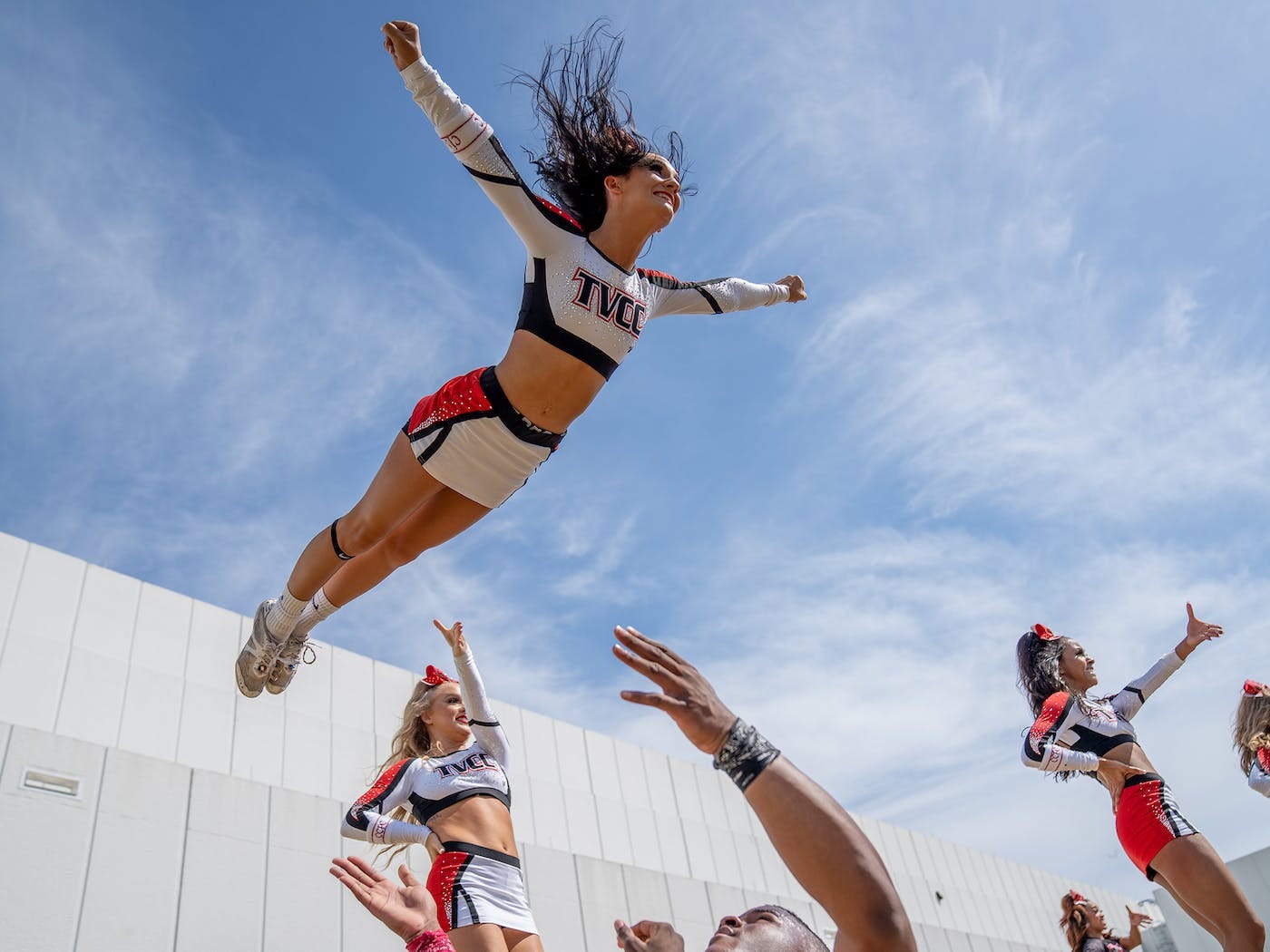
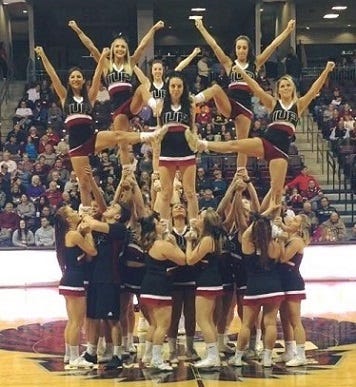
Stunts and tumbling are where strength and trust come into play. Building a human pyramid or launching a flyer into the air takes explosive power and precise timing. You need to know exactly when to lift, catch, or flip safely, which requires intense practice and focus.
Tumbling adds another layer of difficulty, involving flips, handsprings, and twists that demand agility and courage. Think about the split-second decisions your body makes during a back handspring—that kind of skill isn’t just physical, it’s mental too. Can you imagine the level of coordination and bravery needed to pull off these moves under pressure?
Credit: medium.com
Safety Concerns
Safety is a major concern in cheerleading. The sport involves stunts, lifts, and tumbling. These moves can lead to accidents if not done correctly. Awareness about safety can help reduce injuries. Coaches, athletes, and event organizers focus on making cheerleading safer.
Injury Risks
Cheerleading has a high risk of injuries. Common injuries include sprains, fractures, and concussions. Most injuries happen during stunts and pyramids. Falls from height can cause serious harm. Overuse injuries also occur from repeated motions. Beginners are more prone to accidents. Proper training lowers these risks.
Safety Regulations
Rules help keep cheerleaders safe during practices and competitions. Organizations set guidelines for stunts and routines. Coaches must follow these rules strictly. Spotters are required for dangerous moves. Protective gear is encouraged, especially for tumbling. Training programs include safety education. Regular checks ensure compliance with standards.
Recognition And Legitimacy
Recognition and legitimacy play a key role in defining cheerleading as a sport. The journey toward official acceptance involves many factors. These include rules, competitions, and governing bodies. Public opinion also influences how cheerleading is viewed worldwide.
Official Status
Cheerleading has gained official status in many countries. National and international organizations set rules for safety and competition. Some governments recognize cheerleading as an official sport. Schools and colleges offer cheerleading as a competitive activity. This status helps cheerleaders access funding and resources.
Major sports bodies like the International Olympic Committee have considered cheerleading. Efforts continue to include it in global events. These moves increase cheerleading’s visibility and credibility. Formal recognition also means stricter safety standards and better training.
Public Perception
Public views of cheerleading vary widely. Some see it as a serious athletic activity. Others think of it mainly as entertainment or a sideline show. Media often highlights stunts and dance routines, shaping opinions.
Awareness about cheerleading’s physical demands is growing. This includes strength, coordination, and teamwork. More people now appreciate the skill and effort involved. Changing perceptions help cheerleading gain respect as a sport.
Credit: medium.com
Cultural Impact
Cheerleading shapes culture beyond the sports field. It reflects and influences social ideas about teamwork, gender roles, and fitness. Its cultural impact reaches many parts of society, changing how people see athletes and sports.
Media Representation
Television shows and movies often show cheerleading as fun and exciting. These portrayals highlight energy and skill but can miss the sport’s intensity. Media sometimes focus on appearance more than athletic ability. This affects public views, shaping ideas about what cheerleaders are like. Positive media can raise respect for cheerleading as a serious sport.
Influence On Youth
Many young people start cheerleading to build confidence and make friends. It teaches discipline, teamwork, and leadership skills. Cheerleading also promotes physical fitness and coordination. The sport offers a sense of belonging and pride for youth. It encourages girls and boys to stay active and work hard.
Future Of Cheerleading
The future of cheerleading looks bright and full of opportunities. This activity has evolved beyond just sideline support. It is gaining respect as a demanding and skilled sport. The path ahead shows growth and exciting changes for cheerleaders worldwide.
Growing Popularity
Cheerleading is attracting more participants every year. Schools and colleges are adding cheer programs. Competitions are becoming larger and more frequent. Media coverage is helping cheerleading reach wider audiences. This growth is pushing cheerleading into the spotlight as a serious sport.
More people recognize the athletic skills required. Strength, flexibility, and teamwork are key parts. The rise in female and male cheerleaders shows its inclusive nature. Youth programs also introduce cheerleading at younger ages, building strong foundations.
Potential Changes
Cheerleading rules and formats may soon evolve. Safety measures could improve to protect athletes better. New techniques and routines might emerge, showing creativity and skill. More countries could join international cheer competitions.
Schools may increase funding and support for cheer teams. Professional cheerleading leagues might develop further. Technology could play a role in training and judging. These changes aim to boost cheerleading’s credibility and appeal.

Credit: www.highschoolot.com
Frequently Asked Questions
Is Cheerleading Officially Recognized As A Sport?
Yes, many organizations and schools recognize cheerleading as a sport. It involves physical skill, teamwork, and competition.
What Skills Are Required For Cheerleading?
Cheerleading requires strength, flexibility, coordination, and stamina. It also demands excellent teamwork and communication skills.
How Does Cheerleading Differ From Traditional Sports?
Cheerleading combines athleticism, dance, and gymnastics. It focuses on performance and competition, unlike some traditional team sports.
Are Cheerleading Competitions Judged Like Sports?
Yes, cheerleading competitions are scored based on difficulty, execution, and creativity, similar to gymnastics or dance contests.
Conclusion
Cheerleading demands skill, strength, and teamwork every day. It challenges athletes physically and mentally. Competitions prove it requires training like any other sport. Many organizations recognize cheerleading as a legitimate sport now. It builds discipline and confidence in participants too.
The debate continues, but facts clearly support it. Cheerleading deserves respect alongside traditional sports. It shapes character and promotes fitness. So, yes, cheerleading truly is a sport.