Is Beach Volleyball an Olympic Sport: Discover Its Thrilling Legacy
Have you ever wondered if beach volleyball is part of the Olympic Games? Maybe you’ve caught yourself cheering for those powerful spikes and quick moves on the sand and asked, “Is this really an Olympic sport?” You’re not alone.
Understanding whether beach volleyball holds a spot on the world’s biggest athletic stage can change how you watch the game—and how much excitement you feel when those players hit the court. Keep reading, and you’ll discover the surprising truth behind beach volleyball’s Olympic status and what makes it such a thrilling sport to follow.

Credit: sports.yahoo.com
Beach Volleyball’s Olympic Journey
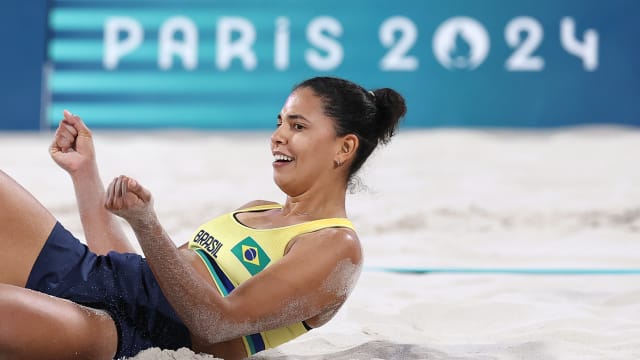
Beach volleyball has become one of the most exciting sports at the Olympics. Its journey to the Olympic stage shows how the sport grew in popularity worldwide. From simple beach games to a major international competition, beach volleyball earned its place among elite Olympic sports.
Early Beginnings
Beach volleyball started as a casual beach activity in the early 20th century. People played it mainly for fun along the coasts of California and Hawaii. Over the decades, the sport gained more structure and formal rules.
In the 1920s and 1930s, small tournaments began to appear. These events helped increase the sport’s visibility. By the 1970s, beach volleyball had a dedicated following and organized competitions.
Official Inclusion
The International Volleyball Federation (FIVB) pushed to make beach volleyball an Olympic sport. Their efforts paid off when it debuted as a demonstration sport in the 1992 Barcelona Olympics. This was a key moment that showed the sport’s global appeal.
Beach volleyball became an official Olympic sport at the 1996 Atlanta Games. Both men’s and women’s competitions were included. Since then, it has grown in popularity, attracting millions of fans worldwide.

Credit: www.olympics.com
Evolution Of The Game
Beach volleyball has grown from a casual pastime to a thrilling Olympic sport. Its journey reflects changes in rules and formats to suit global competition. The sport’s evolution shows how it adapted to become fast-paced and spectator-friendly.
Rule Changes
Early beach volleyball had informal rules and flexible play styles. Over time, official rules were introduced to standardize the sport internationally. The scoring system changed from side-out scoring to rally scoring, making matches quicker and more exciting.
Limits on player touches and specific serve rules were set to improve fairness. The introduction of the libero position in indoor volleyball influenced beach volleyball’s defensive tactics. These changes helped balance offense and defense, increasing the game’s intensity.
Format Adaptations
The format evolved to fit the Olympic stage and television schedules. Matches are now played best of three sets, with the first two sets to 21 points and the third to 15 points. Each set must be won by at least two points.
Teams consist of two players with no substitutions allowed during matches. This format highlights teamwork and endurance. The tournament style also changed to include pool play followed by knockout rounds, increasing fairness and excitement.
Notable Olympic Moments
Beach volleyball has delivered unforgettable moments at the Olympics. Its fast pace and thrilling plays have caught the eyes of fans worldwide. The sport’s Olympic history is filled with matches and athletes that define its spirit and excitement.
Historic Matches
Several Olympic matches stand out for their intensity and drama. The 2000 Sydney final between Kerri Walsh and Misty May-Treanor versus Natalie Cook and Kerri Pottharst was a milestone. It showed the rise of American dominance in the sport.
In 2012, the London final featured a fierce battle between the U.S. and Brazil. The match lasted nearly two hours and kept fans on edge until the last point. The 2016 Rio games brought unforgettable moments with Brazil’s strong home crowd support, pushing athletes to their limits.
Legendary Athletes
Olympic beach volleyball has given us iconic players who shaped the sport. Kerri Walsh Jennings is a legend with three Olympic gold medals and one bronze. Her partnership with Misty May-Treanor is one of the most successful in history.
On the men’s side, Emanuel Rego from Brazil won three Olympic medals, including gold in 2004. These athletes inspired many with their skill, dedication, and sportsmanship. Their names are now part of Olympic beach volleyball’s rich legacy.

Credit: olympic.ca
Impact On Global Popularity
The inclusion of beach volleyball in the Olympics has significantly boosted its global popularity. This spotlight has drawn athletes and fans from all corners of the world, turning what was once a niche sport into a worldwide phenomenon. The Olympic stage offers a unique platform for beach volleyball to showcase its excitement and athleticism, inspiring many to pick up the sport.
Rising Participation
Since beach volleyball became an Olympic sport in 1996, participation rates have soared. More countries now have national teams, and local clubs are seeing increased membership. This surge is not limited to traditional volleyball powerhouses; even nations without a strong volleyball history are developing competitive players.
Have you noticed more beach volleyball courts popping up in your area? This growth is a direct result of the Olympic influence encouraging communities to invest in facilities. Schools and youth programs now often include beach volleyball, giving younger generations a chance to engage early.
Cultural Influence
Beach volleyball’s Olympic presence has shaped culture in surprising ways. It highlights a blend of athleticism, teamwork, and style that appeals across different societies. This mix has helped the sport break cultural barriers and foster a global community.
Consider how the sport’s relaxed beach vibe contrasts with the intense competition—it creates a unique cultural identity. This identity attracts not just athletes but also fans who enjoy the sport’s social and festive atmosphere. How does this cultural blend affect your view of beach volleyball? It’s a reason why many people around the world now follow and support the sport passionately.
Challenges And Controversies
Beach volleyball is a thrilling Olympic sport, but it faces unique challenges and controversies. These issues affect players, fans, and organizers alike. Understanding them helps appreciate the sport’s complexity and resilience.
Weather Conditions
Weather plays a big role in beach volleyball matches. Wind can change the ball’s direction quickly. Rain makes the sand slippery and hard to move on. Strong sun can tire players fast and cause heat problems. Organizers often struggle to keep games fair and safe. Sometimes, matches stop or delay due to bad weather. This unpredictability tests athletes’ skills and endurance.
Competitive Balance
Competitive balance is another concern in beach volleyball. Some countries have more resources and better training facilities. This gives their players a clear advantage. Smaller or less wealthy nations find it hard to compete at top levels. The sport tries to promote fairness through qualification rules and seedings. Still, the gap between strong and weaker teams remains visible. This challenge influences how exciting and fair the Olympic competition feels.
Future Prospects
The future of beach volleyball as an Olympic sport looks promising and full of exciting possibilities. As the game evolves, so do the chances for it to reach new heights in popularity and innovation. Let’s consider what lies ahead and how these changes might impact you, whether you’re a player, fan, or just curious about the sport’s future.
Potential Innovations
Technology could change how beach volleyball is played and watched. Imagine smart balls that track speed and spin, or augmented reality that lets you see player stats live during matches. These tools can make the game more interactive and fun to follow.
Rule changes might also make games faster and more dynamic. Shorter matches or new scoring systems could keep the energy high and attract more viewers. Would you enjoy a quicker, more intense beach volleyball experience?
Expanding Opportunities
Beach volleyball is growing beyond traditional hotspots like Brazil and the USA. Countries in Asia, Africa, and Europe are investing in training and facilities, creating a more global competition scene. This means you’ll see more diverse talents and styles on the Olympic stage.
Increased youth programs and school-level competitions are making the sport accessible to more young people. If you’re thinking about picking up the sport or encouraging kids to play, now is a great time. These efforts ensure the sport’s future is in good hands.
Frequently Asked Questions
Is Beach Volleyball An Official Olympic Sport?
Yes, beach volleyball has been an official Olympic sport since 1996. It features both men’s and women’s competitions.
When Did Beach Volleyball Debut In The Olympics?
Beach volleyball made its Olympic debut at the 1996 Atlanta Games. It quickly gained popularity worldwide after that.
How Many Players Are On A Beach Volleyball Team?
Each beach volleyball team consists of two players. This smaller team size differentiates it from indoor volleyball.
What Countries Excel In Olympic Beach Volleyball?
Countries like Brazil, the USA, and Germany are top competitors. They have won multiple Olympic medals in beach volleyball.
Conclusion
Beach volleyball stands proudly as an Olympic sport. It brings excitement and skill to the world stage. Fans enjoy fast-paced matches on sandy courts. Players show teamwork, strength, and quick thinking. The sport’s popularity continues to grow every year. Olympic inclusion helps beach volleyball reach new fans.
It inspires young athletes to play and compete. This sport offers fun and challenges for all. Beach volleyball truly shines in the Olympic spotlight.