How to Track Fitness Progress: Ultimate Guide for Lasting Results
Are you putting in effort at the gym but unsure if you’re truly making progress? Tracking your fitness progress is the key to staying motivated and reaching your goals faster.
When you know exactly how your body is changing, you can celebrate small wins and adjust your routine to get better results. You’ll discover simple and effective ways to monitor your fitness journey. Keep reading to learn how to take control of your progress and turn your hard work into real, visible success.
Credit: www.notion.com
Setting Clear Goals
Setting clear goals is the first step in tracking fitness progress effectively. Goals guide your efforts and keep you motivated. They help measure your success in a meaningful way. Clear goals prevent confusion and wasted time.
Defining Your Objectives
Start by deciding what you want to achieve. Objectives can be improving strength, losing weight, or increasing stamina. Be specific about what fitness means to you. Write down your goals to make them real. Clear objectives create a roadmap for your fitness journey.
Short-term Vs Long-term Goals
Short-term goals focus on quick wins. They keep you encouraged and on track. Examples include exercising three times a week or adding five more push-ups. Long-term goals look at the bigger picture. They represent your ultimate fitness vision, like running a marathon or reaching a healthy weight.
- Short-term goals are achievable within weeks or months.
- Long-term goals may take months or years.
- Both types work together to maintain motivation.
Balancing short and long-term goals helps maintain steady progress. It also reduces the chance of burnout or frustration. Set clear, simple goals to track your fitness journey with confidence.

Credit: sunnyhealthfitness.com
Choosing The Right Tools
Choosing the right tools makes tracking fitness progress easier and more effective. The right tools match your goals and lifestyle. They help keep you motivated and focused. Some people prefer digital tools, others like simple, manual methods. Both have clear benefits to support your journey.
Fitness Apps And Wearables
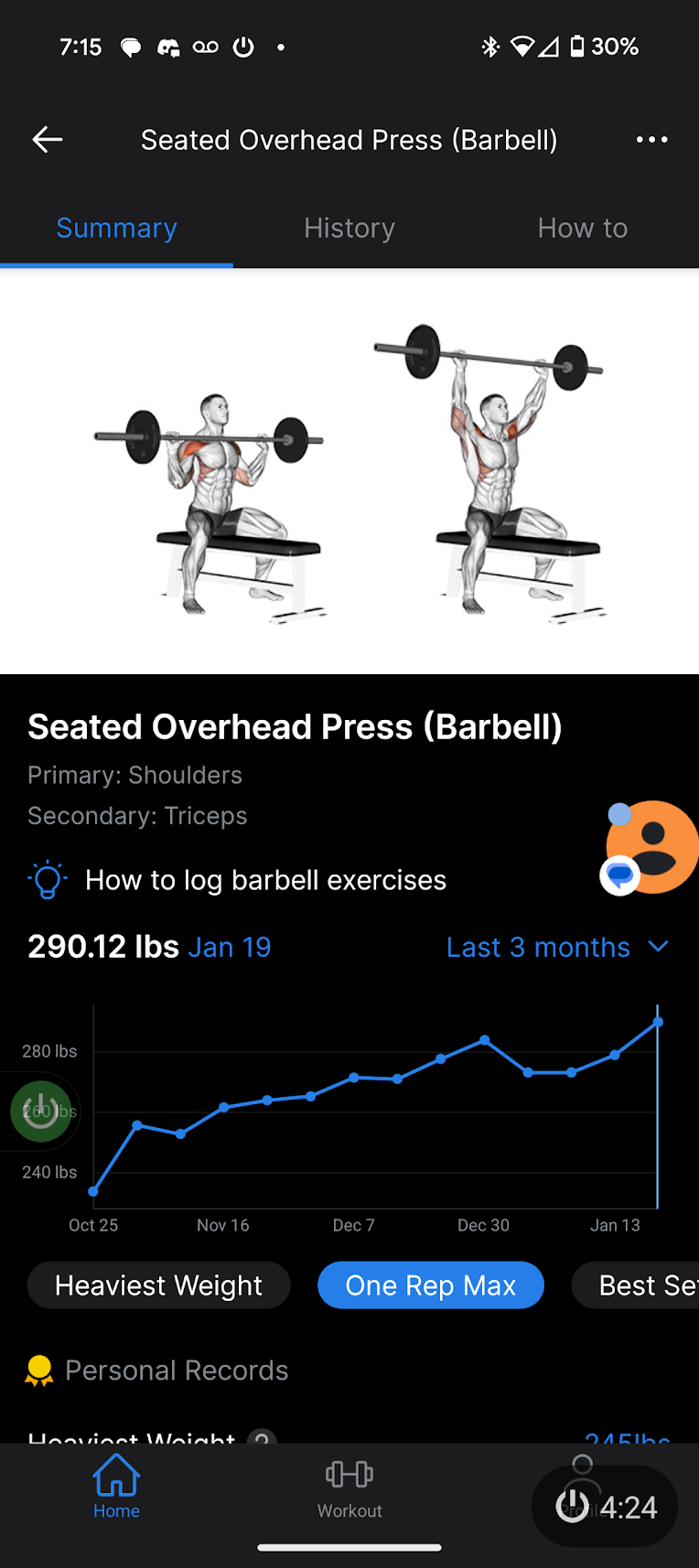
Fitness apps and wearables offer real-time data and convenience. They track steps, heart rate, calories burned, and workout intensity. Many apps include workout plans and goal setting features. Wearables like smartwatches or fitness bands sync with apps for detailed insights.
- Track daily activity automatically
- Provide reminders to stay active
- Allow easy sharing of progress with friends or trainers
- Offer motivation through challenges and rewards
Choose apps and devices that are user-friendly. Check if they fit your budget and work with your phone or computer. Consider features you need most, such as sleep tracking or GPS for running routes.
Manual Tracking Methods
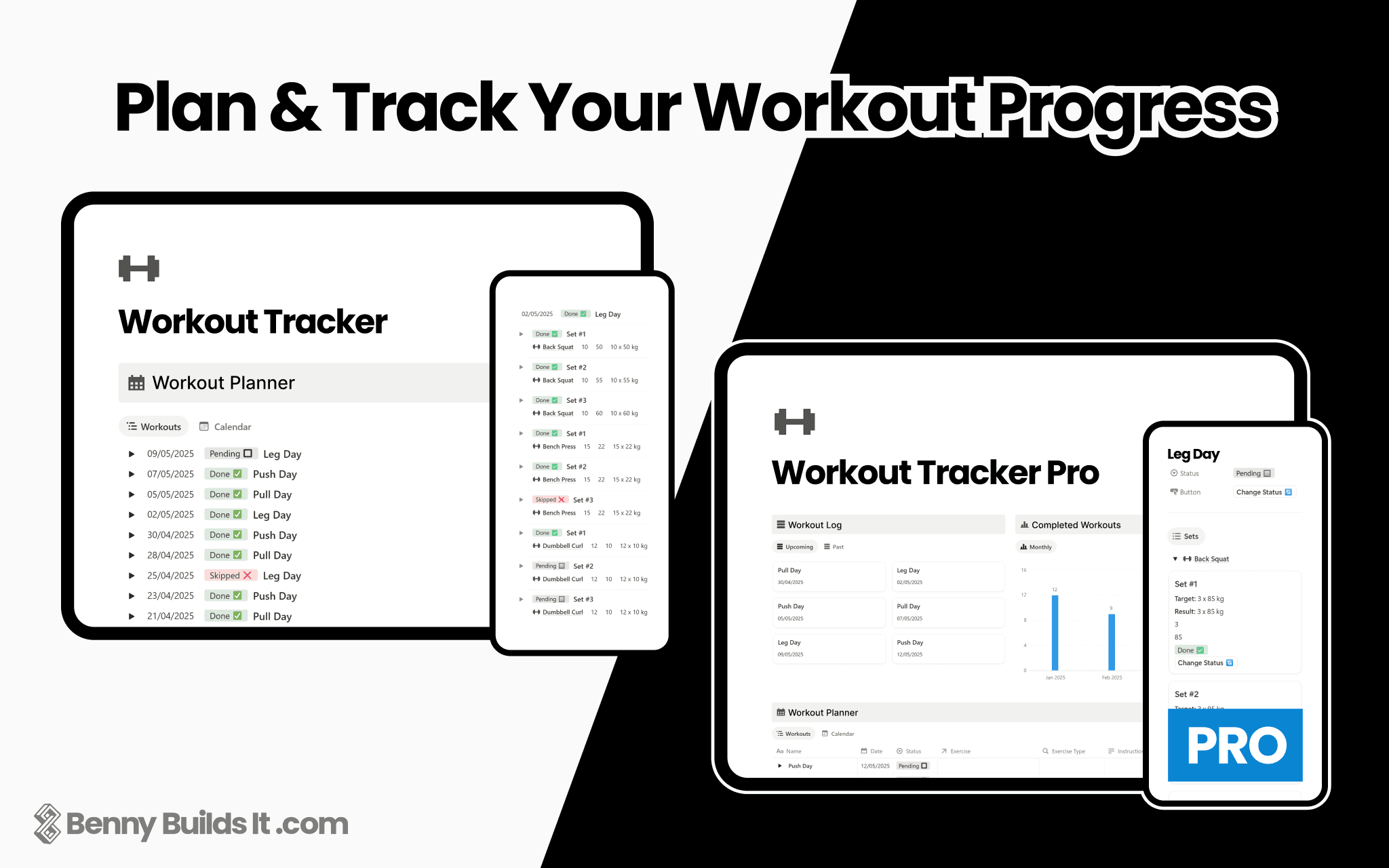
Manual tracking works well for those who prefer simplicity and control. It involves writing down workouts, meals, or body measurements in a notebook or journal. This method helps focus on details and reflect on progress regularly.
- Use a dedicated fitness journal or planner
- Record exercises, sets, reps, and weights
- Note changes in body measurements and weight
- Track moods and energy levels during workouts
Manual tracking requires discipline but increases awareness of habits. It costs little and needs no technology. Use charts or tables to visualize progress easily.
Monitoring Physical Metrics
Monitoring physical metrics is key to tracking fitness progress effectively. These numbers give clear feedback on how your body changes. You can adjust workouts and diet based on these results. Tracking physical data helps maintain motivation and stay on course.
Body Measurements
Taking body measurements shows where fat loss or muscle gain occurs. Use a soft tape measure to track these areas:
- Chest
- Waist
- Hips
- Thighs
- Arms
Measure the same spot each time. Record the results weekly or biweekly. This method reveals changes that weight alone might not show.
Weight Tracking
Tracking weight offers a quick look at overall progress. Use a digital scale for accurate readings. Weigh yourself at the same time daily or weekly.
Morning, after using the bathroom, is the best time. Avoid weighing after eating or exercising. Keep a log to notice trends over weeks.
Evaluating Performance Metrics
Tracking your fitness progress means more than just counting days in the gym. Evaluating performance metrics gives you clear insights into how your body is improving and where you might need to adjust your routine. These metrics help you stay focused and motivated by showing tangible results.
Cardiovascular Fitness
Cardiovascular fitness measures how well your heart and lungs work during exercise. You can track this by noting your resting heart rate or how quickly your heart rate recovers after activity. A lower resting heart rate often means better cardiovascular health.
Try recording how long it takes you to run a mile or how many minutes you can sustain a steady pace on a bike. Over time, improvements in these numbers indicate stronger endurance. Ask yourself: Are you breathing easier during workouts than when you started?
Strength And Endurance Levels
Strength and endurance metrics show how much force your muscles can produce and how long they can keep going. Tracking the weight you lift or the number of reps you complete helps identify gains in muscle power. Keep a workout journal to note increases in weight or reps for each exercise.
Endurance tests like push-up or plank duration tell you about muscular stamina. Notice if you can hold a plank longer week by week or add more push-ups without breaking form. How much progress can you make by focusing on steady improvements instead of pushing too hard too fast?
Analyzing Nutrition And Diet
Tracking your fitness progress isn’t just about counting reps or miles. What you eat and drink plays a huge role in how your body responds to your workouts and recovers afterward. Paying close attention to your nutrition and diet helps you understand if your efforts in the gym are supported by the right fuel.
Calorie Intake And Macronutrients
Are you eating the right amount of calories for your goals? Consuming too many or too few can stall progress. Tracking calories gives you a clear picture of your energy balance.
Focus on macronutrients—proteins, fats, and carbohydrates. Each affects your body differently:
- Proteinsrepair muscles and support growth.
- Carbohydratesprovide energy for workouts.
- Fatshelp with hormone production and overall health.
Try logging your meals for a week and compare your intake against your fitness goals. You might find you’re skimping on protein or overdoing carbs without realizing it.
Hydration And Supplements
Hydration often gets overlooked but is essential for performance and recovery. Are you drinking enough water daily? Dehydration can cause fatigue and reduce workout efficiency.
Supplements can fill gaps but shouldn’t replace real food. Do you rely on protein powders, vitamins, or pre-workout boosters? Keep track of what you take and notice how it affects your energy and muscle gains.
Consider simple habits like carrying a water bottle or setting reminders to drink. Small changes here often lead to big improvements in how you feel and perform.
Adapting Your Fitness Plan
Adapting your fitness plan is key to steady progress. Your body changes as you exercise and eat better. Adjusting your workouts and nutrition helps you avoid plateaus. It keeps your routine fresh and effective. Pay attention to how your body feels and performs. Small tweaks can lead to big results over time.
Modifying Workouts
Change your exercises to challenge different muscles. Increase weights or reps to build strength. Add variety to prevent boredom and improve fitness. Try new activities to boost endurance and flexibility. Rest days are important for recovery. Listen to your body to avoid injury. Track which workouts bring the best results and focus on them.
Adjusting Nutrition Plans
Nutrition fuels your workouts and recovery. Balance your meals with proteins, carbs, and fats. Increase calories if you want to gain muscle. Reduce calories if you aim to lose fat. Drink plenty of water to stay hydrated. Monitor how your body reacts to food changes. Adjust meal timing to support energy and recovery. Keep a food journal to notice patterns and progress.
Utilizing Progress Photos
Tracking your fitness progress can feel abstract when relying only on numbers from scales or measurements. Progress photos offer a straightforward and motivating way to see real changes in your body over time. They capture details that numbers can miss, like muscle tone and posture improvements.
Consistency In Documentation
Taking photos regularly helps create a clear visual timeline of your fitness journey. Choose a consistent time, place, and lighting to get comparable images.
Wear similar clothing that shows your body shape clearly—this highlights true changes without distractions. Many people find setting a weekly or biweekly schedule works best for capturing steady progress.
Have you noticed how one photo can reveal what you don’t see in the mirror daily? Sticking to a routine in documenting helps you avoid misleading comparisons.
Visual Comparisons
Side-by-side photo comparisons are powerful tools to evaluate your transformation. Placing images from different dates next to each other highlights subtle shifts in muscle definition and fat loss.
You might be surprised by the progress you’ve made, even if the scale hasn’t moved much. This visual evidence can boost motivation and help adjust your workout or diet plan effectively.
Try organizing your photos in a digital album or using apps designed for fitness tracking. This makes reviewing your progress easy and encourages you to keep going.
Engaging In Fitness Communities
Engaging in fitness communities helps keep motivation high and progress on track. Sharing experiences with others makes the journey less lonely. Support and encouragement from like-minded people inspire continued effort. These communities offer advice, celebrate wins, and provide helpful feedback. They create a sense of belonging that fuels persistence.
Finding Support Groups
Support groups connect people with similar fitness goals. They exist online and offline. Social media platforms host many active fitness groups. Local gyms and community centers often run group sessions. Joining these groups helps share challenges and successes. Members exchange tips on workouts, diets, and recovery. The encouragement received helps maintain consistency. Feeling understood reduces frustration and burnout.
Participating In Challenges
Challenges add excitement to fitness routines. They create clear goals and deadlines. Examples include step counts, workout streaks, or weight loss targets. Many fitness communities organize monthly or weekly challenges. Taking part boosts motivation and accountability. Tracking progress alongside others sparks friendly competition. Completing challenges builds confidence and celebrates achievement.
Celebrating Milestones
Celebrating milestones is a powerful way to keep your fitness journey motivating and enjoyable. Recognizing your hard work not only boosts your confidence but also helps you stay committed. These small victories mark your progress and remind you why you started.
Rewarding Achievements
Giving yourself a reward after reaching a fitness goal can make the process more satisfying. The reward doesn’t have to be extravagant; it could be a new workout outfit, a massage, or a favorite healthy treat. These rewards reinforce positive behavior and make your fitness routine feel less like a chore.
Think about what truly motivates you—something that feels like a real treat. You might find that celebrating with friends or sharing your success on social media adds extra encouragement. What kind of rewards have made you feel most proud in the past?
Reflecting On Progress
Taking time to look back on how far you’ve come helps you appreciate your effort and adjust your goals. Keep a journal or use an app to note changes in your strength, endurance, or energy levels. Reflecting regularly can reveal improvements you might not notice day to day.
Ask yourself: What challenges did you overcome? Which workouts felt easier than before? This reflection can deepen your understanding of your body and mind, making your fitness journey more meaningful.

Credit: www.youtube.com
Frequently Asked Questions
How Can I Measure My Fitness Progress Effectively?
Track key metrics like weight, body measurements, and workout performance. Use apps or journals for consistent recording. Regularly review data to spot improvements and adjust goals accordingly.
What Tools Help Track Fitness Progress Best?
Fitness trackers, smartwatches, and mobile apps offer accurate data. They monitor steps, heart rate, calories, and workouts. Choose tools that sync with your lifestyle for easy tracking.
How Often Should I Track My Fitness Progress?
Track weekly or biweekly for meaningful insights. Daily tracking may cause unnecessary stress. Consistent intervals help maintain motivation and reveal true progress over time.
Why Is Tracking Fitness Progress Important?
It motivates, highlights successes, and identifies areas for improvement. Tracking helps set realistic goals and keeps workouts focused. It ensures steady advancement toward fitness objectives.
Conclusion
Tracking fitness progress helps you stay motivated and focused. Small changes matter and show your improvement over time. Using simple tools like journals or apps makes tracking easy. Regular checks help adjust your workouts and goals. Celebrate your efforts, no matter how small they seem.
Consistency beats perfection in fitness journeys. Keep moving forward, and your progress will follow naturally.