How to Find a Hairstyle That Fits You: Ultimate Style Guide
Finding the perfect hairstyle can feel like a puzzle. You want something that looks great, suits your personality, and fits your daily life.
But how do you choose when there are so many options? The right hairstyle can boost your confidence and make you stand out for all the right reasons. You’ll discover simple, practical tips to find a hairstyle that truly fits you.
Keep reading to unlock the secrets that stylists don’t always share and make your next haircut your best one yet.
Face Shape Analysis
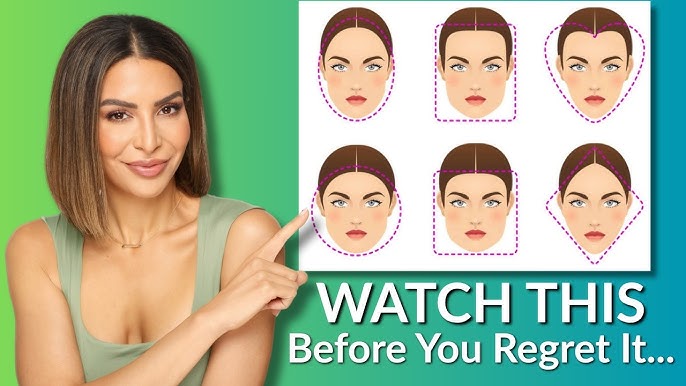
Understanding your face shape is a game-changer when choosing a hairstyle. It helps highlight your best features and balances your overall look. You don’t have to settle for a style that doesn’t suit you—analyzing your face shape guides you toward cuts and styles that enhance your natural beauty.
Identifying Your Face Shape
Look at your face in the mirror and measure its key points: forehead width, cheekbones, jawline, and face length. Are your cheekbones the widest part? Is your jawline sharp or rounded? These clues help determine if your face is round, square, oval, or heart-shaped.
Try this simple test: pull your hair back and trace the outline of your face with a washable marker or a soft eyeliner pencil. Step back and observe the shape you’ve drawn. Does it resemble a circle, a square, an oval, or an inverted triangle? Identifying this shape will simplify your hairstyle choices dramatically.
Styles For Round Faces
If your face has soft curves and your width and length are almost the same, you have a round face. You want hairstyles that add height and length to your face. Avoid cuts that end at the chin because they emphasize roundness.
- Try layered cuts that fall below the chin to elongate your face.
- Add volume at the crown to create the illusion of length.
- Side-swept bangs work well to break the roundness.
Styles For Square Faces
Square faces have a strong jawline and a broad forehead. Your goal is to soften those sharp angles. Curly or wavy hairstyles can add softness and texture to your look.
- Long layers with waves soften the jawline.
- Side parts reduce the boxy look of your face.
- Avoid blunt bangs; opt for wispy ones instead.
Styles For Oval Faces
Oval faces are considered the most versatile because the length is greater than the width and the jawline is slightly narrower than the forehead. Most styles suit you, but you should highlight your balanced proportions.
- Experiment with blunt bobs or long waves.
- Try middle or side parts; both work well.
- Avoid styles that cover too much of your face.
Styles For Heart-shaped Faces
Heart-shaped faces have a broad forehead and a narrow chin. You want to balance the forehead and add volume around the jawline. Styles that sweep away from the forehead help reduce its width.
- Side-swept bangs soften the forehead.
- Chin-length bobs add fullness to the lower face.
- Soft curls around the jawline create balance.
Have you noticed how your favorite hairstyles either enhance or clash with your face shape? Take a moment to analyze your features before your next haircut—you might be surprised how much of a difference it makes.
Hair Texture Considerations
Understanding your hair texture is key to choosing a hairstyle that truly suits you. Your hair’s natural pattern affects how styles hold, how much maintenance they need, and how they look throughout the day. Taking time to recognize your hair type will save you from frustration and help you find a look that feels natural and comfortable.
Curly Hair Styles
Curly hair has its own unique bounce and volume. Cutting it too short might cause it to puff up unexpectedly, while cutting it too long can weigh curls down and hide their shape. Try styles that enhance your curl pattern, like layered cuts that prevent bulk and let each curl shine.
Have you noticed how a good haircut can define your curls instead of making them frizzy? Adding a moisturizing routine helps curls stay soft and manageable, which works wonders for your style.
Straight Hair Styles
Straight hair tends to lay flat, which can make some styles look limp or plain. Adding layers can create movement and prevent your hair from looking too flat. You might want to try blunt cuts for a sharp, modern look or soft layers for a bit of volume.
Think about how a simple middle part can change your face shape or how a side-swept bang can add dimension. Straight hair often shows shine best, so healthy hair care will really boost your style.
Wavy Hair Styles
Wavy hair offers a natural, effortless look but can be tricky to style because it sits between curly and straight. Keeping your waves defined without frizz requires the right cut—usually medium layers work well to enhance texture. Avoid heavy layers that can make waves look messy or uneven.
Do you enjoy the beachy, tousled look? Using light styling products like mousse or sea salt spray can help you shape your waves without weighing them down.
Fine Vs Thick Hair
Your hair’s thickness impacts which styles will hold and which will fall flat. Fine hair often benefits from shorter cuts or layered styles that add the illusion of volume. Thick hair, on the other hand, might need thinning or layering to reduce bulk and make styling easier.
Have you noticed how thick hair can sometimes feel heavy and lose shape? A good stylist can tailor cuts to balance your hair’s weight and texture, so your style stays fresh and manageable all day.
Lifestyle And Maintenance
Your daily lifestyle and how much time you want to spend on hair care should guide your hairstyle choice. Choosing a style that fits your routine helps keep your hair looking good without adding stress. Think about how much effort you want to put in each day before picking a cut or style.
Daily Hair Care Routine
Ask yourself: how much time do you have for daily hair care? If you love spending time styling your hair, a routine with multiple steps might suit you. This could include washing, conditioning, blow-drying, and using styling products.
On busy mornings, simple steps like rinsing with water and using a leave-in conditioner can save you time. Your hair type also matters—curly hair might need extra moisture, while straight hair might require less product.
Low Maintenance Styles
Low maintenance styles are perfect if you want to save time and avoid daily fuss. Consider cuts like a bob, pixie, or long layers that air dry well. These styles often need minimal styling tools and products.
- Low upkeep means fewer salon visits—good for a busy lifestyle.
- They usually work well with natural hair texture.
- Can you imagine waking up and stepping out without styling?
High Maintenance Styles
High maintenance hairstyles look great but require daily effort and regular salon visits. Think about curls that need frequent touch-ups or sleek styles that need heat styling. These styles can be rewarding if you enjoy the routine and have the time.
Are you ready to commit to daily styling? If yes, you can experiment with products and tools to keep your look fresh. If not, it might be better to choose something simpler that fits your lifestyle better.

Credit: www.youtube.com
Personal Style And Preferences
Choosing a hairstyle that truly suits you goes beyond just face shape or hair texture. Your personal style and preferences play a huge role in how confident and comfortable you feel with your look. Understanding what reflects your personality helps you pick a hairstyle that feels like a natural extension of yourself.
Classic Vs Trendy Styles
Do you lean towards timeless hairstyles or do you enjoy trying the latest trends? Classic styles often provide a reliable, polished look that fits many occasions. Think sleek bobs, simple layers, or neat ponytails.
Trendy styles, on the other hand, let you express creativity and keep your look fresh. They can be bold cuts, vibrant colors, or edgy textures. Ask yourself if you want a hairstyle that ages well or one that makes a statement today.
Incorporating Personal Interests
Your hobbies and daily routine can influence your hairstyle choice. If you love outdoor activities, low-maintenance cuts might save you time and effort. Someone who enjoys fashion might prefer styles that allow easy styling or frequent changes.
Consider how your hairstyle can complement your lifestyle. For example, a musician might opt for a style that matches their stage presence, while a corporate professional might choose a neat, polished look that aligns with their work environment.
Cultural Influences
Culture often shapes how you view beauty and style. Hairstyles can carry significant meaning or tradition within different communities. Reflect on whether you want your hairstyle to honor your heritage or blend with contemporary trends.
Sometimes, cultural styles offer unique shapes or textures that inspire a fresh look. Have you explored hairstyles from your background or admired those from other cultures? This can be a great way to find something distinctive yet meaningful.
Consulting Professionals
Finding a hairstyle that truly fits you often begins with consulting professionals who understand hair inside and out. Their expertise can save you from costly mistakes and help you discover styles that enhance your features and lifestyle. Talking to the right expert makes a huge difference in your hair journey.
Choosing A Hairstylist
Your hairstylist is more than someone who cuts hair; they are a partner in your look. Look for a stylist who listens carefully to what you want and asks questions about your daily routine and hair goals. Check their portfolio online or on social media to see if their style matches your taste.
Don’t hesitate to ask friends or read reviews to find someone reliable. A hairstylist with experience in your hair type will offer better advice and results. Have you ever walked out of a salon disappointed because the stylist didn’t understand your hair? Choosing the right person prevents that.
Salon Consultation Tips
Use your salon consultation to communicate clearly. Bring pictures of hairstyles you like but be open to the stylist’s suggestions based on your face shape, hair texture, and lifestyle. Remember, what looks great on someone else might not suit you the same way.
Ask questions like:
- How much daily maintenance will this style require?
- Which haircuts suit my face shape best?
- Are there any styles that can help with my hair’s natural texture?
Getting honest feedback during the consultation helps avoid future frustration. Have you tried styles that looked good in pictures but were impossible to manage at home? This is your chance to avoid that.
Understanding Hair Products
Professionals not only cut and style your hair but also recommend products that work best for your hair type. Using the wrong products can weigh your hair down or cause damage. Ask your stylist about shampoos, conditioners, and styling products that fit your hair’s needs.
Learn the difference between products designed for volume, moisture, or hold. For example, if your hair is fine, a lightweight mousse might add volume without making it greasy. If it’s curly, a leave-in conditioner can keep frizz under control.
Have you noticed how some products make your hair feel heavy or dry? Understanding product benefits helps you maintain your new hairstyle effortlessly every day.

Credit: www.tiktok.com
Experimenting With Styles
Experimenting with different hairstyles helps you discover what suits your face and personality. It allows you to test new looks without making a permanent change. Trying various styles builds confidence and keeps your appearance fresh.
Temporary Changes
Temporary changes let you explore new hairstyles safely. Use hair chalk, clip-in extensions, or styling gels to try different colors and lengths. Wigs offer a quick way to see a completely new look. These options protect your natural hair while you experiment.
Virtual Style Try-on Tools
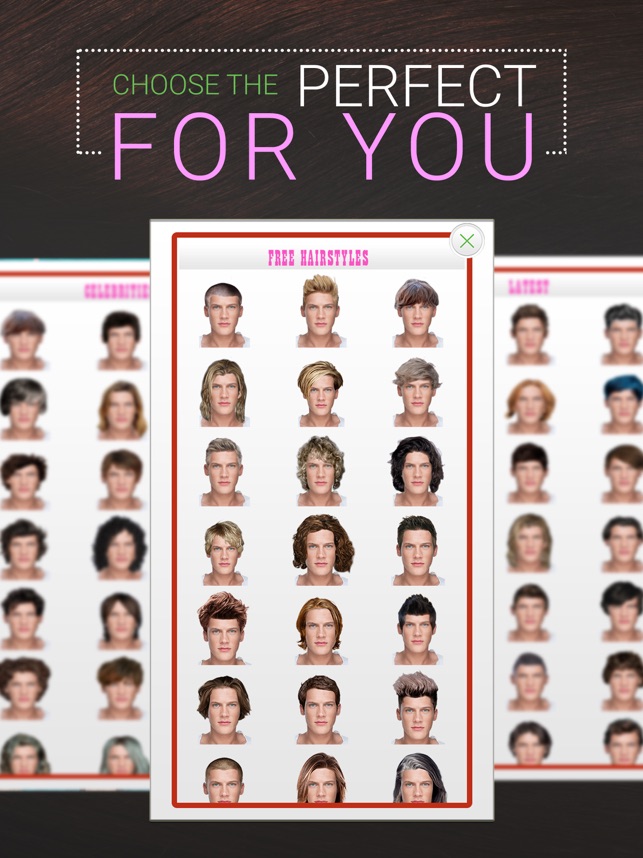
Virtual style try-on tools use your photo to show hairstyles on your face. Many apps and websites offer this feature for free. You can test haircuts, colors, and lengths digitally. This helps you visualize changes before visiting a salon.
Feedback And Adjustments
Ask friends or family for honest feedback on your new style. Their views help you understand how others see you. Make small changes based on their advice and your feelings. Adjusting your hairstyle step-by-step leads to the perfect fit.
Celebrity Inspiration
Looking for hairstyle ideas? Celebrities offer a treasure trove of inspiration. Their looks often set trends and show a range of styles that suit different face shapes, hair textures, and lifestyles. Watching how they switch up their hairstyles can spark ideas that fit your personality and daily routine.
Iconic Hairstyles
Some celebrity hairstyles become timeless symbols of style. Think of Audrey Hepburn’s elegant pixie cut or Elvis Presley’s voluminous pompadour. These styles prove that a well-chosen look can define your image for years.
Try to identify what makes these iconic looks stand out. Is it the cut’s shape, the way it frames the face, or the ease of maintenance? This helps you understand what might work for your features.
Modern Celebrity Trends
Current stars often mix classic and new styles, giving you fresh ideas. Celebrities like Zendaya or Harry Styles experiment with color, texture, and length in ways that might surprise you.
Notice how they balance bold choices with practicality. This can guide you to pick trendy hairstyles that still fit your everyday life without too much hassle.
Adaptable Looks For Everyday
Not every celebrity hairstyle is high-maintenance. Many popular looks are designed to be easy to wear daily. For example, the messy bob or layered waves can look polished or casual with minimal effort.
Ask yourself if a hairstyle fits your daily routine. Could you style it quickly in the morning? Does it feel comfortable during work or workouts? Finding adaptable celebrity styles makes it easier to stay stylish without stress.
Credit: apps.apple.com
Frequently Asked Questions
How Do I Choose A Hairstyle For My Face Shape?
Identify your face shape first, such as oval or round. Select styles that highlight your best features and balance proportions for a flattering look.
What Hair Length Suits Different Face Shapes Best?
Short hair works well for oval faces, while longer styles suit round or square faces. Match length to your face shape for harmony.
How Can Hair Texture Influence Hairstyle Choice?
Consider your natural hair texture—straight, wavy, or curly. Choose styles that enhance your texture and require manageable upkeep.
Should Lifestyle Affect My Hairstyle Decision?
Yes, your daily activities and maintenance preferences matter. Pick a hairstyle that fits your routine and time for styling.
Conclusion
Finding a hairstyle that fits you can boost your confidence daily. Think about your face shape, hair type, and lifestyle first. Choose styles that feel comfortable and easy to maintain. Don’t be afraid to try something new or ask a stylist for advice.
Your hair should make you feel happy and look your best. Remember, the right haircut can highlight your features and match your personality. Take your time to explore options and enjoy the process. A good hairstyle is not just about looks—it’s about how it makes you feel.