How to Become Fitness Instructor: Ultimate Guide to Success
Are you passionate about fitness and helping others achieve their health goals? Becoming a fitness instructor could be the perfect path for you.
Imagine turning your love for exercise into a rewarding career where you inspire and guide people every day. But how do you start? What skills do you need? And what steps will lead you to success? Keep reading to discover a clear, simple roadmap that will take you from fitness enthusiast to confident instructor.
Your journey to making a real difference begins here.
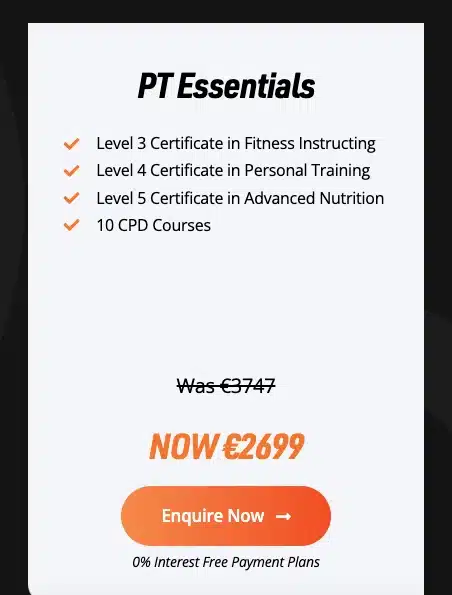
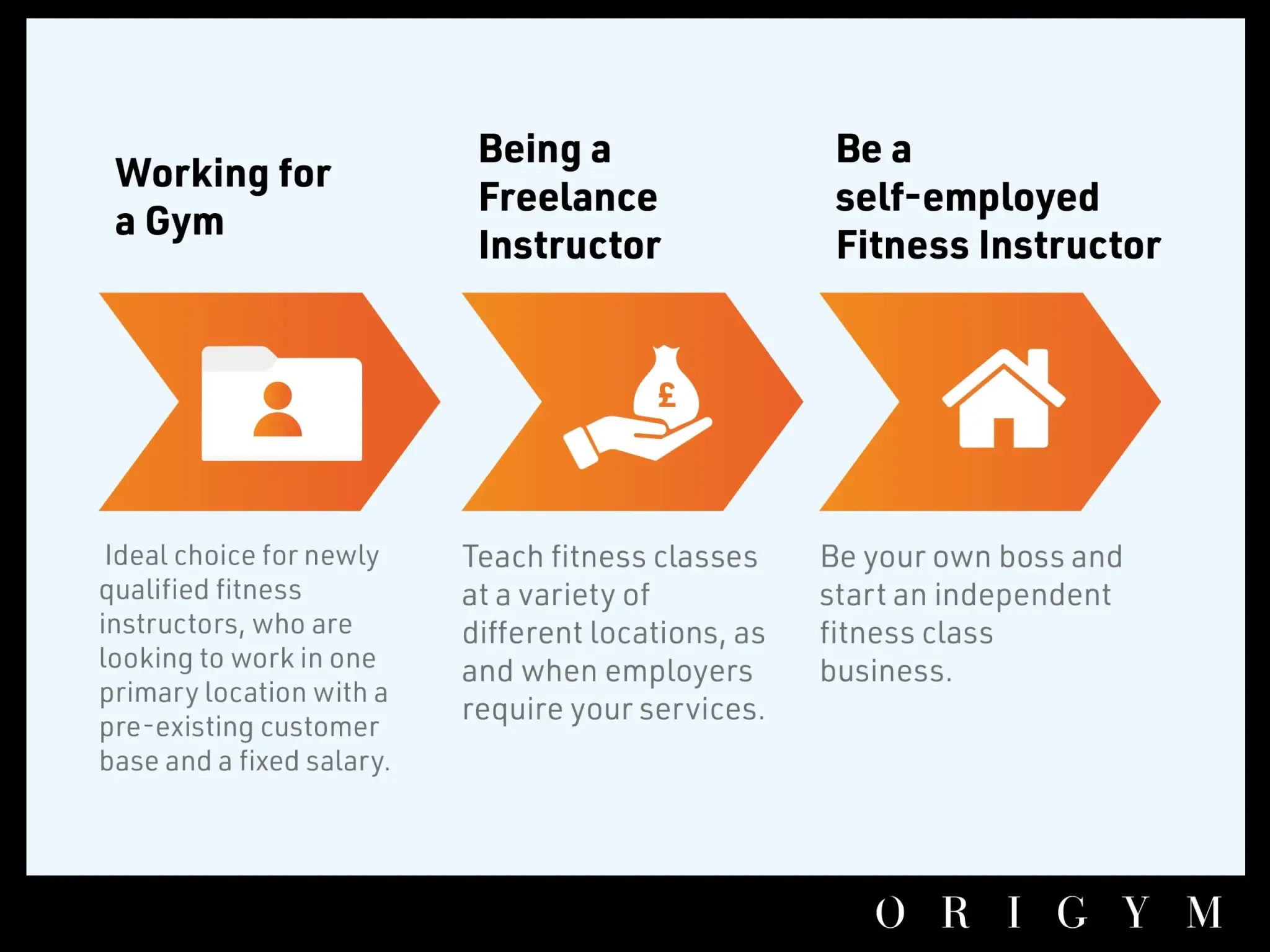
Credit: www.origym.ie
Career Pathways
Choosing a career in fitness opens various paths. Each path offers unique opportunities to help others improve health and well-being. Understanding these pathways helps make informed decisions about the best fit for personal skills and interests.
Personal Trainer
Personal trainers work one-on-one with clients. They design customized workout plans. Trainers track progress and adjust exercises as needed. This role requires strong communication and motivational skills. Certifications in fitness and anatomy are important. Personal trainers often work in gyms or offer private sessions.
Group Fitness Instructor
Group fitness instructors lead exercise classes. Classes include yoga, spinning, aerobics, or dance. Instructors manage groups and keep energy high. They teach proper form and safety techniques. This role suits energetic people who enjoy teamwork. Certification in specific fitness styles is helpful. Classes happen in studios or community centers.
Specialized Fitness Roles
Specialized roles focus on specific populations or fitness areas. Examples include:
- Rehabilitation trainer for injury recovery
- Senior fitness instructor for older adults
- Sports conditioning coach for athletes
- Yoga or Pilates instructor
These roles often require extra training or certifications. They allow professionals to work with unique client needs. Specialization can increase job opportunities and expertise in the field.
Essential Skills
Becoming a fitness instructor requires more than just knowledge of exercises. Certain skills help trainers connect with clients and guide them safely. These skills build trust and improve training results. Focus on developing strong communication, motivation, and technical knowledge to succeed in this role.
Communication Skills
Clear communication helps explain exercises and routines simply. Listening to clients’ needs and concerns is vital. Good communication creates a positive training environment. Using simple language avoids confusion. Non-verbal cues like gestures also support understanding.
Motivation Techniques
Encouraging clients boosts their confidence and effort. Recognize small progress to keep them engaged. Set realistic goals that match clients’ abilities. Use positive words to inspire and maintain energy. Tailor motivation styles to each person’s personality.
Technical Knowledge
Know anatomy and exercise science well. Understand how to design safe, effective workout plans. Stay updated with fitness trends and guidelines. Teach proper form to prevent injuries. Use tools and equipment correctly during sessions.
Certification Options
Choosing the right certification is a key step to become a fitness instructor. Certifications prove your skills and knowledge in fitness training. They help build trust with clients and employers. Many options exist, each with unique benefits. Understanding these options guides you to the best choice for your career.
Popular Fitness Certifications
Several certifications are well-known and respected in the fitness industry. These include:
- ACE (American Council on Exercise) – Focuses on personal training and group fitness.
- NASM (National Academy of Sports Medicine) – Known for science-based personal training programs.
- ISSA (International Sports Sciences Association) – Offers flexible online courses.
- ACSM (American College of Sports Medicine) – Emphasizes clinical and health-related fitness.
- NFPT (National Federation of Professional Trainers) – Provides practical training certification.
Each certification has different course lengths, exam styles, and costs. Some offer specializations like yoga, strength training, or nutrition.
Choosing The Right Certification
Consider your career goals before picking a certification. Think about the fitness area you want to focus on. Check if the certification is recognized by employers or gyms in your area.
Review the course structure and study materials. Online or in-person options may suit different learning styles. Verify the exam format and renewal requirements.
Compare costs and time commitments. Some certifications require continuing education to stay valid. Choose one that fits your budget and schedule.
Educational Requirements
Educational requirements are important for becoming a fitness instructor. They provide the knowledge and skills needed to train others safely and effectively. Understanding anatomy, exercise science, and nutrition helps build a strong foundation.
Many employers prefer candidates with formal education. Certifications alone may not be enough for advanced roles. Education also boosts confidence and professionalism.
Degree Programs
Degree programs in exercise science, kinesiology, or physical education prepare you well. These programs cover human anatomy, physiology, and biomechanics. They also teach how to create training plans for different clients.
Most degrees take about two to four years to complete. Some popular options include:
- Associate’s degree in fitness training
- Bachelor’s degree in exercise science
- Bachelor’s degree in sports medicine
These degrees open doors to many career paths in fitness and health. They also support certification requirements for many training organizations.
Continuing Education
Fitness instructors need to keep learning after they start working. New research and techniques appear regularly. Staying updated improves your training methods and client results.
Continuing education can include:
- Workshops and seminars
- Online courses
- Specialty certifications
Many certification bodies require continuing education credits to renew credentials. This ensures instructors maintain high standards in their practice.
Building Experience
Building experience is a crucial part of becoming a successful fitness instructor. It’s not just about knowing the theory but applying what you learn in real settings. This hands-on practice helps you understand client needs, adapt your teaching style, and gain confidence.
Internships And Volunteering
Look for internships or volunteer opportunities at gyms, wellness centers, or community programs. These roles give you a chance to observe and assist experienced instructors, which sharpens your skills. You might start by helping set up classes or guiding warm-ups, but soon you’ll take on more responsibility.
Volunteering also exposes you to different fitness environments. You could work with youth programs, senior centers, or sports teams, each offering unique challenges. Have you considered how these varied experiences could make you a more versatile instructor?
Working With Diverse Clients
Fitness instructors succeed when they can connect with clients of all ages, fitness levels, and backgrounds. Try to work with a wide range of people to understand their unique goals and limitations.
For example, coaching a beginner recovering from injury is very different from training an athlete preparing for competition. Each situation will teach you new ways to motivate and support others. Are you ready to adapt your approach to meet each client’s needs?
Developing A Personal Brand
Building a strong personal brand is key for fitness instructors. It helps you stand out and gain trust. Your brand reflects your style, values, and expertise. Clear and consistent branding attracts clients who connect with your approach. Developing your brand takes time and focus. It starts with sharing your story and skills openly.
Creating An Online Presence
A solid online presence makes you visible to more people. Use social media platforms to share workout tips, success stories, and daily motivation. A professional website can showcase your services, certifications, and client testimonials.
- Post regularly with quality content
- Use clear photos and videos
- Engage with followers by responding to comments
- Keep your branding consistent across all platforms
These actions help build trust and show your expertise. Consistency is key. Your online presence should match your personality and training style.
Networking Strategies
Building connections with other fitness professionals and potential clients is important. Attend local fitness events, workshops, and classes. Join online groups related to fitness and health.
- Introduce yourself and share your goals
- Offer help or advice to others
- Collaborate on projects or challenges
- Stay in touch regularly
Networking opens doors to new opportunities and referrals. It also helps you learn and grow as a fitness instructor.
Finding Employment
Finding a job as a fitness instructor involves more than just training skills. Employers want confident, reliable, and well-prepared candidates. Knowing how to approach the job search can increase your chances of success.
Job Search Tips
Start by preparing a clear and professional resume. Highlight your certifications, experience, and special skills. Use simple language to explain your fitness knowledge.
Network with other fitness professionals and join related groups. Attend local fitness events to meet potential employers. Use online job boards and fitness websites to find openings.
Practice your interview skills. Be ready to talk about your fitness background and teaching style. Show enthusiasm and a willingness to learn.
Understanding The Job Market
The fitness industry offers many job types. You can work in gyms, health clubs, community centers, or private studios. Some jobs focus on personal training, while others involve group classes.
Know the demand in your area. Urban locations often have more fitness jobs. Rural areas may have fewer opportunities but less competition.
Stay updated with fitness trends. Employers value instructors who know the latest workout methods and tools. This knowledge can set you apart from others.

Credit: ujamfitness.com
Starting A Business
Starting your own fitness instructor business is an exciting journey that lets you turn your passion for health and wellness into a rewarding career. It requires more than just teaching workouts; you need a clear plan and smart marketing to attract and keep clients. Building a strong foundation now will help your business grow steadily and stand out in a crowded market.
Business Planning
Begin by defining your niche. Will you specialize in personal training, group classes, or online coaching? Knowing your focus helps shape your services and target audience.
Create a simple business plan outlining your goals, target market, pricing, and expenses. This plan acts as your roadmap and keeps you on track.
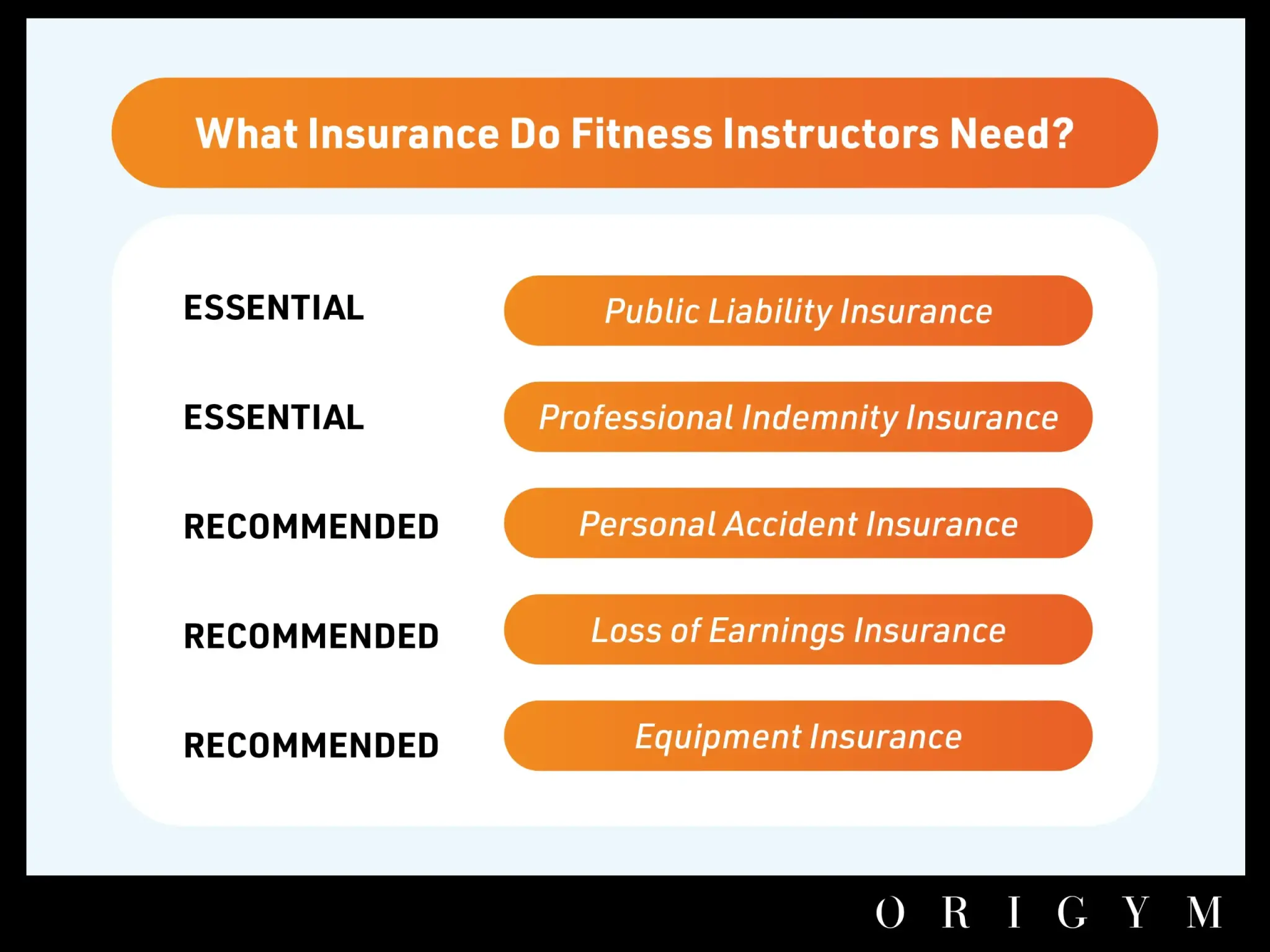
Think about legal requirements too. Register your business, get the necessary insurance, and check if you need any licenses or certifications to operate legally in your area.
Marketing Your Services
Marketing is how you connect with potential clients. Start by building a professional website that showcases your expertise, services, and testimonials.
Use social media platforms to share valuable fitness tips, success stories, and live sessions. Engagement builds trust and turns followers into clients.
- Offer free introductory classes to attract first-time clients.
- Partner with local gyms or wellness centers to widen your reach.
- Ask satisfied clients for referrals and reviews to boost credibility.
Have you thought about what makes your fitness approach unique? Highlighting that in your marketing can make people choose you over others.
Trends In Fitness Industry
The fitness industry is always changing. New trends appear as people seek fresh ways to stay healthy and fit. Fitness instructors must keep up with these trends to stay relevant and effective. Understanding current trends helps instructors meet clients’ needs better.
Emerging Fitness Trends
Group training sessions are gaining popularity. Many enjoy the social aspect while working out. Virtual fitness classes continue to grow. People want convenience and flexibility in their exercise routines. Wearable technology helps track progress and improve workouts. Mind-body exercises like yoga and Pilates attract those seeking balance and calm. High-intensity interval training (HIIT) remains popular for quick and effective workouts.
Adapting To Changes
Fitness instructors must learn new skills and techniques regularly. Staying updated on technology tools improves client engagement. Customizing workouts to individual needs increases success. Embracing online platforms expands reach to more clients. Being open to feedback helps improve training methods. Continuous education ensures instructors provide safe and effective guidance.
Credit: www.origym.ie
Maintaining Professional Development
Maintaining professional development is essential for fitness instructors. It helps you stay skilled and confident. The fitness industry changes fast. New techniques and knowledge appear often. Keeping up with these changes ensures you provide the best training. It also helps you grow your career and build trust with clients.
Attending Workshops
Workshops offer hands-on experience and new ideas. They allow you to practice fresh exercises and methods. You meet other professionals and share tips. Workshops can focus on special areas like yoga, strength training, or nutrition. Choose workshops that match your interests and goals. Regular attendance sharpens your skills and keeps your training fun and effective.
Staying Updated With Industry Research
Read fitness journals and articles to learn about new studies. Research shows what works best for different body types and goals. It helps you avoid outdated methods. Follow trusted sources and experts on social media. Subscribe to newsletters that deliver fresh content. Using current information boosts your credibility and improves client results.
Frequently Asked Questions
What Qualifications Do I Need To Become A Fitness Instructor?
You typically need a high school diploma and a certified fitness instructor course. Specialized certifications like CPR are often required. Advanced qualifications improve job prospects and client trust.
How Long Does It Take To Become A Fitness Instructor?
Most certification programs take 3 to 6 months to complete. Time varies based on course intensity and your schedule. Hands-on training and exams are essential parts of the process.
What Skills Are Essential For A Fitness Instructor?
Key skills include communication, motivation, and knowledge of exercise techniques. You must tailor workouts to clients’ needs and ensure safety. Good interpersonal skills enhance client retention.
Can I Become A Fitness Instructor Without A Degree?
Yes, a degree is not mandatory. Certification programs focus on practical skills and knowledge. However, degrees in related fields can boost career opportunities and credibility.
Conclusion
Becoming a fitness instructor takes time and effort. Start by learning about fitness and health. Get certified through a trusted program. Practice teaching to build confidence and skills. Keep improving by staying updated on new trends. Help others reach their goals with patience and care.
A fitness instructor’s job is rewarding and fun. Stay focused, work hard, and enjoy the journey. Your passion can inspire many to live healthier lives.