How Snug Should Shoes Fit: Ultimate Guide for Perfect Comfort
Have you ever wondered if your shoes fit just right or if they’re too tight or loose? Getting the perfect fit isn’t just about comfort—it can change how you walk, run, and even feel throughout the day.
If your shoes are too snug, they might cause pain and blisters. Too loose, and you risk slipping or injury. Knowing exactly how snug your shoes should be can save you from these problems and keep your feet happy. Keep reading to discover the simple tips and tricks that will help you find that perfect fit every time.

Credit: www.instagram.com
Importance Of Proper Fit
Wearing shoes that fit properly is more than just a comfort issue—it affects your foot health, posture, and even your daily energy. Ill-fitting shoes can cause blisters, bunions, or long-term foot problems that could have been avoided. Have you ever considered how much your shoes impact your overall well-being?
Getting the right fit means your shoes support your feet without squeezing or leaving too much space. This balance helps you stay active without pain or discomfort. Think about the last time you wore shoes that pinched—did it affect how long you could stay on your feet?
Preventing Foot Injuries
Shoes that are too tight can pinch nerves and restrict blood flow, leading to numbness or painful blisters. On the other hand, loose shoes cause your feet to slide, increasing the risk of sprains or falls. Properly fitting shoes protect your feet from these injuries and keep you moving confidently.
Enhancing Comfort And Performance
When your shoes fit well, you’ll notice less fatigue and better balance during activities. Whether you’re walking, running, or standing for long periods, good fit means less strain on your muscles and joints. Comfort isn’t just a luxury—it’s a key factor in how well you perform every day.
Maintaining Foot Health Over Time
Consistently wearing snug but comfortable shoes helps maintain the natural shape of your feet. It prevents deformities like hammertoes or bunions that develop from pressure and friction. Investing time in finding the right fit now saves you from painful corrections later.
Signs Of A Good Fit
Knowing the signs of a good shoe fit can save your feet from discomfort and long-term problems. Shoes that fit well feel almost invisible—they support without squeezing or slipping. Paying attention to specific fit indicators helps you choose shoes that feel just right from the first step.
Toe Room
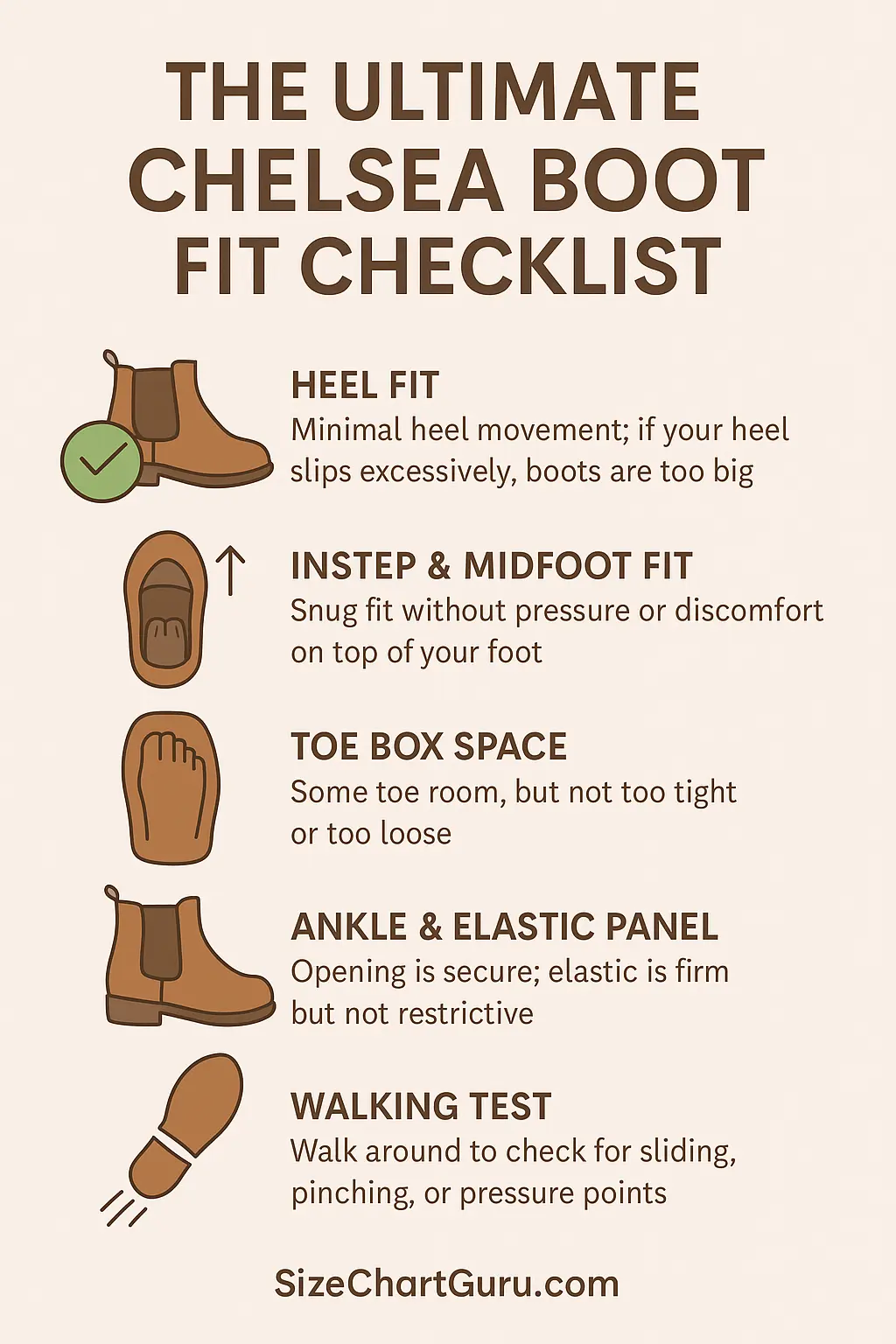
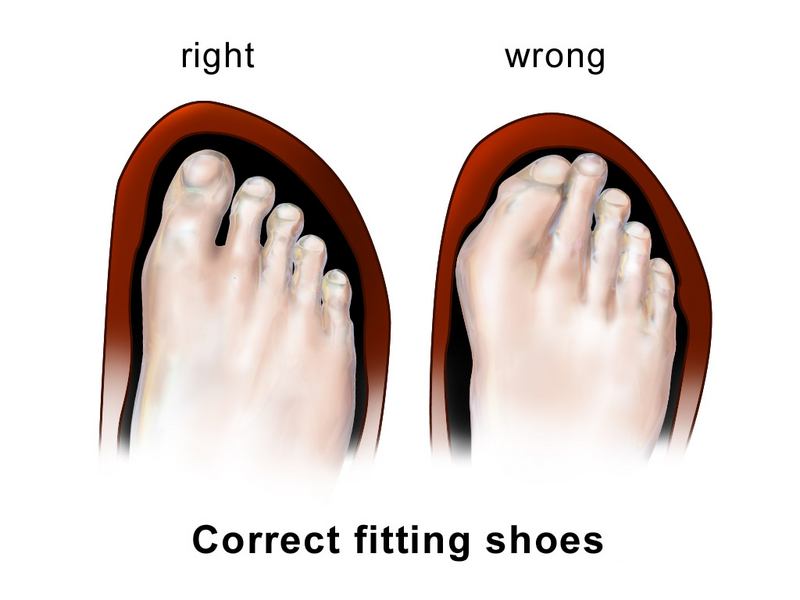
Your toes need space to wiggle comfortably. A good fit means there’s about a thumb’s width of space between your longest toe and the shoe’s front. Too little room can cause blisters or bunions, while too much can make your foot slide forward.
Heel Grip
Check if your heel stays snug inside the shoe without slipping out when you walk. A secure heel grip prevents friction and reduces the chance of blisters. You shouldn’t feel any looseness or pinching in this area—just a firm, gentle hold.
Arch Support
Proper arch support aligns your foot and distributes pressure evenly. When the arch fits well, your foot feels supported, not strained. Try walking around and notice if your arches feel lifted rather than flattened or squeezed.
Common Fit Mistakes
Finding the right shoe fit can be tricky, and many people make common mistakes that lead to discomfort or foot problems. Paying attention to how snug your shoes feel is key to avoiding pain and damage. Let’s look at some frequent fit errors and how they affect your feet.
Too Tight
Shoes that are too tight can cause immediate discomfort and long-term issues like blisters, bunions, or nerve pain. You might feel pinching around your toes or the sides of your feet, which can restrict blood flow. Have you noticed numbness or tingling after wearing tight shoes? That’s a clear sign they’re squeezing your feet too much.
Sometimes, people think a tight fit means better support, but it often leads to foot fatigue and pain. Instead, your shoes should feel snug but not restrictive, allowing slight wiggle room for your toes. A quick test is to check if you can wiggle your toes easily inside the shoe.
Too Loose
Shoes that are too loose cause instability and can increase your risk of tripping or injury. If your heel slips out when you walk or your foot slides forward, the shoes aren’t holding your feet securely. Loose shoes may seem comfortable at first but can lead to blisters due to excessive friction.
Think about how your shoes feel after a few hours of wear. If you have to tighten the laces multiple times or find yourself adjusting your shoes constantly, the fit is probably too loose. Proper support comes from a shoe that grips your foot without squeezing it.
Ignoring Width
Many people focus only on shoe length and overlook width, which is equally important for comfort. Wearing shoes that are too narrow can squeeze your foot, causing pain and foot deformities over time. On the other hand, overly wide shoes may lack support and cause instability.
Widths vary across brands, so don’t assume your usual size fits perfectly every time. Have you ever tried a wider or narrower shoe to compare? Taking the time to test different widths can dramatically improve how your shoes feel and protect your feet.
Credit: www.sizechartguru.com
Measuring Your Feet
Measuring your feet is the first step to finding shoes that fit just right. Shoes that fit well protect your feet and keep you comfortable all day. Taking accurate measurements helps avoid buying shoes that are too tight or too loose. Use simple tools like a ruler, paper, and pen. Measure your feet at the end of the day when they are largest. Stand straight and put your full weight on the foot while measuring.
Length Measurement
Place your foot on a piece of paper. Mark the tip of your longest toe and the back of your heel. Use a ruler to measure the distance between these marks. Measure both feet since one foot may be longer. Use the longer foot’s measurement to choose shoe size. Write down the length in centimeters or inches for reference.
Width Measurement
Wrap a soft tape measure around the widest part of your foot. This is usually near the ball of your foot. Make sure the tape is snug but not tight. Note the measurement in centimeters or inches. Measure both feet and use the larger width. Width helps find shoes that do not squeeze your foot sides.
Understanding Foot Shape
Feet come in different shapes beyond length and width. Some have high arches, others are flat. Some feet have wide heels or narrow toes. Knowing your foot shape helps choose shoes that support well. Stand on a flat surface and look at your foot outline. This shows your arch type and foot width clearly. Choose shoes made for your specific foot shape for better comfort.
Trying Shoes On For Size
Trying shoes on for size is a key step to find the right fit. Shoes that fit well feel comfortable and support your feet properly. The fit affects how you walk and your foot health. A good fit means the shoes are snug but not tight. Testing shoes carefully helps avoid pain and blisters.
Time Of Day Considerations
Feet swell during the day and become larger. Try shoes later in the afternoon or evening. This shows the true size your feet need. Morning fittings may feel too tight later. Buying shoes when feet are at their largest ensures comfort all day.
Socks And Insoles
Wear the socks you plan to use with the shoes. Thick socks need more space than thin ones. Add insoles if you usually use them. This affects the shoe’s fit and comfort. Trying shoes with the right socks and insoles gives a real fit feel.
Walking Test
Walk around the store or room in the shoes. Pay attention to pressure points and tight spots. The heel should not slip out with each step. Toe space should allow slight movement without rubbing. Walking reveals fit problems that standing tests miss.
Materials And Their Impact
The material of your shoes plays a key role in how snug they should fit. Different materials stretch, breathe, and support your feet in unique ways. Understanding these differences helps you pick shoes that feel right and keep your feet comfortable all day.
Leather And Flexibility
Leather shoes usually mold to your feet over time. They start firm but soften with wear. This natural stretch means leather shoes can feel snug at first but become more comfortable later. Leather also offers good support and durability. It adapts to foot shape, reducing pressure points. Expect leather shoes to need a small break-in period.
Synthetic Options
Synthetic materials often feel lighter and less rigid than leather. They usually do not stretch much, so fit is crucial from the start. Synthetic shoes keep their shape well and resist water. Some synthetics are flexible, but many remain firm. Check the shoe’s design and material blend to know if it will move with your foot or stay stiff.
Breathability Factors
Breathable materials help keep feet dry and cool. Mesh and perforated fabrics allow air to flow freely. This reduces sweat and discomfort during long wear. Leather breathes naturally but less than mesh. Synthetic materials vary—some are ventilated, others trap heat. Choose breathable shoes for hot climates or active use. Good airflow can prevent blisters and odor.
Adjusting Shoe Fit
Adjusting the fit of your shoes can make a huge difference in comfort and foot health. Shoes that feel too tight or too loose can cause blisters, pain, or even long-term issues. Luckily, small tweaks can help you achieve that perfect snugness without sacrificing comfort.
Use Of Inserts
Adding inserts or insoles is a simple way to improve shoe fit. They can fill extra space inside the shoe and provide better arch support. If your shoes feel a little loose, a cushioned insert can stop your foot from sliding around.
There are many types of inserts available, from gel pads to foam cushions. Choosing the right one depends on your foot shape and the specific problem you’re trying to solve. Have you ever tried an insert that changed how your shoes fit and felt?
Lacing Techniques
How you lace your shoes can impact fit more than you might think. Adjusting the tightness in different parts of the shoe helps target pressure points. For example, skipping certain eyelets or using a runner’s loop can prevent heel slipping.
Try lacing your shoes differently to see if it improves comfort. This small change can relieve tightness or looseness without needing a new pair. What lacing trick could make your shoes feel just right?
Professional Adjustments
If DIY fixes don’t work, a professional shoe fitter or cobbler can offer precise adjustments. They can stretch tight areas or add custom padding tailored to your foot. Sometimes, expert help is the key to resolving persistent fit issues.
Visiting a specialist might feel like an extra step, but it’s worth it if your shoes cause discomfort. Have you considered professional adjustments for your favorite but troublesome pair?
Credit: www.facebook.com
Special Considerations
Shoes must fit well for comfort and foot health. Several special factors affect how snug shoes should be. These factors help you choose the right fit for your feet and activities.
Foot Conditions
Certain foot problems need extra care with shoe fit. People with bunions, hammertoes, or flat feet may need shoes with more room. Tight shoes can cause pain or worsen these issues. Shoes with adjustable straps or stretchable materials offer relief. Always consider your foot shape and any medical advice.
Activity Type
Shoe fit changes based on what you do. Running shoes should be snug but allow toe wiggle. Hiking boots need a firm fit to prevent slipping inside. For walking, shoes should be comfortable and supportive. The activity’s movement type affects how tight or loose shoes must be.
Seasonal Changes
Feet can swell in warm weather, needing more space. Thicker socks in winter require extra room inside shoes. Shoe fit may feel different between seasons. It helps to try shoes at the end of the day when feet are largest. Adjust shoe size or style to match seasonal needs.
Tips For Buying Shoes Online
Buying shoes online can be tricky without trying them on first. Shoes that fit snugly feel comfortable and support your feet well. Use smart strategies to find the right size and fit from online stores. These tips help avoid returns and keep your feet happy.
Reading Reviews
Reviews reveal how shoes fit real buyers. Look for comments on size, width, and comfort. Pay attention to repeated notes about tightness or looseness. Reviews often mention if shoes run small or large. This helps choose the correct size before ordering.
Checking Return Policies
Return policies protect your purchase. Confirm the store allows easy returns or exchanges. Note deadlines for returns and if shipping costs apply. A good policy gives peace of mind when trying new shoe brands. Save the receipt and packaging until you are sure of fit.
Virtual Fitting Tools
Virtual fitting tools estimate shoe size using your foot measurements. Some websites use photos or videos to suggest the best size. These tools reduce guesswork and improve accuracy. Use them to compare sizes across different brands and styles before buying.
Frequently Asked Questions
How Tight Should Shoes Fit For Comfort?
Shoes should fit snugly but not be too tight. They must secure your foot without causing pain or pressure points. Proper fit allows natural foot movement and prevents blisters or discomfort during walking.
Can Shoes That Are Too Loose Cause Problems?
Yes, loose shoes can cause blisters, instability, and foot fatigue. They allow your foot to slide, increasing friction and risk of injury. Properly fitted shoes offer support and reduce the chance of accidents.
When Is The Best Time To Try On Shoes?
Try on shoes in the afternoon or evening when feet are slightly swollen. This ensures a more accurate fit since feet expand during the day. It helps avoid buying shoes that feel tight later.
How Much Space Should Be At The Toe Box?
Leave about a half-inch (thumb’s width) of space between toes and shoe tip. This space prevents toe cramping and allows natural movement. Proper toe room supports foot health and comfort.
Conclusion
Shoes should fit snug but never feel tight or painful. A good fit keeps your feet comfortable all day. Too tight can cause blisters and soreness. Too loose may lead to slipping and injuries. Always try shoes on later in the day when feet swell.
Walk around to check comfort and support. Remember, proper shoe fit helps your feet stay healthy. Choose shoes that feel right, not just look good. Your feet will thank you with every step.