How Should Track Spikes Fit: Ultimate Guide for Perfect Comfort
If you’re serious about improving your running performance, you know that every detail counts. One key factor that often gets overlooked is how your track spikes fit.
Wearing spikes that don’t fit right can slow you down, cause discomfort, or even lead to injury. But how exactly should track spikes fit to give you the best support and speed? You’ll discover simple tips and expert advice to make sure your spikes feel like a perfect extension of your feet.
Keep reading to unlock the secret to running faster and more comfortably than ever before.
Choosing The Right Size
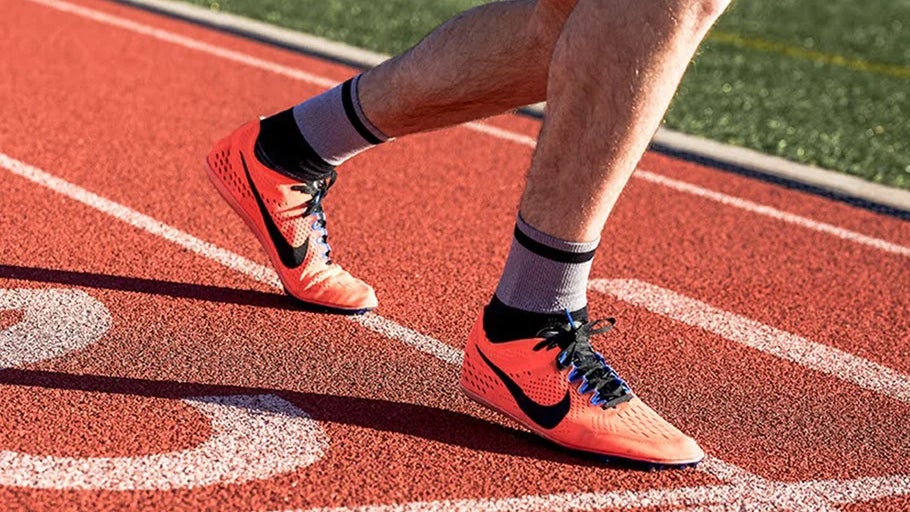
Choosing the right size for your track spikes is more than just picking what feels good in the store. It affects your performance, comfort, and even injury risk. Getting the perfect fit means your spikes support every stride without causing pain or blisters.
Importance Of Proper Fit
A proper fit ensures your feet stay secure and stable during sprints or long-distance runs. Too tight, and you risk pinching nerves or cutting off circulation. Too loose, and your foot can slide, causing blisters and reducing power transfer.
Imagine running a race where your spikes feel like they’re slipping off. Would you push yourself as hard? Most runners don’t realize how much a small sizing error can affect their confidence and speed.
Measuring Your Feet
Measuring your feet at home is simple and crucial. Start by standing on a piece of paper and tracing your foot outline with a pencil held straight up. Then, measure the length from your heel to the tip of your longest toe.
Don’t forget to measure both feet. One foot is often slightly larger, so sizing should accommodate the bigger one.
- Measure in the evening when feet are naturally swollen.
- Wear the socks you plan to run in when measuring.
- Compare your measurements to the brand’s sizing chart, as sizes can vary.
Have you checked your foot size recently? Your ideal spike size might have changed without you realizing it.
Credit: www.runningwarehouse.com
Types Of Track Spikes
Choosing the right track spikes can make a huge difference in your performance. Different races demand different types of spikes designed to support your unique running style and distance. Understanding these types will help you pick spikes that fit your needs and improve your comfort and speed on the track.
Sprint Spikes
Sprint spikes are built for short bursts of speed, usually distances up to 400 meters. They are lightweight with minimal cushioning to keep you fast and agile. The spike plate is often rigid with fewer spikes, giving you maximum traction during explosive starts and quick turns.
If you’ve ever felt your shoes slow you down during a sprint, you might need spikes that prioritize speed over comfort. Are your current spikes helping you explode off the blocks or holding you back?
Middle Distance Spikes
Middle distance spikes cover races from 800 to 1500 meters. They balance speed and comfort, featuring a bit more cushioning than sprint spikes. The spike layout is designed to provide grip while supporting your foot during longer, sustained efforts.
Think about the transition between sprinting and endurance—middle distance spikes help you maintain pace without sacrificing energy. Have you noticed a difference in how your feet feel halfway through your race?
Long Distance Spikes
Long distance spikes are meant for races longer than 1500 meters. These spikes include more cushioning and support to reduce fatigue and protect your feet over time. The spike placement focuses on stability and comfort to keep you running efficiently.
Running longer distances means your feet experience more impact. Are your spikes helping you stay comfortable and injury-free as the laps add up?
Material And Design Considerations
Choosing the right material and design for track spikes ensures comfort and peak performance. The fit depends heavily on how the fabric and construction support your feet. Materials that allow airflow and keep your feet cool are vital. The design must also keep the spikes light without losing strength or support.
Breathable Fabrics
Breathable fabrics help reduce sweat and heat inside the shoe. They let air pass through, keeping your feet dry and fresh. Mesh is a popular choice because it balances ventilation and durability. Breathable materials prevent blisters and discomfort during long runs. Look for fabrics that feel soft but strong enough for racing conditions.
Lightweight Construction
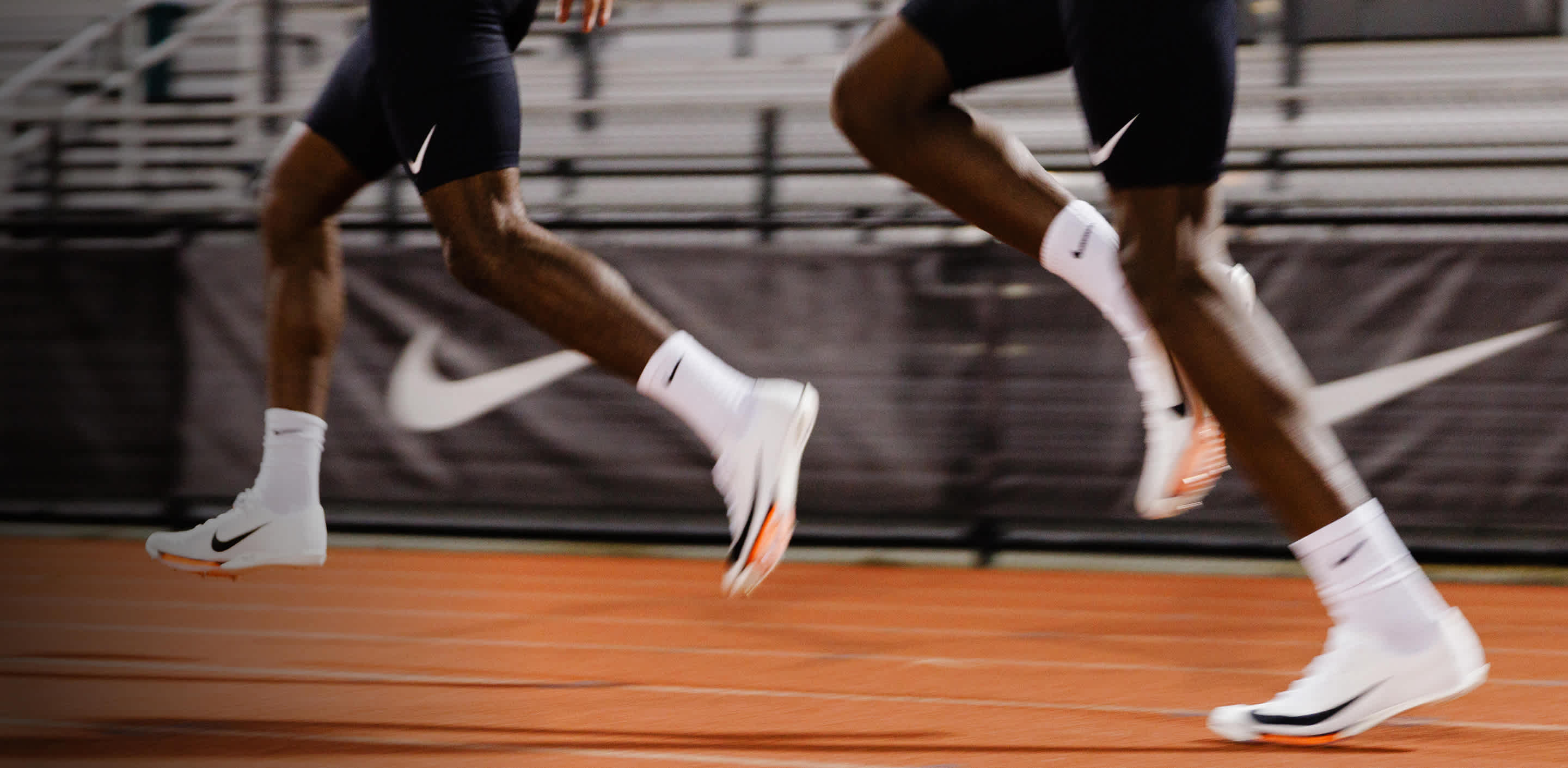
Track spikes should feel light on your feet to avoid fatigue. Lightweight construction uses fewer heavy materials without losing support. Thin soles and minimal padding reduce weight but still protect your feet. Designs often include reinforced areas to keep the shoe stable. A good balance helps maintain speed while preventing injuries.
Credit: www.nike.com
Adjusting Track Spikes For Comfort
Adjusting track spikes for comfort is essential for better performance and injury prevention. Proper fit helps avoid blisters, pressure points, and discomfort during races or training. Small changes in how spikes fit can make a big difference in comfort and support.
Lacing Techniques
Different lacing styles can improve the fit of track spikes. Try skipping eyelets to reduce tightness over the top of the foot. Use a runner’s loop to secure the heel and prevent slipping. Tighten laces evenly to avoid pressure spots. Experiment with lacing patterns for a snug but comfortable hold.
Insoles And Padding
Adding insoles can boost comfort and support inside spikes. Thin, cushioned insoles reduce impact and protect feet. Use gel pads or foam inserts to relieve pressure on sore areas. Make sure insoles fit well and do not crowd the toe box. Proper padding helps keep feet comfortable during long sessions.
Testing Track Spikes
Testing your track spikes is key to making sure they fit just right. Ill-fitting spikes can throw off your performance or cause discomfort that distracts you during races. Taking the time to test them in different settings helps you understand how they feel and perform under real conditions.
Indoor Trials
Start by trying your spikes indoors on a track or gym floor. This controlled environment lets you focus on fit without worrying about weather or uneven surfaces.
Pay attention to how your foot feels inside the spike. Is there any pinching around the toes or heel? Does your foot slide forward during quick movements?
Try running short sprints and sharp turns. These actions reveal if the spikes keep your foot stable. If you notice slipping or discomfort, consider adjusting the lacing or trying a different size.
Outdoor Runs
Next, test your spikes outside where you’ll actually compete. Outdoor conditions add variables like track surface texture and weather that affect fit and grip.
Run at various speeds and distances. Notice if your spikes maintain comfort during longer runs or if pressure points develop.
Check how the spikes grip the track—do they give you solid traction without feeling too tight? Outdoor trials help you decide if you need a different spike plate or cushioning level.
Maintaining Track Spikes
Maintaining track spikes ensures they stay effective and last longer. Proper care helps keep the spikes sharp and the shoes comfortable. Neglecting maintenance can lead to poor performance and discomfort during runs.
Cleaning Tips
Remove dirt and mud after every use. Use a soft brush to clean the spikes and shoe surface. Avoid harsh chemicals; mild soap and water work best. Dry the spikes thoroughly to prevent rust. Check the spikes for damage or wear regularly.
Storage Solutions
Store track spikes in a cool, dry place. Avoid leaving them in damp or hot areas. Use a shoe bag or box to protect them from dust. Keep spikes separate from other shoes to avoid damage. Regular storage helps maintain the shoe shape and spike condition.

Credit: www.amazon.in
Frequently Asked Questions
How Tight Should Track Spikes Fit My Feet?
Track spikes should fit snugly but not painfully tight. They must secure your foot to prevent slipping. Proper fit improves performance and reduces injury risk. Avoid overly tight spikes to maintain comfort during runs.
Can Track Spikes Be Too Loose?
Yes, loose track spikes reduce stability and speed. They can cause blisters and foot injuries. A proper fit ensures your foot stays firmly in place. Always try them on before purchasing to check the fit.
Should Track Spikes Feel Uncomfortable At First?
Mild discomfort is normal initially due to firm support. However, severe pain indicates poor fit or wrong size. Properly fitted spikes feel secure but comfortable during activity. Gradually breaking them in helps adjust to the fit.
How To Measure Foot Size For Track Spikes?
Measure your foot length and width at the end of the day. Use a ruler or measuring tape on a flat surface. Compare measurements with the manufacturer’s size chart. Always consider trying spikes on for the best fit.
Conclusion
Track spikes should fit snugly but not too tight. They must feel secure without causing pain. Proper fit helps improve your speed and grip. Always try them on with the socks you run in. Replace spikes if they wear out or feel loose.
Choosing the right fit keeps you comfortable and safe. Small adjustments can make a big difference on the track. Remember, good fit equals better performance and less injury risk. Keep these tips in mind for your next run.


