How Should Running Shoe Fit: Ultimate Guide for Perfect Comfort
Finding the right fit for your running shoes can make all the difference between a great run and painful blisters. If your shoes are too tight, your feet will ache.
If they’re too loose, you risk injury and discomfort. You might think you know how running shoes should fit, but small mistakes can slow you down or even stop you from running altogether. This guide will show you exactly what to look for when choosing your next pair.
Keep reading to learn the simple yet powerful tips that will keep your feet happy and help you run stronger than ever.
Importance Of Proper Fit
Choosing running shoes that fit well is essential for every runner. A proper fit affects comfort, performance, and foot health. Shoes that are too tight can cause blisters, pain, and long-term damage. Shoes that are too loose may lead to instability and injuries.
Running shoes with the right fit help maintain natural foot movement. They reduce the risk of common problems like black toenails and calluses. Properly fitting shoes also improve your running efficiency by providing support where needed.
Comfort And Injury Prevention
Comfort is the first sign of a good fit. Shoes should feel snug but not tight. Proper fit prevents rubbing and pressure points. This lowers the chance of blisters and sores. Well-fitted shoes also reduce stress on joints and muscles. This helps avoid injuries during runs.
Enhancing Running Performance
Shoes that fit well allow better foot control. They provide stability for a smooth stride. Proper support helps maintain correct posture. This leads to less fatigue and faster recovery. A good fit can improve speed and endurance.
Foot Health And Long-term Benefits
Running shoes that fit right protect your feet over time. They prevent deformities like bunions or hammer toes. Proper cushioning absorbs shock and reduces wear on bones. Good fit also supports arches and prevents plantar fasciitis. Healthy feet mean better running for years.

Credit: www.youtube.com
Key Features To Consider
Finding the right fit in a running shoe means paying close attention to specific features that impact comfort and performance. These details shape how your foot moves and feels during every step. Let’s look at the key areas you should focus on to ensure your running shoes support you well.
Toe Box Space
Your toes need room to move naturally without feeling cramped. A tight toe box can cause blisters, black toenails, or discomfort on longer runs. Look for shoes that offer enough space for your toes to wiggle freely, especially during downhill runs when your foot tends to slide forward.
Think about how your feet swell after running a few miles. Does the shoe still feel comfortable? If not, you might need a wider toe box. Don’t sacrifice this space for style or a sleeker look—your feet will thank you.
Heel Fit
The heel area should hold your foot securely without slipping. If your heel lifts inside the shoe, you risk blisters and inefficient running. On the other hand, a heel that’s too tight can pinch and cause pain.
Try lacing techniques like the runner’s loop to lock your heel in place. When you try on shoes, jog a few steps to check if your heel stays put. How does it feel with socks you usually wear for running? That’s an important test.
Midfoot Support
Support around your midfoot helps maintain stability and prevents excessive foot movement. Some runners need more arch support, while others prefer a more neutral fit. Knowing your arch type can guide your choice here.
Pay attention to how the shoe holds your foot in place during quick turns or uneven terrain. Does it feel balanced or like your foot wants to roll inward or outward? Good midfoot support keeps your stride efficient and reduces injury risk.
Different Types Of Running Shoes
Choosing the right running shoe depends on your foot type and running style. Different shoes provide varying levels of support and cushioning. Knowing these types helps you pick the best fit for comfort and injury prevention.
Neutral Shoes
Neutral shoes suit runners with a normal arch. They offer balanced cushioning and support. These shoes allow natural foot movement and absorb shock well. Ideal for those who do not overpronate or underpronate.
Stability Shoes
Stability shoes help runners with mild to moderate overpronation. They provide extra support in the arch area. This support reduces inward rolling of the foot during runs. Stability shoes combine cushioning with firm support to improve alignment.
Motion Control Shoes
Motion control shoes are designed for severe overpronators. They offer maximum support and limit excessive foot movement. These shoes have a stiff heel and firm arch support. Best for runners who need strong correction and stability.
Common Mistakes In Sizing
Choosing the right running shoe size is more than picking a number on a box. Many runners make simple mistakes that lead to discomfort or injury. Understanding common sizing errors helps you find shoes that fit well and feel great. Here are two frequent sizing mistakes to avoid.
Ignoring Width
Most people focus only on shoe length and forget about width. Feet come in many widths. Wearing shoes too narrow causes pinching and blisters. Shoes too wide lead to slipping and instability. Proper width helps keep your foot secure and comfortable during runs. Don’t assume one width fits all. Check if the shoe brand offers wide or narrow options.
Overlooking Arch Support
Arch support varies between shoes and affects fit greatly. Low or high arches need different support levels. Choosing shoes without considering your arch can cause pain and fatigue. Proper arch support aligns your foot and reduces strain. Many runners skip this step and suffer from discomfort or injuries. Know your arch type before buying running shoes.
Tips For Trying On Shoes
Trying on running shoes is more than just slipping them on and checking the look. The right fit can protect your feet and boost your performance. Taking the right approach during this process helps you find shoes that feel like they were made for you.
Timing Matters
Your feet change size throughout the day. They tend to swell after walking or standing for a while. Trying on shoes in the afternoon or after a light jog gives you a better idea of how the shoes will fit during your runs.
I once bought running shoes early in the morning, and by midday my feet felt cramped. If you’ve ever felt that tight squeeze after starting a run, you know why timing your try-on matters. Visit the store when your feet are at their largest for the most accurate fit.
Socks And Orthotics
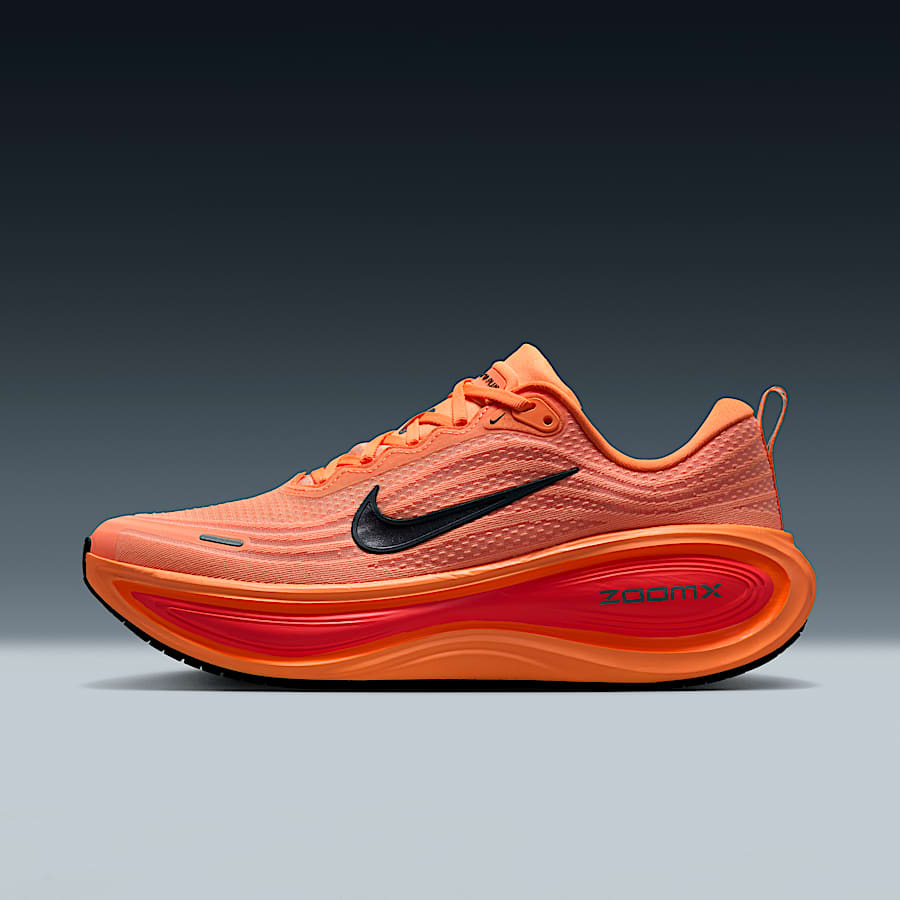
Always wear the socks you plan to run in when trying on shoes. Different socks have different thicknesses that affect the fit. Thin cotton socks won’t give you the same fit as thicker, moisture-wicking running socks.
If you use orthotics or insoles, bring them along. They can change how the shoe fits and feels. Trying shoes with your orthotics inside ensures you don’t end up with shoes that are too tight or uncomfortable once you start running.
Credit: www.nike.com
Signs Of Poor Fit
Recognizing the signs of poor running shoe fit is crucial to protect your feet and improve your running experience. Ignoring these signs can lead to discomfort, injury, and even long-term foot problems. Pay attention to what your feet are telling you as you run or walk in your shoes.
Blisters And Hot Spots
Blisters and hot spots are clear indicators that your running shoes don’t fit properly. These painful, raised areas often form where friction occurs between your skin and the shoe. If you notice these developing during or after a run, it’s a sign your shoe might be too tight, too loose, or rubbing in the wrong places.
Have you ever felt a burning sensation on your foot after just a few minutes of running? That’s a hot spot warning you about poor fit. Adjusting your laces or trying a different size can often prevent these issues before they worsen.
Foot Pain
Foot pain is another red flag of an ill-fitting running shoe. Pain in the toes, arches, heels, or the ball of your foot often means your shoe is putting pressure on sensitive areas. This discomfort can lead to more serious problems like plantar fasciitis or stress fractures if not addressed.
Think about the last time you finished a run feeling sore or numb in your feet. Did your shoes feel tight or loose? Proper fit means your foot should feel secure but not squeezed, with enough room to wiggle your toes comfortably.
Adjusting Fit With Accessories
Finding the perfect fit for your running shoes can sometimes feel like a puzzle. Accessories offer simple solutions to fine-tune that fit without needing a whole new pair. These small adjustments can make a big difference in comfort and performance during your runs.
Insoles And Inserts
Adding insoles or inserts is a quick way to improve shoe fit and support. If your shoes feel a bit loose, thicker insoles can fill extra space and provide better cushioning. Conversely, if you need more arch support, specialized inserts can help reduce strain and improve alignment.
I once struggled with heel slippage until I tried gel heel inserts. They stopped the annoying slipping and made my shoes feel custom-made. Would you consider trying different insoles if your shoes don’t feel quite right?
Lacing Techniques
How you lace your running shoes can change their fit dramatically. Simple tweaks like skipping eyelets or using runner’s loops can tighten or loosen specific areas, preventing pressure points or blisters. This method is especially useful if your feet swell during runs or you have narrow or wide feet.
- Try a “heel lock” lacing to secure your heel firmly.
- Use a “skip lace” technique to relieve pressure on the top of your foot.
- Adjust tension on different sections to customize snugness.
Have you ever experimented with lacing styles to solve fit problems? Small changes can lead to a surprisingly comfortable running experience. What if your perfect fit is just a few lace tweaks away?
Finding The Right Brand
Finding the right brand for your running shoes can make all the difference in comfort and performance. Each brand designs shoes with slightly different shapes, materials, and technologies, which means some will naturally fit your feet better than others. Knowing which brands align with your foot type and running style helps you avoid discomfort and potential injuries.
Popular Brands To Consider
Several brands stand out for their quality and innovation in running shoes. Here are a few to keep on your radar:
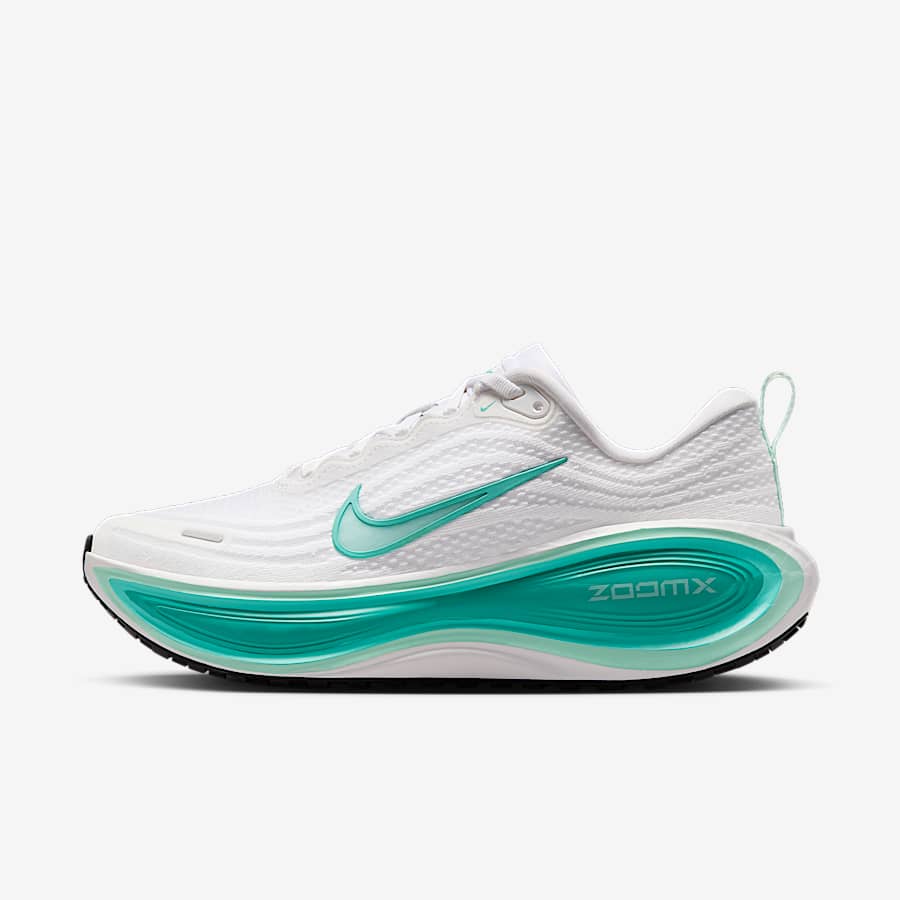
- Nike– Known for sleek designs and responsive cushioning, Nike often fits narrow to medium-width feet well.
- Adidas– Offers Boost technology that provides excellent energy return, typically catering to medium-width feet.
- Asics– Favored for stability and support, great if you have a neutral to overpronation gait.
- Brooks– Focuses on comfort and durability, often recommended for runners with wider feet.
- New Balance– Offers a broad range of widths and sizes, ideal for those needing a more customized fit.
Have you noticed how certain brands just seem to “click” with your feet? It’s not random—each brand’s design philosophy impacts how the shoe feels on your foot.
Assessing Brand Fit
Don’t assume a brand’s reputation means it will fit you perfectly. Take time to try shoes on at the end of the day when your feet are slightly swollen to mimic running conditions.
Pay attention to key areas:
- Toe box:Should allow wiggle room without feeling loose.
- Heel:Must fit snugly to prevent slipping.
- Arch support:Should match your foot’s arch type without causing pressure points.
Try different models within a brand; fit can vary widely. Testing them on a treadmill or taking a short run inside the store reveals how they respond to movement.
Ask yourself: Does this shoe feel like it was made for my foot? If not, keep exploring other brands or models until you find that perfect match.
Credit: www.nike.com
Frequently Asked Questions
How Tight Should Running Shoes Fit?
Running shoes should fit snugly but not tightly. Leave about a thumb’s width space at the toe. Avoid squeezing or pressure points to prevent blisters and discomfort during runs.
Why Is Heel Fit Important In Running Shoes?
A secure heel fit prevents slipping and reduces friction. It stabilizes your foot, minimizing injury risk. Proper heel fit enhances comfort and running efficiency.
How Much Toe Room Is Ideal In Running Shoes?
Aim for 0. 5 to 1 cm (thumb’s width) of toe room. This space allows foot expansion during running and prevents nail damage and blisters.
When Should I Try Running Shoes During The Day?
Try running shoes in the late afternoon or evening. Feet tend to swell after activity, ensuring a better fit that accommodates your foot size during runs.
Conclusion
Finding the right running shoe fit matters a lot. Shoes should feel snug but not tight. Leave some space for your toes to move. Check the shoe fit at the end of the day. Your feet swell after walking or running.
Walk and jog a bit in the shoes before buying. Good fit helps avoid blisters and injuries. It also makes running more comfortable and fun. Choose shoes that match your foot shape and running style. Take your time, and don’t rush the decision.
Your feet will thank you later.