How Should Athletic Shoes Fit: Expert Tips for Perfect Comfort
Choosing the right fit for your athletic shoes is more important than you might think. If your shoes don’t fit well, you could face discomfort, blisters, or even injuries that slow you down.
But how do you know if your shoes fit just right? This guide will help you understand exactly what to look for when trying on athletic shoes. By the end, you’ll know how to pick shoes that support your feet perfectly, so you can perform your best and feel great every step of the way.
Keep reading to discover the simple tips that can transform your shoe shopping experience.
:max_bytes(150000):strip_icc()/hlt-hoka-mens-bondi-9-shoes-hanna-watt-13-daa9d1590cf94c8986a9286527ace634.jpeg)
Credit: www.health.com
Importance Of Proper Fit
Athletic shoes must fit well to protect your feet and improve performance. Proper fit stops discomfort and injuries during activities. Shoes that fit right provide support and comfort for long use.
Wearing ill-fitting shoes can cause blisters, pain, and foot problems. A good fit helps your feet move naturally and keeps balance. It also reduces fatigue by distributing pressure evenly.
Comfort And Support
Properly fitting shoes cushion your feet and support arches. They prevent strain on muscles and joints. Comfort encourages longer, more effective workouts and daily activity.
Injury Prevention
Shoes that fit well reduce the risk of sprains and stress fractures. They stabilize your feet and ankles during movement. This support lowers chances of falls and other injuries.
Performance Enhancement
Good fit improves foot control and agility. It allows quick changes in direction without slipping. Proper shoes help maintain speed and power in sports.
Foot Health Maintenance
Wearing the right size prevents calluses, corns, and bunions. It also avoids long-term deformities. Healthy feet are essential for overall body wellness.

Credit: www.runnersworld.com
Measuring Your Feet Correctly
Measuring your feet correctly is the first step to finding athletic shoes that fit well. Shoes that fit right help prevent pain and injuries. Foot size can change over time. Daily activities and different shoe brands affect fit too. Taking accurate measurements ensures comfort and better performance.
Gathering The Right Tools
Use a ruler or tape measure and a piece of paper. A flat surface and a wall will help. Wear the socks you plan to use with the shoes. This gives a more accurate size.
Tracing Your Foot
Place the paper on the floor against the wall. Stand with your heel touching the wall. Trace around your foot with a pencil. Hold the pencil straight to avoid errors.
Measuring Length And Width
Use the ruler to measure from heel to longest toe. Record this length in inches or centimeters. Measure the widest part of your foot across the ball area. Note this width for shoe width fitting.
Checking Both Feet
Measure both feet because sizes often differ. Choose the larger measurement for shoe size. This avoids tightness and discomfort. Fit shoes to the bigger foot for safety.
Measuring At Different Times
Measure your feet at the end of the day. Feet swell and get bigger after activities. This ensures the shoes fit even when your feet expand.
Key Features To Look For
Choosing the right fit for athletic shoes matters for comfort and performance. Certain features make a shoe support your foot well. These features help prevent injuries and improve movement. Understanding each key feature guides you to better shoe choices.
Heel Support
Heel support keeps your foot steady inside the shoe. It stops your heel from slipping during activity. Look for a firm heel counter that wraps the back of your foot. Good heel support reduces the risk of blisters and ankle twists.
Arch Support
Arch support holds the middle part of your foot. It balances pressure and prevents strain on your arch muscles. Choose shoes with built-in arch support that matches your foot type. Proper arch support helps reduce foot pain and fatigue.
Toe Room
Toe room allows your toes to move freely without feeling tight. Your toes should not feel squeezed or cramped inside the shoe. Check for enough space in the toe box to wiggle your toes comfortably. Proper toe room improves balance and prevents blisters.
Flexibility
Flexibility lets the shoe bend naturally with your foot’s movement. The sole should bend at the ball of your foot, not in the middle. Too stiff or too soft shoes can cause discomfort and affect your stride. Shoes with balanced flexibility support smooth and natural steps.
Trying Shoes On: Best Practices
Trying on athletic shoes is more than just slipping them on and walking around. It’s about making sure they fit your feet perfectly to avoid discomfort and injury. Paying attention to small details during this process can make a big difference in how your shoes feel during workouts or sports.
Time Of Day Matters
Your feet change size throughout the day. They tend to swell and get slightly larger by the afternoon or evening. Trying on shoes at these times helps ensure your shoes won’t feel too tight when your feet are at their biggest.
Have you ever bought shoes in the morning only to find them uncomfortable later? Testing shoes when your feet are at their largest can save you from this common mistake.
Socks And Insoles Considerations
Always wear the socks you plan to use during your workouts when trying on shoes. Thick or specialized athletic socks can affect the fit, so bring them along. If you use custom insoles, bring those too, as they take up space inside the shoe and impact comfort.
Walking around the store with your usual socks and insoles lets you feel the real fit. Don’t assume shoes will feel the same without these key layers. Have you checked how your insoles affect space in new shoes before?
Common Fitting Mistakes
Choosing the right fit for athletic shoes isn’t just about length. Many runners and gym-goers make simple fitting mistakes that cause discomfort and even injury. Spotting these common errors can save you from sore feet and improve your performance.
Ignoring Width
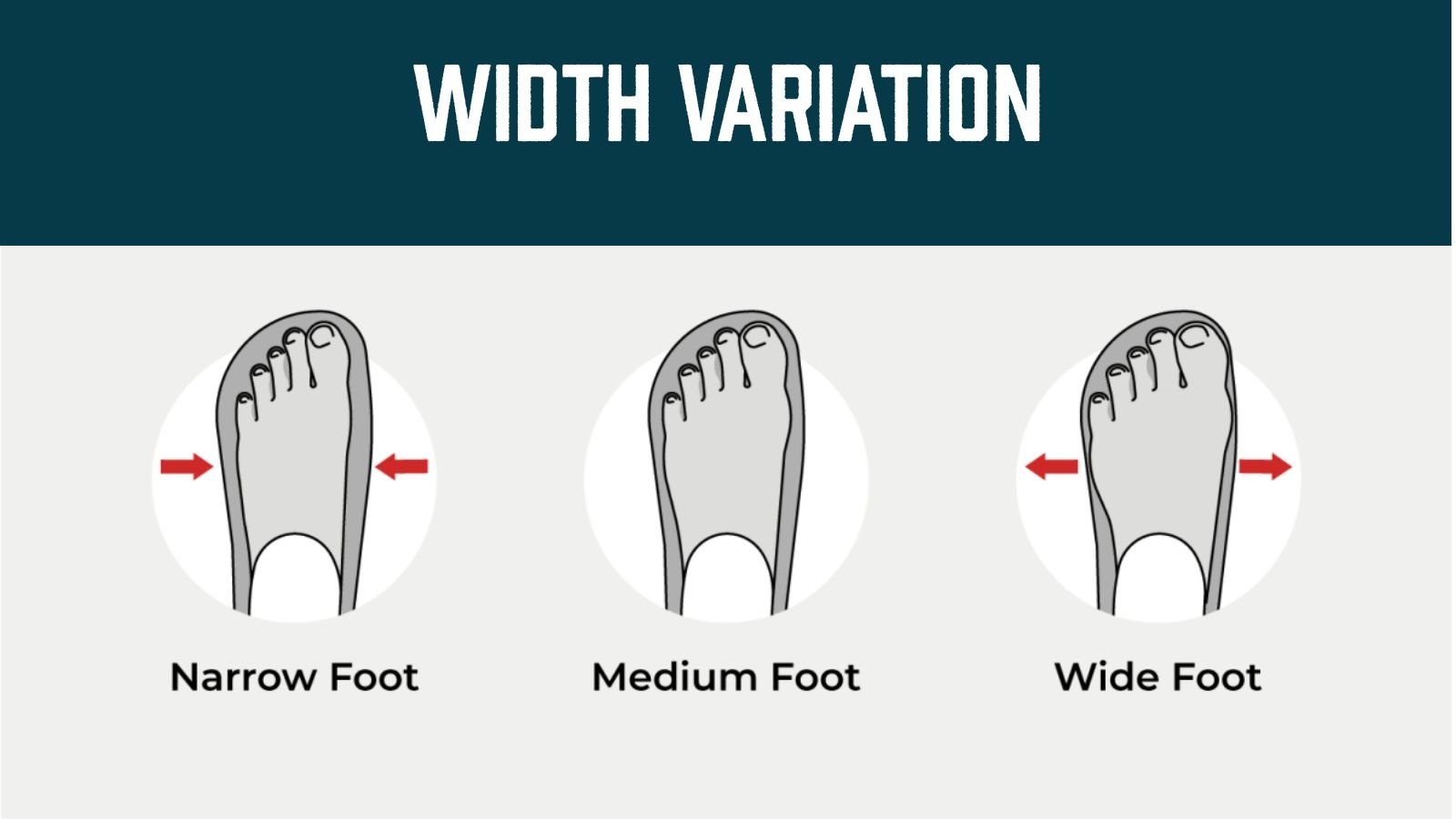
Many people focus solely on shoe length and forget about width. Shoes that are too narrow squeeze your feet, leading to blisters and cramped toes. On the other hand, shoes that are too wide can cause instability and increase the risk of slipping inside the shoe.
Think about how your foot feels after a few miles—does it feel pinched or loose? If you haven’t measured your foot width recently, now is the time. Shoe brands often offer different width options, so don’t hesitate to ask for a wider or narrower fit.
Overlooking Toe Space
Failing to leave enough room at the toe box is a mistake many make, especially when buying shoes that feel snug at first. Your toes need space to move naturally, especially when running or jumping. Without enough room, you risk developing black toenails or painful calluses.
A simple test is to check if you can wiggle your toes comfortably inside the shoe. If your toes hit the front or feel cramped, try a half size larger or look for shoes with a wider toe box. Remember, your feet swell during activity, so a little extra space can make a big difference.
Signs Of A Poor Fit
Knowing the signs of a poor fit can save you from discomfort and injury. Athletic shoes that don’t fit well affect your performance and foot health. Paying attention to these warning signs early helps you adjust your choice before problems worsen.
Blisters And Calluses
Blisters often appear when shoes rub against your skin repeatedly. This friction causes painful fluid-filled bumps that slow you down. Calluses form when pressure from tight spots makes your skin harden over time, signaling your shoe’s fit is off.
If you notice blisters after a run or workout, check if your shoes feel too tight or loose. Sometimes, a slightly larger size or different lacing technique prevents this. Don’t ignore these signs—they mean your feet are struggling.
Foot Pain
Sharp or dull foot pain after wearing your shoes is a major red flag. Pain under your toes, along the arch, or around your heel can mean the shoe is not supporting your foot properly. It might be too narrow, too flat, or lack cushioning where you need it most.
Think about your last workout: did you feel any discomfort that lingered afterward? This discomfort can build up and cause long-term issues like plantar fasciitis or joint problems. Your feet deserve shoes that protect and comfort every step.
Consulting With Experts
Choosing the right fit for your athletic shoes can be tricky. Sometimes, the perfect fit isn’t obvious until you get professional eyes on your feet. Consulting with experts can save you from discomfort and injury by ensuring your shoes match your foot shape, activity level, and specific needs.
Professional Shoe Fitting Services
Professional shoe fitters offer more than just measuring your foot length. They analyze your foot width, arch type, and pressure points using specialized tools. Some stores even have gait analysis technology to observe how you walk or run, helping pinpoint the best shoe design for you.
Visiting a fitting service can feel like an investment in your foot health. I once ignored this advice and bought shoes based on style alone. After days of pain, a professional fitting revealed my feet needed extra support and a wider toe box.
Don’t hesitate to ask fitters questions like:
- Which shoe styles best support my foot shape?
- Do I need insoles or orthotics?
- How much room should I leave in the toe area?
Advice From Podiatrists
Podiatrists specialize in foot health and can offer tailored advice for your athletic shoe needs. They can identify underlying issues such as flat feet, plantar fasciitis, or heel spurs that influence shoe choice.
Having a podiatrist’s input can prevent small problems from becoming painful injuries. They often recommend brands or models known for specific features like extra cushioning or motion control.
Think about your foot pain or discomfort. Could expert advice help you avoid worsening these issues? A podiatrist can guide you in selecting shoes that support healing and performance simultaneously.
Innovations In Shoe Design
Athletic shoe design has evolved dramatically, focusing on how the shoe fits your foot rather than just how it looks. Designers now prioritize comfort, support, and adaptability to match your unique needs. These innovations directly impact how well your shoes perform during exercise and everyday wear.
Customizable Features
Today’s athletic shoes often come with customizable options to ensure a better fit. You can adjust lacing systems, insoles, and even arch supports to match your foot’s shape. Some brands offer 3D scanning to create shoes tailored to your exact measurements.
Have you ever worn shoes that felt perfect right out of the box? That’s often the result of these customizable features. They prevent common issues like blisters or pressure points by giving you control over the shoe’s fit. This means less discomfort and better performance during your activities.
Technological Advances
Technology plays a huge role in improving athletic shoe fit. Materials like memory foam and breathable fabrics adapt to your foot’s movement and temperature. Advanced cushioning systems reduce impact, protecting your joints and enhancing comfort.
Some shoes now include sensors that track your movement and provide feedback to help you improve your form. Imagine a shoe that not only fits well but also helps you run smarter and prevent injury. Would you consider investing in shoes that offer this kind of technology?

Credit: www.youtube.com
Frequently Asked Questions
How Tight Should Athletic Shoes Fit?
Athletic shoes should fit snugly but not too tight. There should be about a thumb’s width of space at the toe. The heel should stay secure without slipping. Proper fit prevents blisters and discomfort during activities.
Can Athletic Shoes Be Too Loose?
Yes, shoes that are too loose can cause instability and increase injury risk. Loose shoes may lead to blisters and foot pain. A secure fit ensures better support and comfort while exercising.
When Is The Best Time To Try On Athletic Shoes?
Try on athletic shoes in the afternoon or evening. Feet tend to swell throughout the day, so this ensures a more accurate fit. Always wear the socks you plan to use with the shoes.
How Do I Check If Athletic Shoes Fit Correctly?
Check for about a thumb’s width space at the toes. Ensure the heel fits snugly without slipping. Walk or jog briefly to confirm comfort and support. Shoes should feel stable without tight spots.
Conclusion
Choosing the right fit for athletic shoes matters a lot. Shoes that fit well keep your feet safe and comfortable. Always check the length, width, and how they feel when you walk. Remember, your feet need space to move but not too loose.
Trying shoes on at the end of the day helps find the best fit. Good fit means better performance and less chance of injury. Take your time and trust your comfort. Your feet will thank you.