How Does the Fitness App Work: Unlock Your Ultimate Workout Guide
Have you ever wondered how a fitness app actually works to help you reach your health goals? Whether you want to lose weight, build muscle, or simply stay active, understanding how these apps track your progress and keep you motivated can make a huge difference.
Imagine having a personal coach right in your pocket, guiding you every step of the way. You’ll discover exactly how fitness apps gather data, create plans tailored to you, and keep you on track—making your fitness journey easier and more effective than ever before.
Keep reading to unlock the secrets behind these powerful tools and see how they can transform your routine.

Credit: appsexpert.medium.com
Getting Started With Fitness Apps
Getting started with a fitness app is simpler than you might think. These apps are designed to fit seamlessly into your daily routine, offering guidance and tracking to help you stay motivated. The first steps set the tone for your experience, so it’s important to get them right.
Downloading And Installing
Begin by choosing a fitness app that matches your goals—whether it’s weight loss, strength training, or overall wellness. Visit your device’s app store and search for the app by name.
- Tap the download button to start the installation.
- Ensure you have a stable internet connection for a smooth download.
- Check the app’s reviews and ratings to confirm it fits your needs.
Once installed, open the app and allow any necessary permissions, such as access to your health data or location. These permissions help the app provide personalized feedback and accurate tracking.
Creating Your Profile
After installation, the next step is setting up your profile. This is where the app learns about you to tailor workouts and recommendations effectively.
- Enter basic details like age, weight, height, and fitness goals.
- Some apps ask about your activity level or any health conditions.
- Add preferences such as workout type, available equipment, or time constraints.
Think about what motivates you. Are you driven by progress charts, rewards, or social sharing? Many apps let you customize notifications to keep you engaged without feeling overwhelmed.
Have you ever stopped using a fitness app because it felt generic or irrelevant? Taking a moment to personalize your profile can prevent that. It creates a more engaging, supportive experience tailored just for you.

Credit: medium.com
Features Of Fitness Apps
Fitness apps come loaded with features designed to make your workout journey smoother and more effective. They do more than just count steps or calories—they provide tools that help you stay motivated and informed every day. Understanding these features helps you pick the right app and get the most out of it.
Workout Plans And Routines
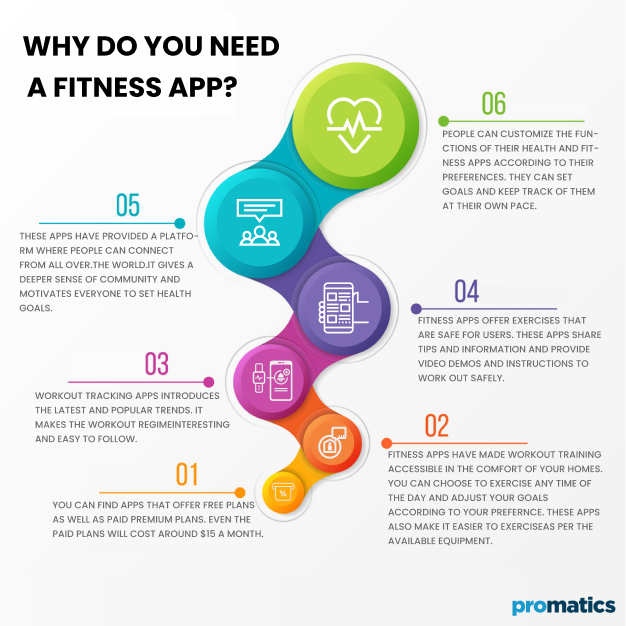
Most fitness apps offer a variety of workout plans tailored to different goals—whether you want to build muscle, lose weight, or improve endurance. These plans often include video demonstrations and clear instructions, so you can perform exercises correctly and safely.
You can usually customize your routine based on your fitness level, available equipment, and time. This flexibility means you’re not stuck with a one-size-fits-all approach. Have you ever struggled to know which exercises suit your goals? These plans take that guesswork away.
Tracking Progress
Tracking your progress is a key feature that keeps you accountable. Fitness apps let you log workouts, monitor your weight, body measurements, and even track your heart rate or calories burned through integration with wearable devices.
Seeing your improvements over time can be a powerful motivator. It also helps you identify what’s working and what isn’t, so you can adjust your routine. Do you know exactly how much progress you’ve made since you started? This feature ensures you do.
Nutritional Guidance
Many fitness apps include nutritional tools to complement your workouts. You can log meals, track calories, and get suggestions on macronutrient intake like proteins, fats, and carbs.
Some apps provide recipes and meal plans tailored to your fitness goals, making healthy eating less overwhelming. Nutrition plays a huge role in results—have you ever wondered if your diet is holding you back? These insights can give you a clearer picture.
Customizing Your Fitness Journey
Customizing your fitness journey is key to staying motivated and making real progress. Every person’s body, schedule, and preferences are different, so a one-size-fits-all approach rarely works. Fitness apps understand this and offer ways to tailor your experience to fit your unique needs.
Setting Goals
When you start using a fitness app, the first thing you’ll usually do is set your goals. These could be anything from losing weight, building muscle, improving endurance, or simply staying active. The app will often ask you specific questions like your current fitness level, target weight, or preferred workout days.
Setting clear and realistic goals helps you focus your efforts. For example, I once set a goal to run a 5K in under 30 minutes. The app then adjusted my daily workouts and suggested running intervals based on that target. Without this clarity, workouts can feel random and less motivating.
Personalizing Workouts
Once your goals are set, the app personalizes your workouts to match them. You can usually choose workout types you enjoy, such as strength training, yoga, or HIIT. Many apps let you adjust intensity levels or duration to fit your schedule and energy.
The best part is how these apps adapt as you improve. If a workout feels too easy or too hard, you can tweak settings or the app will automatically suggest changes. This ongoing personalization keeps you challenged without feeling overwhelmed.
- Choose exercises that match your preferences and any physical limitations.
- Adjust workout length to fit busy days or longer sessions on weekends.
- Track progress to see which workouts bring the best results.
Have you ever felt stuck doing the same routine? Personalizing your workouts can keep your fitness journey fresh and exciting. What small change could you make today to better fit your lifestyle?
Interactive And Social Elements
The interactive and social features of fitness apps make workouts feel less like a chore and more like a shared experience. These elements invite you to connect, compete, and celebrate progress with others, making your fitness journey more motivating and fun.
Community Engagement
Fitness apps create spaces where you can join groups based on your interests or goals. These communities let you share tips, ask questions, and cheer each other on. Engaging with others who understand your struggles can boost your commitment and make you feel supported.
Imagine posting about your first 5K run and receiving instant encouragement from people you’ve never met. This kind of interaction can push you to set new goals and keep going on tough days. How often do you find motivation from a friend’s message or a shared success story?
Virtual Challenges
Many apps offer virtual challenges that turn exercise into a game. You can sign up for step-count contests, cycling races, or even yoga streaks. These challenges provide clear targets and deadlines, helping you stay focused and accountable.
Joining a challenge lets you compete with others or even with yourself. Tracking your progress alongside peers adds excitement and a sense of achievement. Have you ever surprised yourself by finishing a challenge you thought was too hard?
Technology Behind Fitness Apps
Fitness apps rely on advanced technology to provide accurate and personalized workout guidance. They gather and analyze data from users to create effective fitness plans. The technology adapts to each user’s progress and needs, making workouts more efficient and enjoyable.
Data Analytics
Data analytics plays a key role in fitness apps. The app collects information like steps, heart rate, and calories burned. It then processes this data to show trends and patterns. Users get insights on their performance and areas for improvement. Data analytics helps tailor workouts to match fitness levels and goals.
Ai And Machine Learning
Artificial intelligence (AI) and machine learning improve app personalization. These technologies learn user habits and preferences over time. The app suggests workouts that fit the user’s routine and progress. AI can also predict challenges and recommend adjustments. Machine learning allows the app to become smarter with every workout.
Maximizing The Benefits
Maximizing the benefits of a fitness app involves more than just downloading it. It requires active participation and smart habits. Using the app effectively helps achieve fitness goals faster and more enjoyably. Understanding how to stay motivated and maintain consistency plays a key role in this process.
Staying Motivated
Motivation drives regular use of the fitness app. Setting small, clear goals keeps users focused. Tracking progress through app features shows improvement over time. Celebrating milestones boosts confidence and desire to continue.
Using reminders from the app helps create a workout habit. Joining app communities offers support and encouragement. Sharing achievements with friends adds a fun challenge element.
Achieving Consistency
Consistency is crucial to see real results from the fitness app. Scheduling workouts at the same time daily builds routine. Starting with short sessions prevents burnout and increases commitment.
Using app notifications helps avoid skipping workouts. Mixing different exercises keeps the routine interesting. Reviewing weekly stats allows adjustment of goals and plans.
Choosing The Right Fitness App
Choosing the right fitness app makes your workout easier and more fun. It helps you stay motivated and track progress clearly. Different apps offer various tools, so picking one that fits your needs is important.
Comparing Features
Look for features that match your fitness goals. Some apps focus on running, others on yoga or strength training. Check if the app has:
- Customizable workout plans
- Progress tracking with charts
- Video or audio instructions
- Integration with other devices
- Nutrition and diet support
Pick an app with clear, simple features that you will use daily.
Reading Reviews
Reviews show real user experiences. Read many reviews to find common pros and cons. Look for comments about:
- App ease of use
- Accuracy of tracking
- Customer support quality
- Frequency of updates and fixes
- Hidden costs or ads
Choose apps with mostly positive feedback and helpful developer responses.

Credit: www.vtnetzwelt.com
Frequently Asked Questions
How Does A Fitness App Track My Workouts?
A fitness app uses sensors or manual input to record your exercises. It tracks duration, calories burned, and heart rate. This data helps monitor progress and adjust workout plans for better results.
Can Fitness Apps Customize Workout Plans For Me?
Yes, most fitness apps analyze your goals and fitness level. They create personalized workout routines based on your preferences and progress. This customization improves motivation and workout effectiveness.
How Do Fitness Apps Motivate Users To Stay Active?
Fitness apps use reminders, progress tracking, and rewards. They offer challenges, badges, and social sharing to encourage consistency. These features help maintain motivation and build healthy habits.
Are Fitness Apps Compatible With Wearable Devices?
Most fitness apps sync seamlessly with popular wearables like smartwatches and fitness bands. This integration provides real-time data for better accuracy and enhanced tracking of your activities.
Conclusion
Fitness apps help track your workouts and progress easily. They offer plans and tips to keep you motivated. Using one can make exercise more fun and simple. You control your goals and pace every day. These apps fit into busy schedules without much effort.
Try using a fitness app to stay active and healthy. Small steps add up to big changes over time. Keep moving, and enjoy the journey to better fitness.