How Does a Compression Fitting Work: The Ultimate Guide Explained
Have you ever wondered what keeps your plumbing connections tight and leak-free without the need for soldering or glue? Understanding how a compression fitting works can save you time, money, and frustration when tackling home repairs or projects.
You’ll discover the simple yet clever mechanism behind compression fittings and learn why they’re a go-to choice for many professionals and DIYers alike. Keep reading to unlock the secrets of these small but powerful components and make your next plumbing task easier than ever.
Credit: www.familyhandyman.com
Basics Of Compression Fittings
Compression fittings are simple yet effective connectors used in plumbing and gas lines. They join two pipes or a pipe to a fixture without soldering or welding. This makes installation quick and clean. Understanding the basics helps in choosing and using them properly.
Definition And Purpose
A compression fitting joins pipes by compressing a ring around the pipe ends. The ring, called a ferrule, fits between the pipe and the fitting body. Tightening the fitting compresses the ferrule, creating a tight seal. This prevents leaks in water, gas, or air lines. It works well for repairs and installations where heat cannot be used.
Common Materials Used
Compression fittings come in various materials based on their use. Common materials include:
- Brass:Durable and resistant to corrosion, ideal for water and gas lines.
- Copper:Often used in plumbing for its good thermal conductivity.
- Plastic (PVC or Nylon):Lightweight and corrosion-resistant, used in low-pressure applications.
- Stainless Steel:Strong and corrosion-resistant, used in high-pressure or harsh environments.
Choosing the right material ensures a reliable and long-lasting connection.
Components Of A Compression Fitting
A compression fitting consists of several parts that work together to create a tight seal. Each component plays a key role in preventing leaks and ensuring a secure connection. Understanding these parts helps explain how compression fittings function effectively.
Compression Nut
The compression nut is a threaded piece that screws onto the fitting body. It applies pressure to the ferrule, pushing it against the pipe. This tightening action creates the seal that stops leaks. The nut also holds the fitting parts firmly in place.
Ferrule Or Olive
The ferrule, also called an olive, is a small ring usually made of metal. It fits around the pipe and gets compressed by the nut. This compression causes the ferrule to squeeze tightly onto the pipe surface. The ferrule’s grip prevents water or gas from escaping.
Fitting Body
The fitting body connects two pipes or a pipe to a fixture. It has a smooth inner surface where the pipe inserts. The body also holds the ferrule and nut in proper position. It forms the main structure of the compression fitting and directs flow.
Installation Process
Installing a compression fitting might seem straightforward, but each stage requires careful attention to detail. The success of your connection depends on how well you prepare the tube, assemble the fitting, and tighten it. Skipping or rushing through any part can lead to leaks or weak joints that cause headaches later.
Preparing The Tube
Start by cutting the tube cleanly and squarely. A jagged or angled cut can prevent the fitting from sealing properly. Use a pipe cutter designed for your tube material to avoid deforming the tube walls.
Next, remove any burrs or sharp edges from the cut end. This smooth finish helps the compression ring sit evenly and prevents damage during tightening. Have you noticed how even a tiny burr can cause water to drip? That’s why this step matters.
Assembling The Fitting
Slide the compression nut onto the tube first, followed by the compression ring (also called a ferrule). Make sure the ring is positioned correctly—usually about a quarter inch from the tube end.
Then, push the tube fully into the fitting body until it stops. This ensures the ferrule is aligned where it needs to be to create a proper seal. If you don’t push it in all the way, the fitting won’t grip the tube securely.
Tightening Techniques
Hand-tighten the compression nut until it’s snug. Then, use a wrench to tighten it further—usually about one-half to three-quarters of a turn. Over-tightening can crush the tube or damage the ferrule, while under-tightening leads to leaks.
Here’s a tip from my own experience: tighten gradually and test for leaks before finishing. If you find any drip, give it a little more turn. How often have you been surprised by a leak hours after thinking you finished perfectly?

Credit: www.amazon.com
Types Of Compression Fittings
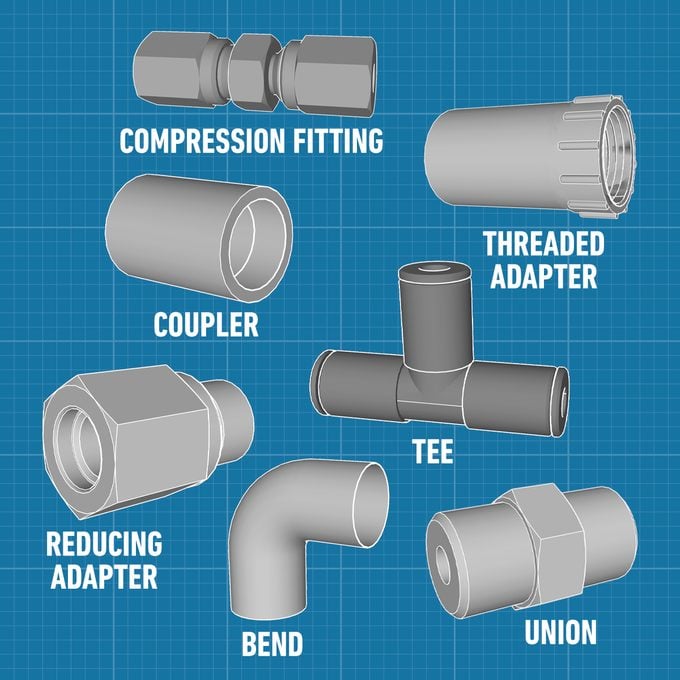
Compression fittings come in various types, each designed for specific uses and pipe materials. Understanding these types helps you choose the right fitting for your plumbing or gas line project. Different fittings offer different ways to connect pipes securely without soldering.
Standard Compression Fittings
Standard compression fittings use a ring called a ferrule to seal the pipe. The ferrule fits around the pipe and tightens against the fitting body. This creates a strong, leak-proof connection. These fittings work well with copper, plastic, and steel pipes. They are common in water supply lines and simple plumbing repairs.
Flare Compression Fittings
Flare compression fittings use a flared end on the pipe for sealing. The pipe end is shaped with a special tool to flare outward. The fitting then presses against this flare to form a tight seal. These fittings handle higher pressure and are common in gas lines and refrigeration systems. They provide a secure connection that resists vibrations and temperature changes.
Push-to-connect Fittings
Push-to-connect fittings allow quick and easy connections without tools. The pipe simply pushes into the fitting and locks in place. These fittings use internal teeth and O-rings to seal and hold the pipe. They work with various pipe materials like copper, PEX, and CPVC. Push-to-connect fittings save time and reduce installation errors.
Applications In Various Industries
Compression fittings serve many purposes across different industries. Their simple design offers a reliable way to join pipes and tubes. These fittings help create leak-free connections without welding or soldering. Their versatility makes them useful in many settings.
Plumbing Systems
Compression fittings connect pipes in homes and buildings. They handle water supply lines efficiently. These fittings are easy to install and replace, saving time for plumbers. They work well with copper, plastic, and metal pipes. The tight seal prevents water leaks and damage.
Gas Lines
Safety is key in gas line connections. Compression fittings provide a secure link between gas pipes. They maintain pressure and prevent gas leaks. These fittings meet strict safety standards for natural gas and propane systems. They allow for quick repairs and adjustments without special tools.
Hydraulic Systems
Hydraulic systems rely on strong, leak-proof joints. Compression fittings offer high-pressure resistance in these systems. They connect tubes carrying oil or fluid power. The fittings ensure smooth operation of machinery and equipment. Maintenance is easier due to their reusable design.
Advantages And Disadvantages
Understanding the advantages and disadvantages of compression fittings can help you decide if they are the right choice for your plumbing or gas line projects. These fittings offer unique benefits but also come with limitations that might affect their suitability in certain situations. Let’s break down what you gain and what you risk when using compression fittings.
Benefits Of Using Compression Fittings
- Easy Installation:Compression fittings don’t require soldering or special tools, making them ideal for quick repairs or DIY projects. You simply slide the fitting onto the pipe and tighten the nut.
- Reusable:Unlike some fittings that need to be cut or replaced after removal, compression fittings can be taken apart and reused without losing their sealing ability.
- Strong Seal:When tightened properly, these fittings create a reliable, leak-resistant connection suitable for both water and gas lines.
- Versatility:They work well with different types of piping materials like copper, plastic, and steel, giving you flexibility in your projects.
- No Heat Required:This makes them safer to use in tight spaces or near flammable materials where soldering could be risky.
Potential Drawbacks
- Risk of Over-tightening:If you tighten the nut too much, it can deform the pipe or fitting, causing leaks or damage.
- Not Ideal for High Pressure:Compression fittings may not hold up well under extremely high-pressure systems compared to welded or soldered joints.
- Periodic Maintenance:Over time, the fittings might loosen and require re-tightening, especially in systems with vibration or temperature changes.
- Size Limitations:For larger diameter pipes, compression fittings can be bulky and harder to install, which might affect your project’s design.
- Cost Factor:They can be more expensive than simple push-fit or glued fittings, which might add up in large-scale installations.
Have you ever faced a leak after tightening a fitting too much? It’s a common mistake that highlights why knowing the limits of compression fittings matters. Are you ready to weigh these pros and cons before making your next plumbing decision?
Maintenance And Troubleshooting
Keeping your compression fittings in good shape is key to avoiding leaks and ensuring smooth operation. Regular maintenance and quick troubleshooting can save you from costly repairs and downtime. Let’s look at how you can spot problems early and fix common issues before they escalate.
Identifying Leaks
Leaks often start small and go unnoticed until they cause damage. Check around the fitting for any signs of moisture or corrosion. Even tiny droplets or dampness can indicate a leak.
Listen closely for any hissing sounds near the joint—this could mean gas or air is escaping. Another trick is to apply a soap solution to the fitting; bubbles will form if there’s a leak.
Regular Inspection Tips
- Inspect fittings every few months, especially in high-pressure or outdoor systems.
- Look for worn or cracked compression rings and replace them promptly.
- Ensure nuts are tightened but not over-tightened, as overtightening can damage components.
- Keep the area clean from dirt and debris that might interfere with the seal.
Ask yourself: have you checked your fittings recently? Neglect can lead to unexpected failures.
Common Issues And Solutions
| Issue | Cause | Solution |
|---|---|---|
| Leak at the fitting | Loose nut or damaged ring | Tighten nut gently; replace ring if worn |
| Fitting difficult to tighten | Corrosion or debris | Clean threads and apply light lubricant |
| Frequent leaks despite tightening | Incorrect ring size or damaged pipe | Replace ring with correct size; inspect pipe condition |
Have you experienced stubborn leaks? Sometimes, the right replacement parts make all the difference. Don’t ignore persistent issues; they often point to deeper problems that require a closer look.
Credit: tameson.com
Frequently Asked Questions
What Is The Main Purpose Of A Compression Fitting?
A compression fitting connects two pipes or tubes securely without soldering. It ensures a leak-proof seal using a compression ring and nut, ideal for plumbing and gas lines. It offers easy installation and maintenance in tight spaces.
How Does A Compression Fitting Create A Seal?
It creates a seal by tightening the nut, which compresses the ring onto the pipe. This compression deforms the ring slightly, gripping the pipe tightly. The pressure stops fluid or gas leaks, ensuring a reliable connection.
Where Are Compression Fittings Commonly Used?
Compression fittings are used in plumbing, gas lines, and hydraulic systems. They are ideal for connecting copper, plastic, or steel pipes. Their ease of installation and leak-proof seal make them popular in residential and commercial applications.
Can Compression Fittings Be Reused After Removal?
Compression fittings can sometimes be reused, but it’s not always recommended. The compression ring may deform, reducing sealing efficiency. For a reliable seal, it’s best to replace the ring and fitting after removal.
Conclusion
A compression fitting joins pipes without soldering or glue. It uses a ring to seal tightly. This design stops leaks and holds pipes firmly. You can easily install or remove it with tools. Its simple parts make repairs fast and clean.
Knowing how it works helps in plumbing tasks. It saves time and avoids mess. Compression fittings suit many home and industrial uses. Understanding them makes your work easier and safer.