How Do Sports Affect Mental Health: Unlocking Powerful Benefits
Have you ever noticed how good you feel after playing a sport or even just watching a game? Sports aren’t just about physical strength or competition—they can have a powerful impact on your mind too.
Whether you’re an athlete or someone who enjoys being active now and then, understanding how sports affect your mental health can change the way you approach your daily routine. You’ll discover surprising ways that sports can boost your mood, reduce stress, and even help you build better habits.
Keep reading to learn how making sports a part of your life could be the key to a healthier, happier mind.
Physical Activity And Brain Function
Physical activity has a direct impact on how your brain works. Engaging in sports doesn’t just improve your body—it changes your mind too. Understanding this connection can help you use sports to boost your mental health effectively.
How Exercise Boosts Brain Chemicals
When you play sports, your brain releases chemicals like endorphins and dopamine. These act as natural mood lifters and pain relievers. You might have felt a “runner’s high” after a good game—that’s your brain’s reward system kicking in.
These chemicals help reduce stress and anxiety. They also improve your ability to focus and stay motivated. Think about the last time you felt really good after exercising—those feelings are powered by these brain chemicals.
Impact On Memory And Learning
Sports don’t just make you physically stronger—they help your brain learn better. Physical activity increases blood flow to the brain, which helps new brain cells grow, especially in areas related to memory.
Playing sports regularly can improve your attention span and problem-solving skills. This is why students who stay active often perform better in school. What new skill could you master if your brain worked at its best?
Reducing Symptoms Of Depression And Anxiety
Physical activity through sports helps lower symptoms of depression and anxiety. Movement changes how your brain processes emotions, making it easier to handle daily stress.
Many people find sports a useful tool alongside therapy or medication. If you’re struggling with mood, adding regular physical activity might shift how you feel each day. What small step can you take to move more?
Improving Sleep Through Sports
Good sleep is essential for mental health, and sports can help you get it. Physical activity helps regulate your sleep patterns, making it easier to fall asleep and stay asleep longer.
Better sleep improves your mood, memory, and energy levels. If you find yourself tossing and turning at night, adding sports to your routine could change that. How would better sleep impact your mental clarity?
Stress Reduction Through Sports
Sports play a key role in reducing stress. Physical activity helps clear the mind and calm the body. Engaging in sports offers a healthy way to manage daily pressures and worries.
Exercise triggers the release of chemicals in the brain that improve mood. This natural boost helps lower feelings of anxiety and tension. Regular participation in sports can lead to a more balanced emotional state.
Physical Activity Lowers Stress Hormones
Sports help reduce levels of cortisol, the main stress hormone. Lower cortisol means less tension and a calmer body. Moving the body also increases endorphins, which act as natural painkillers.
Improved Sleep Supports Mental Health
Playing sports improves sleep quality. Good sleep helps the brain recover from stress. It also enhances focus and energy levels for the next day.
Distraction From Worries And Negative Thoughts
Sports provide a break from daily stressors. Focusing on the game or activity shifts attention away from problems. This mental break reduces overthinking and promotes relaxation.
Social Interaction Reduces Loneliness
Many sports involve teamwork and socializing. Connecting with others offers emotional support and reduces feelings of isolation. Positive social bonds increase happiness and lower stress.
Building Confidence Through Skill Development
Learning new skills in sports boosts self-esteem. Success in sports creates a sense of achievement. Feeling capable helps reduce stress and build resilience.
Impact On Mood And Emotions
Sports play a significant role in shaping mood and emotions. Physical activity triggers changes in the brain that help improve how people feel. These changes can lead to greater happiness and emotional balance. Understanding this impact helps highlight the importance of regular exercise for mental well-being.
Boosting Endorphins
Exercise stimulates the release of endorphins, natural chemicals in the brain. These chemicals create feelings of pleasure and reduce pain. Endorphins act as natural mood lifters, often called “feel-good” hormones. Playing sports regularly helps maintain higher endorphin levels, which supports a positive mood throughout the day.
Decreasing Anxiety And Depression
Engaging in sports reduces symptoms of anxiety and depression. Physical activity lowers stress hormones like cortisol and adrenaline. It also promotes relaxation and calmness. Regular exercise improves sleep patterns, which further aids mental health. Sports provide a healthy distraction from worries and negative thoughts, helping to clear the mind.
Social Connection And Team Dynamics
Social connection and team dynamics play a crucial role in how sports influence mental health. Being part of a team creates a sense of belonging that many people crave. This connection extends beyond the game, helping you build supportive relationships that can improve your mood and reduce feelings of loneliness.
Building Community
Joining a sports team instantly plugs you into a community. You share goals, challenges, and victories with others, which strengthens your bond. This sense of community can act as a buffer against stress and anxiety.
Think about the last time you celebrated a win with your teammates. That shared joy creates memories and trust, which are key ingredients for mental well-being. When you feel part of a group, your self-esteem often rises too.
Have you noticed how being around supportive teammates makes tough days easier? The community built through sports can provide emotional support when you need it most.
Enhancing Communication Skills
Sports require constant communication, whether it’s calling a play or encouraging a teammate. These interactions improve your ability to express yourself clearly and listen actively.
Better communication skills don’t stay on the field—they help in everyday life too. You learn how to handle feedback and resolve conflicts, which can reduce misunderstandings and stress.
Imagine the confidence boost when you successfully lead a team discussion or motivate others during a game. These moments sharpen your social skills and help you connect more deeply with people outside sports.
Self-esteem And Personal Growth
Sports play a vital role in building self-esteem and encouraging personal growth. They push individuals to face new challenges and develop confidence. Taking part in sports helps people see their strengths and improve their skills. This process grows a positive self-image and a sense of achievement.
Overcoming Challenges
Sports often present difficult situations that test mental strength. Facing tough opponents or recovering from failure builds resilience. Each challenge overcome adds to a person’s confidence. Learning to handle pressure and setbacks helps in daily life too. This growth in mental toughness boosts self-esteem significantly.
Setting And Achieving Goals
In sports, setting clear goals is crucial. These goals can be simple, like improving a skill or winning a match. Achieving these goals gives a strong feeling of success. It teaches discipline and focus. Reaching milestones in sports encourages people to set higher goals in life. This cycle of setting and reaching targets supports steady personal growth.

Credit: www.instagram.com
Mindfulness And Focus
Mindfulness and focus are key mental benefits you gain from playing sports. When you engage in physical activity, your brain shifts away from daily worries and zeroes in on the present moment. This focused attention can improve your ability to stay calm and concentrated in other areas of life.
Sports require you to be aware of your body, movements, and surroundings simultaneously. This constant mental engagement trains your brain to maintain focus even under pressure. Have you ever noticed how athletes seem to block out distractions and stay locked in during a game? That’s mindfulness in action.
How Sports Enhance Mental Presence
Sports demand your full attention, which helps you practice being mentally present. Whether tracking a ball or anticipating an opponent’s move, your brain stays alert. This builds mental stamina, making it easier to concentrate in stressful or distracting situations outside of sports.
Training Your Brain To Focus
Repeated sports practice strengthens neural pathways related to attention and concentration. This means your brain becomes better at filtering out irrelevant information. You can apply this skill to work or studies, improving your productivity and reducing mental fatigue.
Mindfulness Techniques Found In Sports
- Controlled breathing during exertion helps regulate emotions.
- Visualization of plays or movements enhances mental clarity.
- Moment-to-moment awareness improves reaction time.
These techniques help you stay calm and focused, which benefits your overall mental health. Imagine using these same strategies when facing daily challenges—how much easier would your stress feel to manage?
Long-term Mental Health Benefits
Engaging in sports regularly offers lasting benefits for mental health. It builds strong habits that support emotional well-being over time. These benefits help maintain a balanced mind and improve overall life quality.
Consistency And Routine
Playing sports creates a daily or weekly rhythm. This routine provides structure, which many find calming and grounding. Consistency in physical activity helps reduce stress levels and boosts mood. It also sharpens focus and strengthens self-discipline. Over time, these habits lead to a more stable mental state.
Preventing Mental Health Disorders
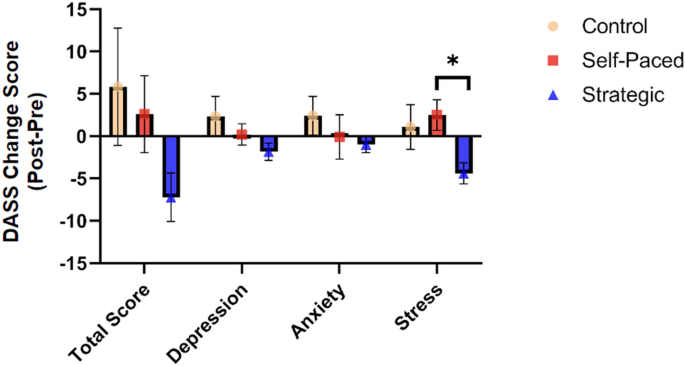
Regular sports participation lowers the risk of anxiety and depression. Physical activity releases chemicals that improve brain function and mood. It also helps control negative thoughts and emotional swings. Sports encourage social interaction, which reduces feelings of loneliness. These factors work together to protect mental health over the long term.
Credit: www.nature.com

Credit: m.facebook.com
Frequently Asked Questions
How Does Playing Sports Improve Mental Health?
Playing sports boosts mood by releasing endorphins and reducing stress. It improves focus, promotes better sleep, and enhances self-esteem through achievement and teamwork.
Can Sports Reduce Symptoms Of Anxiety And Depression?
Yes, regular sports activity lowers anxiety and depression by increasing serotonin levels. Physical movement helps regulate emotions and provides a positive outlet for stress.
What Mental Health Benefits Come From Team Sports?
Team sports build social connections, reduce feelings of loneliness, and improve communication skills. They foster a sense of belonging and support mental resilience.
How Does Exercise In Sports Affect Brain Function?
Exercise increases blood flow to the brain, enhancing memory and cognitive function. It stimulates growth of new brain cells and improves overall mental clarity.
Conclusion
Sports help improve mood and reduce stress quickly. They boost confidence and create a sense of belonging. Playing regularly keeps the mind sharp and focused. Team activities teach cooperation and build social skills. Even light exercise can lift spirits and fight anxiety.
Mental health benefits come from both fun and effort. Everyone can find joy and peace through sports. Try adding some physical activity to your routine. Feel the positive change in your mind and life.