
How Do Compression Fittings Work: Ultimate Guide to Seamless Connections
Have you ever wondered how your plumbing stays leak-free without messy glue or complicated tools? Compression fittings might be the simple solution you’ve been looking for.
These small but powerful connectors hold pipes together tightly and securely, making your repairs or installations easier than you imagined. If you want to understand how compression fittings work and why they’re so reliable, keep reading. You’ll discover how they create a strong seal, save you time, and make your DIY projects smoother than ever.

Credit: alpinehomeexperts.com
Basics Of Compression Fittings
Understanding the basics of compression fittings helps you handle plumbing tasks with confidence. These fittings create a tight seal without needing soldering or welding. They’re widely used in water, gas, and hydraulic systems because they’re simple yet effective.
What Are Compression Fittings Made Of?
Compression fittings typically consist of three main parts:
- Compression Nut:This screws onto the fitting body and tightens the assembly.
- Compression Ring (Ferrule):A small ring that compresses onto the pipe to create a seal.
- Fitting Body:The main connector that joins pipes or tubes.
Materials vary from brass to plastic, depending on the application. Brass is common for durability and corrosion resistance, while plastic is used for lightweight or non-metallic pipes.
How Does The Compression Process Work?
When you tighten the compression nut, it pushes the ferrule against the pipe and fitting body. This action compresses the ferrule, causing it to grip the pipe tightly.
The ferrule then deforms slightly, creating a watertight or airtight seal around the pipe. This mechanical grip holds the pipe in place and prevents leaks.
Have you ever noticed how a slightly loose fitting can cause drip issues? Proper compression ensures a strong seal without overtightening, which can damage the parts.
Where Are Compression Fittings Commonly Used?
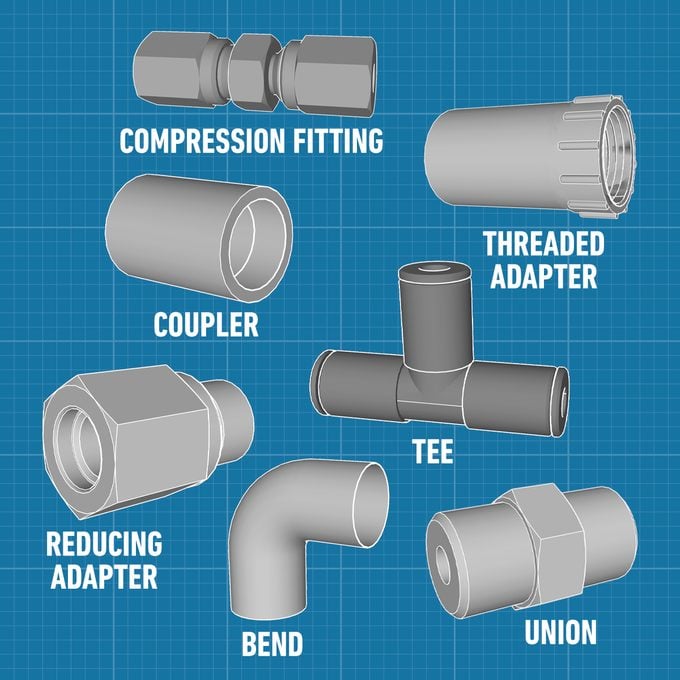
Compression fittings are popular in both residential and industrial settings. You’ll find them in:
- Water supply lines under sinks and appliances
- Gas piping for stoves and heaters
- Hydraulic systems in machinery
They’re especially handy when you want a quick, reliable connection without special tools. Have you tried fixing a plumbing leak without soldering? Compression fittings make that possible.
Credit: www.familyhandyman.com
Components Of Compression Fittings
Compression fittings are simple but clever devices that connect pipes or tubes without soldering or welding. Understanding their components helps you see how they create a tight, leak-free seal with just a few parts working together. Knowing these parts makes installation easier and troubleshooting faster.
Ferrule
The ferrule is a small ring, usually made of metal, that fits around the pipe. When you tighten the nut, the ferrule compresses against the pipe and the fitting body. This compression creates a strong seal that keeps fluids or gases from leaking.
Think of the ferrule as the key to the fitting’s grip. Without it, the connection would be loose and unreliable. Have you ever noticed how a slightly damaged ferrule can cause a slow drip? That’s why checking this part is crucial during repairs.
Nut
The nut screws onto the fitting body and holds the ferrule in place. As you tighten the nut, it pushes the ferrule into the body, increasing the pressure on the pipe. This action locks everything together firmly.
You control the seal by how much you tighten the nut. Too loose, and leaks happen. Too tight, and you risk damaging the ferrule or pipe. Finding the right balance is key to a perfect seal.
Body
The body is the main part of the fitting that connects to your pipe or tubing system. It has threads for the nut to screw onto and a seat where the ferrule presses against the pipe. The body holds everything aligned and supports the seal.
Choosing the right body material matters. Brass, stainless steel, and plastic all behave differently under pressure and temperature. Think about your application before picking the fitting body to ensure durability and safety.
Types Of Compression Fittings
Compression fittings come in different types to suit various plumbing needs. Each type offers a unique way to connect pipes or tubes securely. Understanding these types helps in choosing the right fitting for your project.
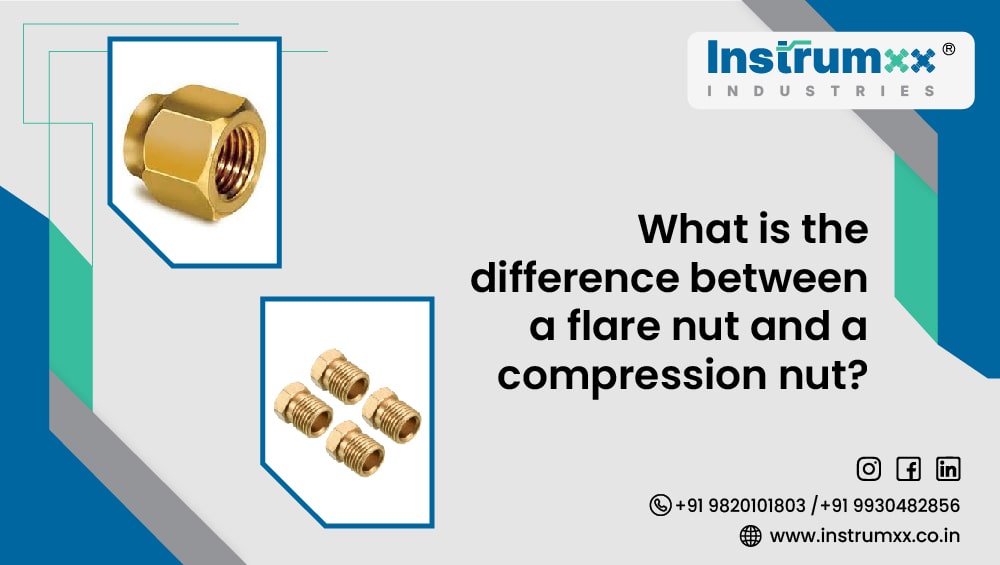
Standard Compression Fittings
Standard compression fittings use a ring called a ferrule. The ferrule compresses onto the pipe as you tighten the nut. This creates a tight seal that prevents leaks. They work well with copper and plastic pipes. These fittings are common in water supply lines.
Flare Compression Fittings
Flare fittings use a flared pipe end that fits into the fitting body. The nut then tightens over the flare, creating a strong seal. This type is ideal for high-pressure systems like gas lines. It prevents leaks even under pressure changes.
Bite Type Compression Fittings
Bite type fittings use a sharp ring that bites into the pipe surface. This grip holds the pipe firmly in place. They are easy to install and remove. These fittings work well with plastic and soft metal tubes.
Credit: www.instrumxx.co.in
How Compression Fittings Work
Understanding how compression fittings work can help you handle plumbing projects with more confidence. These fittings create a strong, leak-proof seal without the need for soldering or special tools. Knowing their mechanism and installation steps can save you time and avoid costly mistakes.
Mechanism Of Sealing
Compression fittings seal pipes by squeezing a small ring, called the compression ring or ferrule, between the fitting body and the pipe. As you tighten the nut, the ferrule compresses and grips the pipe firmly. This creates a tight seal that prevents leaks even under high pressure.
The ferrule’s design is crucial—it deforms slightly to fill any gaps between the pipe and fitting. This deformation is what stops water or gas from escaping. Have you ever wondered why these fittings hold up so well without glue or solder?
Installation Process
Installing compression fittings is straightforward but requires careful attention to detail. First, slide the nut onto the pipe, followed by the ferrule. Then, insert the pipe into the fitting body until it stops.
Next, push the ferrule firmly against the fitting and screw the nut onto the fitting by hand. Use a wrench to tighten the nut further, but avoid over-tightening—it can damage the ferrule or pipe. A good rule is to tighten until you feel resistance, then give a quarter turn more.
- Cut the pipe cleanly and squarely before installation.
- Ensure the pipe is fully inserted into the fitting.
- Hand-tighten the nut before using a wrench.
Have you noticed how a careful, step-by-step approach reduces leaks and saves you from redoing work? Your attention during installation really pays off in the long run.
Advantages Of Compression Fittings
Compression fittings offer several benefits that make them popular in plumbing and other piping systems. Their design allows for secure, reliable joints without the need for soldering or welding. These advantages simplify installation and maintenance, saving time and effort. Understanding their key benefits helps explain why many professionals choose compression fittings.
Ease Of Installation
Compression fittings do not require special tools or heat. They can be installed quickly by tightening a nut with a wrench. This reduces the chance of mistakes during assembly. This ease makes them ideal for DIY projects and quick repairs.
Leak-proof Connections
The design of compression fittings creates a tight seal around pipes. The compression ring presses firmly against the pipe surface. This pressure prevents water or gas leaks effectively. Properly installed fittings maintain strong seals under pressure.
Versatility
Compression fittings work with various pipe materials like copper, plastic, and steel. They fit different pipe sizes and shapes. This flexibility allows use in many applications, from household plumbing to industrial systems. They can also be easily disconnected and reused.
Common Applications
Compression fittings offer a reliable way to connect pipes and tubes without soldering or welding. Their design creates a tight seal that holds under pressure, making them versatile for many uses. Understanding where these fittings excel can help you choose the right solution for your projects.
Plumbing Systems
In plumbing, compression fittings are a favorite for joining water pipes quickly and securely. They work well with copper, plastic, and sometimes steel pipes, allowing easy repairs or installations without special tools.
Have you ever struggled with soldering pipes in a tight space? Compression fittings can save you time and effort by simply tightening a nut to create a leak-proof joint.
Gas Lines
Gas lines require airtight connections to prevent leaks and ensure safety. Compression fittings provide a strong seal that resists vibration and pressure changes, making them suitable for natural gas or propane setups.
It’s crucial to use fittings rated for gas use to avoid hazards. You might find these fittings in appliances like stoves or heaters, where a secure yet removable connection is needed.
Hydraulic Systems
Hydraulic systems rely on precise and durable fittings to handle high pressure fluids. Compression fittings made from robust materials hold up well under these demanding conditions.
Think about the hydraulic brakes on your vehicle or machinery. Compression fittings ensure fluid stays contained, preventing leaks that could cause system failure or safety risks.
Tips For Choosing Compression Fittings
Choosing the right compression fittings ensures a secure and leak-free connection. The right fit depends on several important factors. These factors help maintain system integrity and avoid costly repairs.
Material Considerations
Compression fittings come in various materials like brass, stainless steel, and plastic. Choose a material that matches the piping system’s material. Brass works well for water and gas lines. Stainless steel is best for high-pressure or corrosive environments. Plastic fittings suit low-pressure and non-corrosive uses. Picking the right material prevents corrosion and extends fitting life.
Size And Compatibility
Correct size is crucial for a tight seal. Check the pipe diameter before buying fittings. The fitting must match the pipe’s outer diameter exactly. Also, confirm compatibility between fitting and pipe materials. Some materials do not bond well together. Using compatible sizes and materials avoids leaks and system failures.
Pressure Rating
Every fitting has a pressure rating. This rating shows the maximum pressure the fitting can handle safely. Select fittings with pressure ratings that meet or exceed your system’s pressure. Using fittings with lower ratings can cause leaks or bursts. Always verify pressure limits to ensure safe operation.
Troubleshooting Common Issues
Compression fittings are reliable but can face issues during use. Troubleshooting these problems helps keep your plumbing secure and efficient. Understanding common faults saves time and prevents damage.
Leaks
Leaks occur when the fitting does not seal properly. Tighten the nut slightly to stop small leaks. Avoid overtightening as it can damage the fitting. Check the tubing for cracks or damage. Replace any faulty parts before reconnecting.
Improper Fit
An improper fit happens if the tubing and fitting size do not match. Use the correct diameter for both components. Cut the tubing straight and clean to ensure a good seal. Make sure the compression ring is in place before tightening.
Corrosion
Corrosion weakens fittings and causes leaks over time. Inspect fittings regularly for rust or discoloration. Replace corroded parts with corrosion-resistant materials. Keep fittings dry and clean to prevent corrosion build-up.
Maintenance Of Compression Fittings
Maintaining compression fittings is essential for ensuring a leak-free and durable connection. Regular care prevents damage and extends the lifespan of these fittings. Simple maintenance tasks keep the system running smoothly and avoid costly repairs.
Regular Inspection
Check compression fittings often for signs of wear or leaks. Look for cracks, corrosion, or loose nuts. Tighten any loose fittings carefully without over-tightening. Early detection of issues helps avoid bigger problems.
Cleaning Procedures
Clean the fittings to remove dirt and debris that may cause damage. Use a soft cloth and mild detergent for cleaning. Avoid harsh chemicals that can weaken the fitting materials. Dry thoroughly before reassembling to prevent rust and corrosion.
Frequently Asked Questions
What Are Compression Fittings Used For?
Compression fittings connect pipes or tubes securely without soldering. They create a tight seal by compressing a ring onto the pipe. These fittings are common in plumbing, gas lines, and hydraulic systems for leak-free joints.
How Do Compression Fittings Create A Seal?
They use a compression ring, or ferrule, that tightens around the pipe. As the nut is screwed, the ring compresses, gripping the pipe firmly. This pressure creates a watertight or airtight seal without welding or adhesives.
Can Compression Fittings Be Reused?
Yes, compression fittings can be reused if undamaged. However, the ferrule often deforms, reducing seal quality after reuse. It’s best to inspect components and replace the ring to ensure a reliable connection.
Are Compression Fittings Suitable For High Pressure?
Compression fittings handle moderate pressure well, but their limits vary by material and design. For very high pressure, specialized fittings or welded joints might be necessary. Always check manufacturer specifications before use.
Conclusion
Compression fittings create tight seals by squeezing a ring around pipes. They work without soldering or glue, making installation quick and clean. The fittings hold pipes firmly, preventing leaks under pressure. You just need to tighten the nut properly for a secure fit.
These fittings suit many plumbing and gas systems well. Understanding how they work helps with repairs and installations. A simple tool and a bit of care get the job done. Easy, reliable, and effective—compression fittings keep connections strong.


