Does Zumba Fitness Work: Unveiling Real Benefits and Results
Are you wondering if Zumba Fitness really works for getting in shape and boosting your energy? You’re not alone.
Many people ask if this fun, dance-based workout can actually help you lose weight, tone your body, and improve your health. What if you could enjoy moving to great music while reaching your fitness goals? Keep reading, because we’re breaking down the facts about Zumba to help you decide if it’s the right fit for your lifestyle and goals.
Zumba Fitness Basics
Zumba Fitness has become a popular way for many people to get active while having fun. Understanding the basics of Zumba can help you decide if it’s the right workout for you. Let’s break down what makes Zumba unique and why it might fit your fitness goals.
Origins And Development
Zumba started in the 1990s when Colombian dancer and choreographer Alberto “Beto” Perez accidentally mixed dance moves with aerobic exercise. It quickly grew beyond its original form, spreading worldwide as a fun, dance-based fitness program.
What’s interesting is that Zumba wasn’t planned as a fitness craze; it evolved naturally from dance classes. This origin story explains why it feels more like a party than a workout.
Core Principles Of Zumba
Zumba combines easy-to-follow dance steps with upbeat music from Latin and international rhythms. It emphasizes continuous movement, helping you burn calories without feeling like you’re exercising.
The workout is designed for all fitness levels, so you can push yourself as much as you want. The main goal is to enjoy the experience while improving your cardiovascular health, strength, and coordination.
Types Of Zumba Classes
- Zumba Basic:The original class focusing on fundamental dance moves and aerobic exercise.
- Zumba Toning:Adds light weights to help tone muscles while dancing.
- Aqua Zumba:Done in a pool for low-impact cardio and resistance training.
- Zumba Gold:Tailored for older adults or beginners who want a gentler pace.
Have you tried different types of Zumba classes? Finding the right style can keep you motivated and make your workouts feel fresh.
Physical Benefits Of Zumba
Zumba is a lively dance workout that blends fun with fitness. It offers many physical benefits that improve your body and health. This workout is easy to follow and suits people of all fitness levels. Here are some key physical benefits of Zumba.
Weight Loss And Calorie Burn
Zumba helps burn a high number of calories in a short time. This makes it effective for weight loss. The fast-paced dance moves keep your heart rate up. Continuous movement uses more energy and burns fat. Many people notice weight loss after regular Zumba sessions.
Cardiovascular Health
Zumba improves heart and lung function by raising your heart rate. This strengthens the cardiovascular system and boosts endurance. Better heart health lowers the risk of diseases like hypertension. Regular sessions enhance blood circulation and oxygen delivery. It also helps reduce stress and promotes a healthy heart.
Muscle Toning And Strength
Zumba tones muscles through varied dance movements. It targets the legs, arms, core, and back muscles. The twisting and bending help build strength and flexibility. This workout improves balance and coordination. Over time, muscles become firmer and more defined.
Mental And Emotional Benefits
Zumba fitness offers more than physical benefits. It also helps improve mental and emotional health. Dancing to music lifts the spirit and clears the mind. The rhythmic movements engage the brain and body together. This connection brings peace and joy during and after workouts.
Stress Relief
Moving to lively music helps reduce stress quickly. The fun, energetic dance distracts from daily worries. Your body releases tension with every step and turn. This natural stress relief improves overall well-being. Many people find Zumba a great escape from pressure.
Boosting Mood And Confidence
Zumba workouts trigger the release of feel-good hormones. These hormones lift your mood and create happiness. As you learn new moves, confidence grows. Seeing physical progress also boosts self-esteem. Feeling good inside reflects in your daily life.
Social Interaction
Zumba classes create a sense of community. Dancing with others builds friendships and support. The group energy motivates you to keep going. Meeting new people adds joy to exercise. Social connections improve mental health and reduce loneliness.

Credit: www.youtube.com
Who Can Benefit From Zumba
Zumba fitness isn’t just a dance workout; it’s a dynamic activity that can fit into many lifestyles and physical abilities. Whether you’re just starting your fitness journey or looking to add fun to your routine, Zumba offers something for everyone. Understanding who can benefit helps you see if this energetic exercise aligns with your health goals and lifestyle.
Age Groups And Fitness Levels
Zumba welcomes people of all ages—from kids to seniors. The routines can be adjusted to match your fitness level, making it a safe option for beginners and challenging enough for advanced movers. I once met a 70-year-old who swore Zumba helped her regain mobility and feel younger, proving age isn’t a barrier here.
If you’re worried about your fitness level, remember that instructors often offer low-impact versions of moves. This means you can participate without pushing your body too hard. Have you ever thought about how a workout could feel more like a party than a chore?
Accessibility And Inclusivity
Zumba classes aim to be inclusive. Many studios offer sessions designed for people with limited mobility or special needs. Plus, online classes allow you to join from home, eliminating travel challenges.
Accessibility also means the music and moves cater to diverse tastes and cultural backgrounds. This variety keeps you engaged and motivated. What if your workout could connect you with people and rhythms from around the world, right in your living room?
Comparing Zumba To Other Workouts
Comparing Zumba to other workouts can help you decide if it’s the right fit for your fitness goals. Each workout style offers unique benefits and challenges. Understanding these differences lets you choose the most enjoyable and effective routine for your lifestyle.
Dance-based Fitness Alternatives
If you love movement and rhythm, dance-based workouts like hip-hop cardio, barre, or salsa classes can be great options. These alternatives often focus on coordination, flexibility, and cardiovascular health, similar to Zumba.
However, Zumba stands out because it combines easy-to-follow moves with a party-like atmosphere. This keeps motivation high and workouts feeling less like a chore. Have you noticed how music can push you to move longer without getting bored?
Compared to other dance workouts, Zumba tends to have a wider variety of music styles and intensity levels. This variety helps you target different muscle groups and energy systems. If you’re looking for a workout that feels like fun, Zumba might be more engaging.
Traditional Gym Exercises
Traditional gym workouts, such as weightlifting, treadmill running, and cycling, focus more on specific fitness components like strength and endurance. These exercises allow you to track progress with weights or distances, which can be motivating if you enjoy measurable goals.
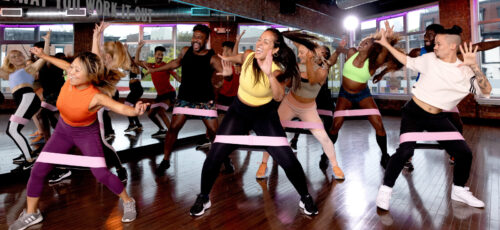
But unlike Zumba, gym workouts can sometimes feel repetitive and less social. If you struggle to stay consistent, the energy of a Zumba class might help you stick with your routine.
Still, mixing gym exercises with Zumba can create a balanced fitness plan. You might build strength on gym days and improve cardiovascular health and coordination during Zumba sessions. What balance between fun and structure works best for you?
Credit: www.crunch.com
Real-life Success Stories
Real-life success stories reveal the true impact of Zumba fitness beyond just physical exercise. These stories show how Zumba has transformed lives and created strong communities. They offer practical insights into what you might expect if you decide to try Zumba yourself.
Personal Transformations
Many people share how Zumba helped them lose weight and boost their confidence. Take Sarah, who struggled with motivation for years. After joining Zumba classes, she lost 30 pounds in six months and felt energized every day.
Zumba’s combination of fun music and easy-to-follow moves makes it easier to stick with. You don’t have to be a dancer to enjoy it or see results. The key is consistency and enjoying the process, which Sarah found through Zumba.
Have you ever thought about how much more effective exercise could be if you actually enjoyed it? That’s what many Zumba participants discover. It’s not just about burning calories but also about feeling happier and less stressed.
Community Impact
Zumba classes often create a sense of belonging that goes beyond exercise. In many neighborhoods, these classes become social hubs where friendships form and support grows. This social connection encourages people to keep showing up and pushing themselves.
Consider a group of seniors who started Zumba to improve mobility and found a new circle of friends. Their weekly sessions became a highlight of their lives, improving both physical health and mental well-being.
Could your fitness routine benefit from a stronger social element? Joining a Zumba community might be the push you need to stay motivated. The shared energy and encouragement you get can make a big difference in your journey.
Tips For Maximizing Zumba Results
Maximizing results from Zumba requires more than just attending classes. It involves a thoughtful approach to how often and how you engage with the workout. Small changes can make a big difference in your fitness journey.
Focus on building habits that keep you moving. Pair Zumba with other activities to boost strength and endurance. These tips help you get the most out of your efforts and see real progress.
Consistency And Commitment
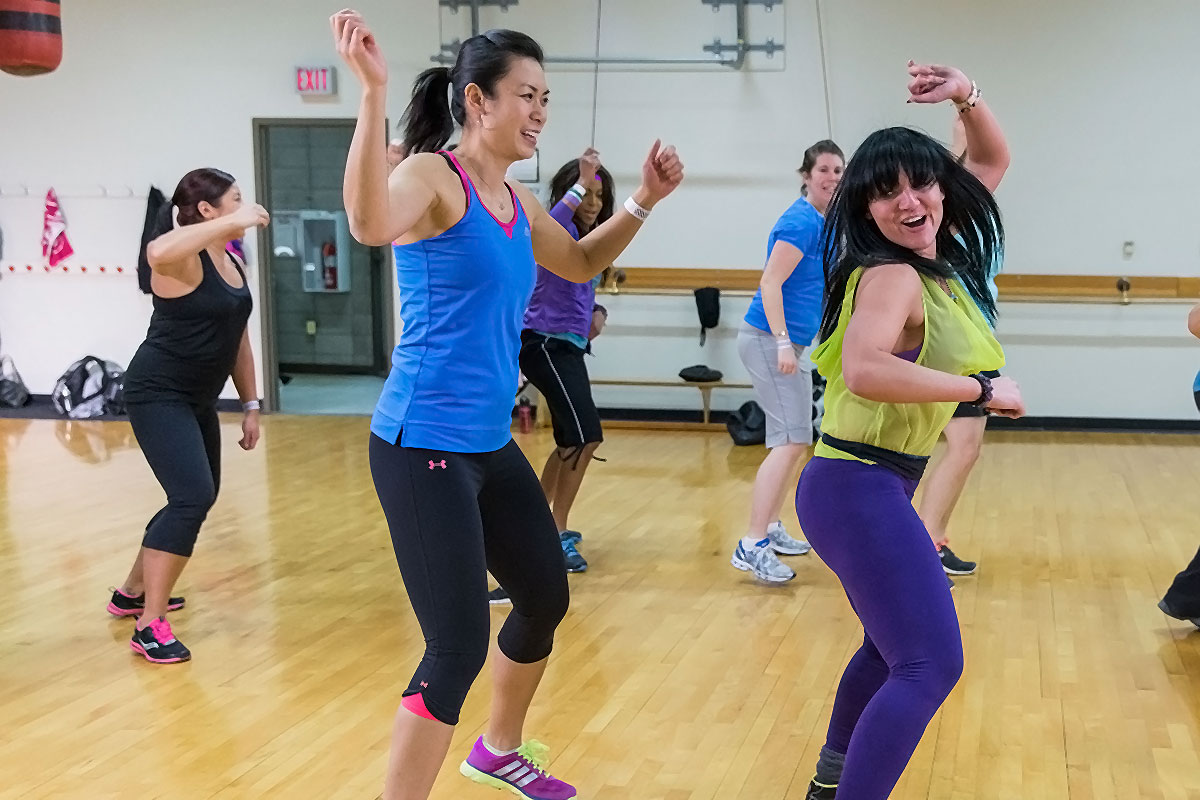
Regular attendance is key to improving fitness with Zumba. Aim to join sessions at least three times a week. Consistency helps your body adapt and burn calories efficiently.
Stay committed even on days when motivation is low. Create a schedule and stick to it. The more you practice, the better your coordination and stamina become.
Combining With Other Exercises
Zumba works well alongside other workouts. Add strength training to build muscle and support weight loss. Include stretching or yoga for flexibility and injury prevention.
Mix cardio exercises like walking or cycling on non-Zumba days. This variety keeps your routine interesting and challenges different muscle groups.
Credit: www.calgary.ca
Frequently Asked Questions
Does Zumba Help With Weight Loss Effectively?
Yes, Zumba is effective for weight loss. It combines cardio and dance to burn calories fast and improve metabolism.
How Often Should I Do Zumba To See Results?
For best results, practice Zumba 3-5 times weekly. Consistency boosts fitness, endurance, and weight management.
Is Zumba Suitable For All Fitness Levels?
Absolutely. Zumba offers modifications for beginners and advanced dancers, making it accessible and fun for everyone.
Can Zumba Improve Cardiovascular Health?
Yes, Zumba is a great cardio workout. It strengthens the heart, improves circulation, and boosts lung capacity.
Conclusion
Zumba Fitness helps improve your health and mood. It combines dance and exercise for fun workouts. Many people enjoy it because it feels like a party. You can burn calories while dancing to great music. It suits different fitness levels and ages.
Consistency matters to see good results over time. So, give it a try and feel the energy. Zumba can be a simple way to stay active and happy.