What Wipers Fit My Car: Ultimate Guide to Perfect Replacement
Are your windshield wipers leaving streaks or missing spots? You might be wondering, “What wipers fit my car?” Choosing the right wipers isn’t just about size—it’s about safety, clear vision, and comfort during every drive.
You’ll discover how to find the perfect wipers for your vehicle quickly and easily. Keep reading to avoid common mistakes that could cost you time and money, and learn insider tips that make shopping for wipers stress-free. Your next smooth, clear drive starts here.
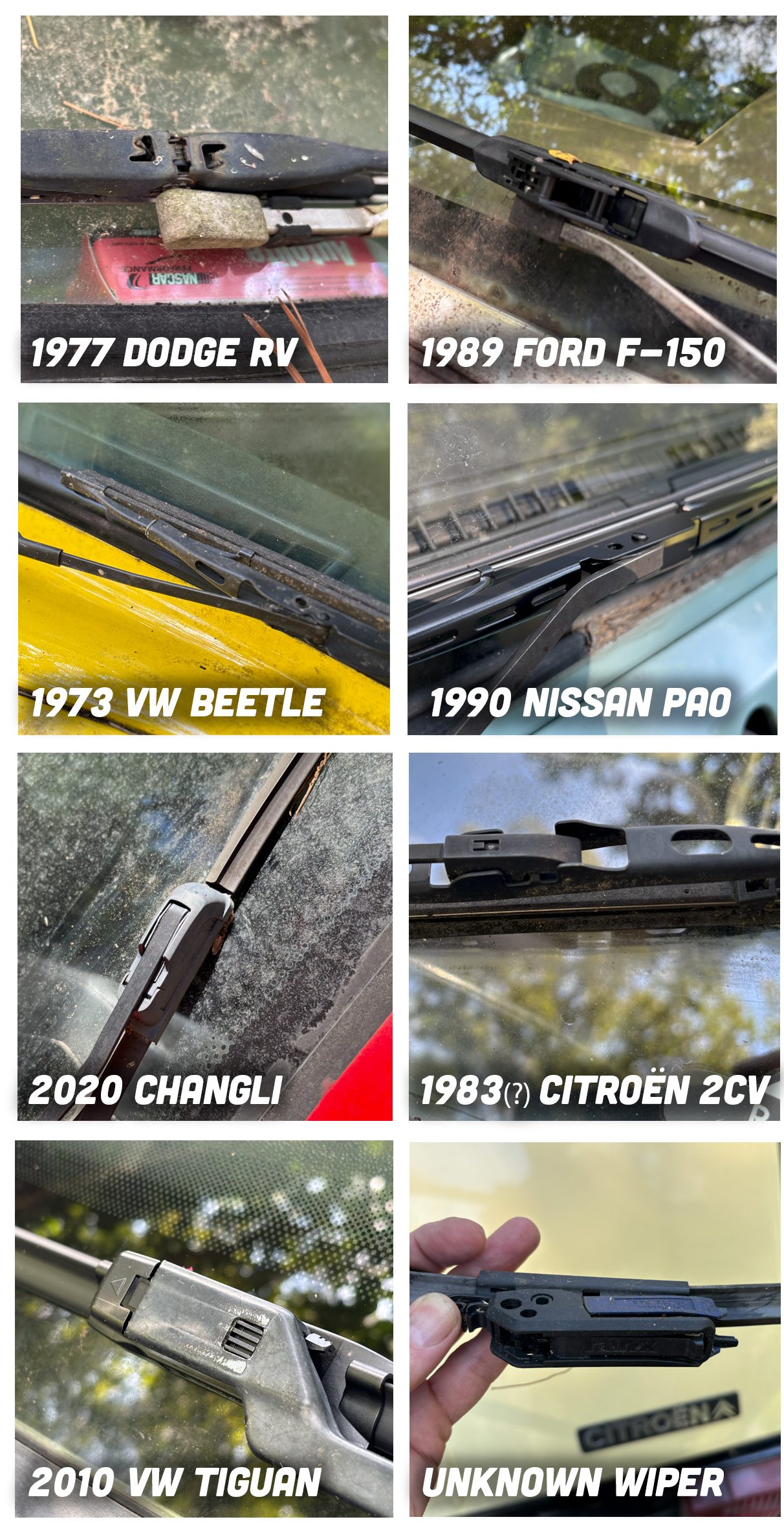
Credit: www.theautopian.com
Understanding Wiper Sizes
Understanding the size of your car’s wipers is key to keeping your windshield clear and safe. Wipers come in various lengths and designs, which means picking the right size is more than just a guess. Knowing exactly what fits your car helps you avoid poor visibility and the hassle of returns.
Standard Sizes Explained
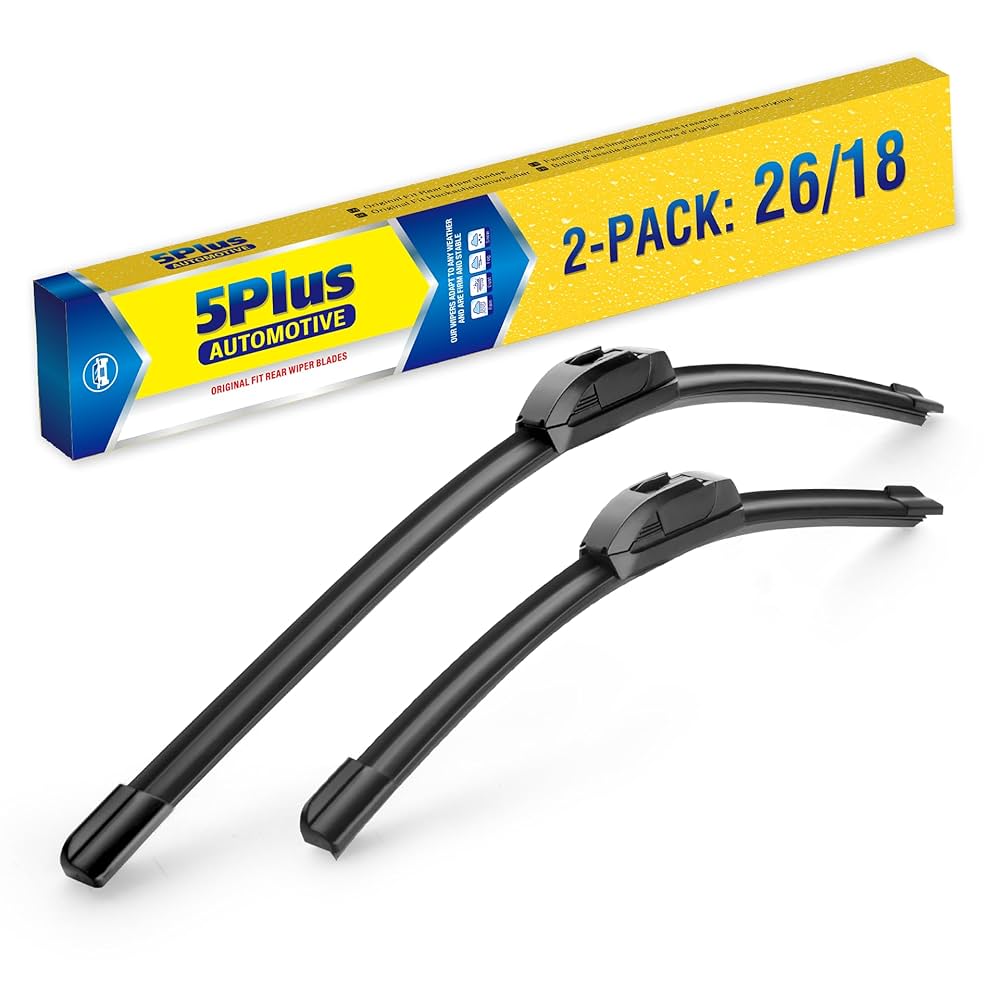
Wiper blades typically range from 12 to 28 inches in length. Each vehicle model usually requires a specific size for the driver’s and passenger’s sides, which can differ. Some cars even have a different size for the rear window wiper.
Here’s a quick look at common sizes:
| Size (inches) | Common Vehicle Types |
|---|---|
| 12 – 16 | Compact cars, small hatchbacks |
| 17 – 22 | Sedans, mid-size SUVs |
| 23 – 28 | Large SUVs, trucks, vans |
Using the wrong size can cause streaking or even damage to the windshield. Some modern vehicles use beam-style wipers, which also come in specific sizes, so it’s not just about length but also the blade type.
Importance Of Accurate Measurements
Measuring your current wipers before buying replacements prevents costly mistakes. Take a tape measure and check each blade’s length from end to end. Don’t guess—an inch too long or short can reduce wiping effectiveness.
If you’ve ever bought wipers that didn’t fit, you know how frustrating it is to deal with poor contact or noisy operation. Even if you find a blade that fits lengthwise, the connector type must match your car’s arm.
- Measure both driver and passenger side blades separately.
- Check your car’s manual for recommended sizes and types.
- Note the connector style to avoid compatibility issues.
Why settle for less when you can have wipers that fit perfectly and perform their job well? Taking a few minutes to measure can save you time, money, and stress on rainy days.
Types Of Wiper Blades
Choosing the right wiper blades is more than just picking the size that fits your car. Different types of wiper blades offer varying performance and durability. Understanding these types helps you make a better choice for your driving conditions and car model.
Conventional Blades
Conventional blades are the most common and affordable option. They use a metal frame that holds the rubber blade in place. This design works well in mild weather but can struggle in heavy rain or snow because the frame may bend or collect ice.
If you live somewhere with moderate weather, conventional blades could serve you well. However, ask yourself if you want to replace them more often due to wear and tear.
Beam Blades
Beam blades have a sleek, one-piece design without an external frame. This allows for even pressure along the entire blade, improving contact with your windshield. They perform better in harsh weather conditions like heavy rain, snow, or ice.
I once switched to beam blades during winter and noticed a clear difference in visibility during storms. These blades tend to last longer and resist damage from ice buildup.
Hybrid Blades
Hybrid blades combine the frame of conventional blades with the aerodynamic design of beam blades. This mix offers the durability of traditional blades with the improved performance of beam blades. They are a good choice if you want the benefits of both types without the higher cost of beam blades.
Consider hybrid blades if your driving involves a mix of city and highway conditions. Do you want better wiping performance without investing in premium beam blades?
Compatibility With Your Vehicle
Choosing the right wipers for your car depends on their compatibility with your vehicle. Wipers must fit perfectly to work well and keep your windshield clear. Using the wrong size or type can reduce visibility and damage your windshield. Understanding how to check compatibility helps you find the correct wipers quickly and easily.
Checking Vehicle Specifications
Start by looking at your vehicle’s manual. It lists the exact wiper blade sizes for front and rear windows. Sizes may differ between driver and passenger sides. Confirm the correct length to avoid poor fit or performance.
Some vehicles require special wiper types such as beam blades or hybrid models. Knowing these details ensures you buy blades that match your car’s design and function.
Consulting Manufacturer Guidelines
Car manufacturers provide specific guidelines for wiper replacements. These include recommended brands and blade types for your model. Following these recommendations helps maintain your vehicle’s safety and warranty.
Many auto parts stores offer online tools or apps to check wiper fit based on your vehicle’s make, model, and year. These resources make it easy to find compatible options without guesswork.
Finding The Right Fit
Finding the right fit for your car’s wipers ensures clear vision and safe driving. Wipers come in different sizes and types. Choosing the correct size protects your windshield and enhances performance. Accurate measurement and reliable resources help pick the best match for your vehicle.
Tools And Techniques For Measurement
Use a tape measure or ruler to check the length of your current wipers. Measure from tip to tip along the blade, not including the arm. Write down the size for both driver and passenger sides, as they often differ. Check the rear wiper if your car has one.
Compare your measurements with the size chart found in the wiper packaging or online. Some vehicles require specific wiper styles, such as beam or conventional blades. Confirm the style matches your car’s wiper arm type to avoid poor fit or damage.
Online And In-store Resources
Many websites offer tools where you enter your car’s make, model, and year. These tools suggest the exact wiper sizes and types for your vehicle. Online reviews and ratings can guide you toward reliable brands and products.
In-store experts also help find the right wipers. Bring your old wipers or note their sizes. Staff can recommend compatible options and assist with installation tips. Retail stores often stock popular sizes for quick replacement.
Installation Tips
Installing the right wipers on your car can seem straightforward, but a few key tips make the process smoother and ensure your new wipers work perfectly. Getting it right the first time saves you from frustration and keeps your windshield clear during those unexpected rain showers. Let’s dive into how you can install your wipers efficiently and avoid common pitfalls.
Step-by-step Installation Process
- Lift the wiper arm:Gently pull the wiper arm away from the windshield until it stays in an upright position.
- Remove the old wiper blade:Look for the small tab or button where the blade connects to the arm. Press or slide it to release the blade.
- Match the new blade:Check that the replacement wiper blade matches the size and type of the old one before attaching.
- Attach the new blade:Slide the new blade onto the arm’s hook until you hear a click, which means it’s locked in place.
- Test the connection:Gently tug the blade to ensure it’s secure. Lower the arm carefully back to the windshield.
- Repeat on the other side:Installing wipers on both sides ensures even visibility during rain or snow.
Common Mistakes To Avoid
- Forcing the wiper arm:Avoid snapping the arm back onto the windshield without the blade attached; it can crack the glass.
- Wrong blade size:Don’t assume both sides use the same size. Check your car manual or measure each side separately.
- Not securing the blade properly:A loosely attached blade can fly off while driving, posing a safety hazard.
- Ignoring the blade type:Some cars need specific blade types like beam or bracket. Using the wrong kind affects wiping quality.
- Neglecting to clean the windshield:Dirt and debris on your windshield can cause streaking even with new blades. Wipe it down before installation.
Have you ever installed wipers only to find they squeak or skip across the glass? That’s usually a sign of a loose fit or a dirty windshield. Paying attention to these details turns a quick fix into lasting clarity on the road.
Maintaining Your Wipers
Maintaining your wipers helps keep your windshield clear and your drives safe. Clean and well-functioning wipers improve visibility, especially in rain or snow. Regular care prevents streaks and damage that reduce their efficiency. Simple habits can extend the life of your wipers and save money on replacements.
Regular Cleaning Practices
Wipers collect dirt, dust, and grime from the road and air. Cleaning the blades often keeps them working smoothly. Use a soft cloth with water or mild soap to wipe the blades. Avoid using harsh chemicals that can damage the rubber. Clean both the blade and the windshield for best results. Check for small debris stuck under the blade that can cause scratches.
Signs Of Wear And Tear
Look for streaks or smears on the glass during use. Chattering sounds or skipping indicate worn rubber. Cracks, splits, or tears on the blade surface reduce effectiveness. Bent or damaged frames cause uneven pressure on the windshield. Replace wipers as soon as these signs appear to ensure safety. Regular inspection helps catch problems early before driving in bad weather.
When To Replace Wipers
Knowing when to replace your wipers is key to safe driving. Clear visibility keeps you and others safe on the road. Wiper blades wear out over time and lose their effectiveness. Changing them at the right time prevents streaks, smears, and squeaks.
Indicators Of Worn Out Blades
- Streaks or smears on the windshield after wiping
- Visible cracks or tears on the rubber blade
- Squeaking or chattering sounds during use
- Wipers skipping or missing spots
- Rubber blade feels hard or brittle to touch
Seasonal Considerations
Wipers face different challenges in each season. Heat can dry out rubber, causing cracks. Cold weather can freeze blades to the windshield. Winter ice and snow increase wear and tear.
Replace wipers before winter for better ice and snow removal. Check blades after hot summers for signs of damage. Adjust replacement frequency based on your local climate.

Credit: www.webuyanycarusa.com
Choosing Quality Brands
Choosing quality brands for your car wipers is key to safety and clear vision. Quality wipers clear water better and last longer. They resist wear from sun and rain. Investing in trusted brands means fewer replacements and better performance.
Look for brands known for durability and smooth wiping. Avoid cheap wipers that streak or tear easily. Quality brands use strong rubber and solid frames. This helps during heavy rain or snow.
Top Recommendations
- Bosch: Known for durability and smooth wiping action.
- Rain-X: Offers water-repellent technology for clear visibility.
- Michelin: Provides long-lasting blades with strong performance.
- Valeo: Features advanced designs for quiet and effective wiping.
- PIAA: Specializes in high-performance blades for all weather.
Balancing Cost And Performance
High price does not always mean best quality. Some mid-range brands offer great value. Choose wipers that fit your budget and perform well.
Consider how often you drive in rain or snow. Frequent use may justify a higher price. For occasional use, affordable but reliable brands work fine. Replace wipers every 6 to 12 months for best results.

Credit: www.amazon.com
Frequently Asked Questions
How Do I Find The Right Wiper Size For My Car?
Check your car’s manual or measure your current wipers. Sizes vary by make and model. Most auto parts websites also offer size guides based on your vehicle’s year and model.
Can I Use Universal Wipers On Any Car?
Universal wipers fit many cars but may not fit perfectly. For best performance, use wipers designed specifically for your vehicle’s make and model.
What Are The Signs I Need New Wipers?
Streaking, skipping, or squeaking indicates worn wipers. Replace them if visibility is reduced during rain or snow for safer driving.
How Often Should I Replace My Car Wipers?
Replace wipers every 6 to 12 months, depending on use and weather. Regular replacement ensures clear visibility and safe driving conditions.
Conclusion
Choosing the right wipers keeps your windshield clear and safe. Size and type matter for the best fit. Check your car’s manual or measure old blades first. Proper wipers improve visibility in rain and snow. Changing them regularly helps avoid streaks and noise.
Simple steps save you time and keep driving safe. Clean, clear glass makes every trip easier and safer. Your car deserves the right wipers for the road ahead.