What Does Sports Tape Do: Unlock Healing & Enhance Performance
Have you ever wondered what sports tape really does and why so many athletes rely on it? Whether you’re recovering from an injury or trying to prevent one, understanding how sports tape works can make a big difference in your performance and comfort.
This simple strip of tape might seem small, but it plays a powerful role in supporting your muscles and joints. Keep reading to discover how sports tape can help you stay active, reduce pain, and get back to the game faster.
Types Of Sports Tape
Sports tape plays a vital role in supporting muscles and joints during physical activities. Different types of sports tape serve unique purposes. Each tape type offers specific benefits for injury prevention, pain relief, and improved performance.
Understanding these types helps athletes and trainers choose the right tape for their needs. Here are the common types of sports tape and what they do.
Kinesiology Tape
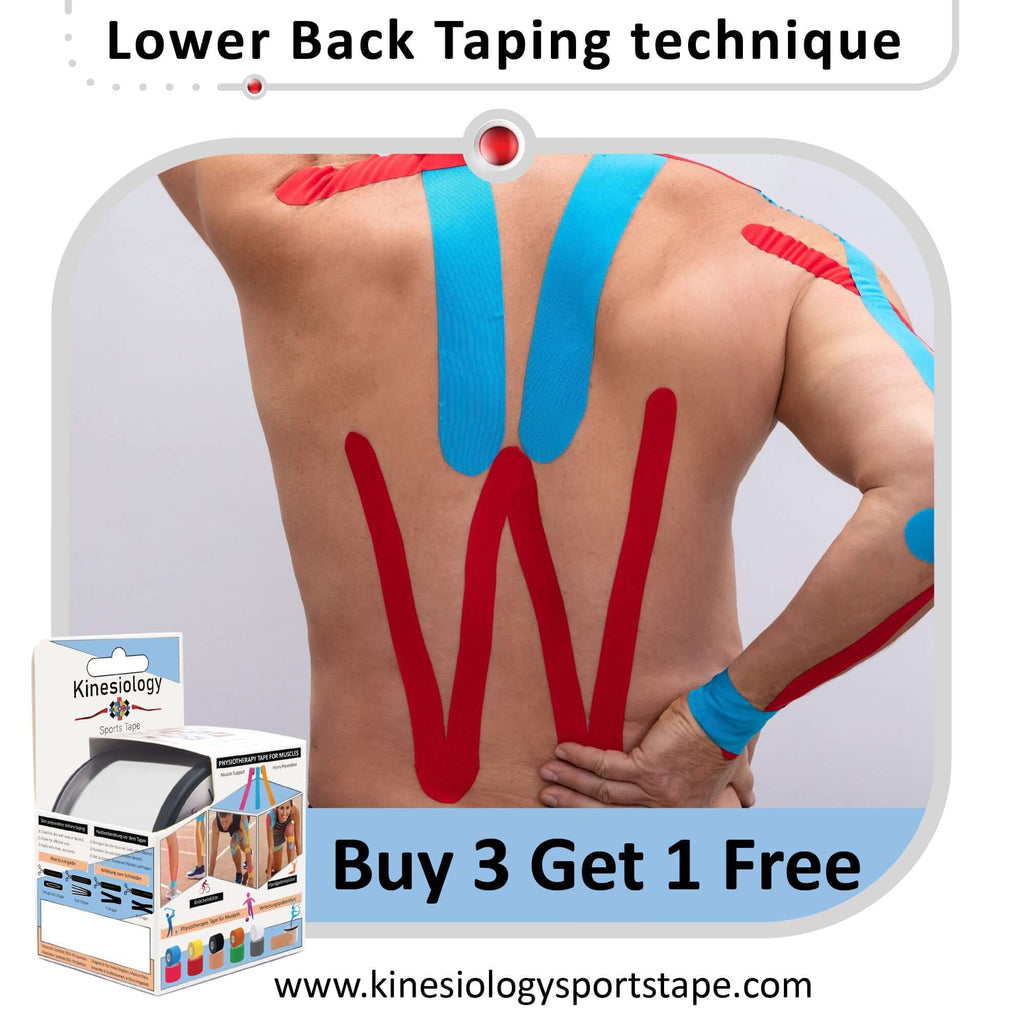
Kinesiology tape is stretchy and flexible. It lifts the skin slightly to improve blood flow and reduce swelling. Athletes use it to ease muscle pain and support injured areas without limiting movement. It sticks well to the skin and lasts for several days, even during sweating.
Athletic Tape
Athletic tape is strong and stiff. It provides firm support to joints like ankles and wrists. This tape helps prevent injuries by restricting harmful movements. Trainers often use it during games or training to keep players safe. It is less flexible but very durable.
Elastic Therapeutic Tape
Elastic therapeutic tape combines stretch and support. It helps reduce pain and speeds up recovery by improving circulation. This tape moves with the body and offers gentle compression. It is popular for treating sprains, strains, and muscle tightness. It stays in place during active sports.
Credit: health.clevelandclinic.org
Mechanism Of Action
Sports tape works by interacting with the skin and muscles to provide multiple benefits. It helps the body stay strong and less painful during activity. The tape uses tension and placement to affect muscles, joints, and blood flow. This section explains the main ways sports tape works.
Support And Stability
Sports tape gives support to weak or injured joints and muscles. It limits harmful movements without stopping natural motion. The tape holds tissues in place, reducing the risk of further injury. This helps athletes keep moving safely during sports or exercise.
Pain Relief
The tape reduces pain by lifting the skin slightly. This action decreases pressure on pain receptors under the skin. It also helps relax tight muscles and lowers inflammation. Pain signals to the brain become weaker, making discomfort less intense.
Improved Circulation
Sports tape improves blood and lymph flow under the skin. The slight lift caused by the tape creates space for better circulation. This helps remove waste and bring oxygen to injured areas. Faster circulation speeds up healing and reduces swelling.
Applications In Injury Recovery
Sports tape plays a key role in injury recovery. It helps reduce pain and swelling. Many athletes use it to speed up healing. The tape supports injured areas and improves movement. It also prevents further damage during activity.
Sprains And Strains
Sports tape stabilizes ligaments and muscles after sprains and strains. It limits harmful movement while allowing safe motion. This support lowers the risk of worsening the injury. The tape also helps reduce swelling and bruising. It keeps the injury protected during daily activities.
Joint Support
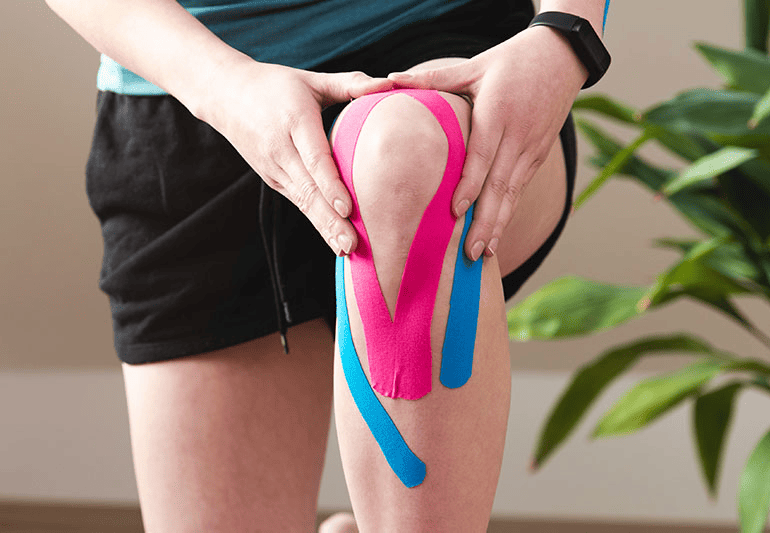
Taping around joints provides extra strength and balance. It helps joints like ankles, wrists, and knees stay aligned. This reduces pain and prevents re-injury. The tape acts as a brace without limiting flexibility. It supports weak or healing joints during exercise or walking.
Muscle Recovery
Sports tape improves blood flow to tired or injured muscles. Increased circulation helps clear waste and brings nutrients. This speeds up muscle repair and reduces soreness. The tape also reduces muscle fatigue by supporting movement. Athletes often use it after workouts to aid recovery.

Credit: kinesiologysportstape.com
Enhancing Athletic Performance
Sports tape plays a key role in improving athletic performance. It supports muscles and joints, allowing athletes to move more freely. The tape also helps reduce fatigue and enhances body control. This section explains how sports tape benefits athletes through biomechanics, proprioception, and injury prevention.
Biomechanical Benefits
Sports tape helps align muscles and joints properly. It guides body movements to reduce strain and increase efficiency. This support can improve posture and balance during activities. Athletes may experience better muscle function and less discomfort. The tape acts as an external brace, stabilizing weak areas without limiting movement.
Enhanced Proprioception
Proprioception means sensing body position and movement. Sports tape stimulates skin receptors, boosting this sense. This heightened awareness helps athletes react faster and move more accurately. It improves coordination and timing during sports. Enhanced proprioception reduces the risk of awkward or harmful motions.
Injury Prevention
Sports tape protects muscles, tendons, and joints from injury. It limits excessive or harmful movements that can cause strains or sprains. The tape also supports recovering areas to prevent re-injury. By providing extra stability, it helps athletes perform safely. This protection is crucial during intense training or competitions.
Proper Application Techniques
Applying sports tape correctly is essential for its effectiveness. Proper techniques help support muscles and joints while preventing injury. Incorrect application can reduce tape benefits and cause discomfort. Understanding the right steps ensures better results and longer wear.
Preparing The Skin
Clean and dry the skin before applying tape. Remove oils, lotions, and sweat to improve adhesion. Shave hair if necessary to avoid pulling and pain when removing tape. Use alcohol wipes to clean the area for better stickiness. Let the skin fully dry before taping.
Application Methods
Start with a stable anchor point on the skin. Apply tape with gentle tension, avoiding overstretching. Follow the muscle or joint direction for proper support. Use smooth, even pressure to adhere the tape well. Round the tape edges to prevent peeling. Avoid wrinkles for comfort and durability.
Common Mistakes To Avoid
- Applying tape on dirty or wet skin.
- Stretching tape too much, causing skin irritation.
- Ignoring the natural shape of muscles and joints.
- Leaving wrinkles or bubbles under the tape.
- Not securing the ends properly, leading to early peeling.
Case Studies And Evidence
Understanding what sports tape does is clearer when you look at real-world examples and solid evidence. Case studies and scientific data help separate fact from fiction. They show how sports tape performs under different conditions and for various athletes.
Scientific Research
Studies have tested sports tape for its role in injury prevention and recovery. Research often focuses on its effects on joint stability and muscle support. Some experiments show that tape improves proprioception, which helps you sense your body’s position better.
However, not all research agrees on the benefits. Certain studies found limited impact on actual performance or injury rates. This mixed evidence suggests that tape might help in some cases but isn’t a one-size-fits-all solution.
Athlete Testimonials
Many athletes swear by sports tape during training and competitions. They report feeling more supported and confident when wearing tape on injured or vulnerable areas. Some say it reduces pain, allowing them to push harder.
But personal stories vary. Some athletes notice no difference or find the tape uncomfortable. What works for one person might not work for you, which is why trying it yourself is key.
Comparative Analysis
When sports tape is compared to other supports like braces or sleeves, its unique benefits stand out. Tape offers flexibility that braces can’t, letting you move freely while still adding some support.
Tables comparing features of sports tape vs. other supports often highlight:
- Cost-effectiveness
- Ease of application
- Level of support
- Comfort during activity
Thinking about your specific needs can help you decide if sports tape is right for you. Would you prefer something flexible or rigid? How important is comfort during long workouts?
Choosing The Right Tape
Choosing the right sports tape can make a significant difference in your performance and injury prevention. Not all tapes are created equal, and understanding what fits your needs can save you from discomfort or ineffective support. Let’s break down the key factors to consider before picking your tape.
Material Considerations
Sports tapes come in various materials, each offering different levels of stretch, breathability, and adhesion. Cotton-based tapes are soft and allow your skin to breathe, making them ideal for longer wear. On the other hand, synthetic tapes often provide stronger adhesion and are better for high-intensity activities.
Think about your skin sensitivity too. If you’ve experienced rashes or irritation from tape before, hypoallergenic options are worth trying. Also, consider the tape’s elasticity. Rigid tapes limit movement and provide solid support, while kinesiology tapes stretch and facilitate muscle movement.
Brand Comparisons
Brands vary not just in quality but also in how their tape performs under different conditions. Some brands focus on waterproof features, which is perfect if you sweat a lot or train outdoors. Others offer tapes that are easier to tear by hand, saving you time during application.
Reading user reviews can reveal real-world pros and cons. For example, one brand might have excellent stickiness but leave residue, while another peels off too quickly. Have you noticed how some tapes stay put through intense workouts, while others fail after a short time? That’s the difference brand choice can make.
Cost Vs. Benefit
More expensive tape doesn’t always mean better for your specific needs. Sometimes, a mid-range tape offers the perfect balance of durability and comfort. Consider how often you tape and the level of support you need before investing in premium brands.
Ask yourself: are you using tape for occasional support or daily training? If you tape frequently, spending a bit more upfront can save money in the long run by reducing replacements. However, if you just need occasional use, affordable options might be more practical.

Credit: www.amazon.ca
Future Trends In Sports Tape
Sports tape has evolved far beyond simple support and injury prevention. Its future is shaping up to include smarter materials and smarter uses that can directly impact your performance and recovery. Are you ready to see how these advancements might change the way you train and compete?
Technological Advances
New materials are making sports tape more effective and comfortable. Some tapes now use breathable fabrics that prevent skin irritation even during intense workouts. Others include embedded sensors to monitor muscle activity and detect strain before it becomes an injury.
Imagine a tape that adjusts its tightness automatically based on your movement. This kind of innovation could offer personalized support tailored to your specific needs.
Integration With Wearable Tech
Sports tape is starting to connect with wearable devices like fitness trackers and smartwatches. This integration allows real-time data collection on muscle performance and recovery progress. You could get instant feedback on whether your taped area is healing or under too much stress.
Think about having a tape that not only supports but also guides your training by syncing with your devices. How would this change your approach to injury prevention and rehab?
Sustainability And Eco-friendly Options
More athletes are asking for environmentally friendly sports tape options. Brands are responding by developing tapes made from biodegradable and recyclable materials. These tapes still provide strong support but reduce environmental impact.
If you care about your carbon footprint, choosing eco-friendly sports tape can align your athletic goals with your values. Would you switch to a greener option if it offered the same performance?
Frequently Asked Questions
What Is The Primary Purpose Of Sports Tape?
Sports tape provides support and stability to muscles and joints during physical activity. It helps prevent injuries and reduces strain on affected areas, enhancing athletic performance.
How Does Sports Tape Aid Injury Recovery?
Sports tape improves blood circulation and reduces swelling around injured tissues. It supports healing by limiting harmful movements while allowing safe mobility for faster recovery.
Can Sports Tape Prevent Common Sports Injuries?
Yes, sports tape helps prevent injuries like sprains and strains. It reinforces weak or vulnerable areas, reducing the risk of overstretching or overuse during exercise.
What Types Of Sports Tape Are Available?
Common types include kinesiology tape, rigid tape, and elastic therapeutic tape. Each type serves different purposes, from support to pain relief and improved muscle function.
Conclusion
Sports tape supports muscles and joints during activity. It helps reduce pain and swelling. Athletes use it to prevent injuries and recover faster. The tape also improves movement and stability. Choosing the right tape and applying it well matters. Remember to follow instructions for the best results.
Sports tape is a simple tool with many benefits. It plays a key role in staying active and safe. Use it wisely to protect your body every time.