When Did 3X3 Basketball Became an Olympic Sport: Ultimate Guide
Have you ever wondered when 3×3 basketball became an Olympic sport? If you’re a fan of fast-paced, high-energy games, this version of basketball might already be on your radar.
But knowing exactly when it earned its place on the world’s biggest stage adds a new level of excitement to every slam dunk and quick pass. You’ll discover the story behind 3×3 basketball’s rise to Olympic fame, and why it’s capturing the hearts of fans like you around the globe.
Keep reading to find out how this thrilling game made history—and what it means for the future of basketball.
History Of 3×3 Basketball
3×3 basketball has a vibrant history that reflects its growing popularity worldwide. Unlike traditional basketball, 3×3 is played with three players on each side, on a half-court. This format has made the game faster and more accessible, appealing to street players and professionals alike.
The game’s roots trace back to urban communities, where pickup games often took place on half courts with fewer players. Over time, these informal games evolved into a structured sport with official rules and international competitions. This transformation helped 3×3 basketball gain recognition beyond local neighborhoods.
Early Origins And Street Basketball Culture
The origins of 3×3 basketball are deeply connected to street basketball culture. Players enjoyed the quick pace and emphasis on skill, which differed from the full-court game. This environment fostered creativity and intense competition that attracted many young athletes.
Street tournaments and community leagues began adopting 3×3 rules, making the sport more organized. This gradual formalization allowed the game to expand beyond informal settings. Have you ever played a fast-paced half-court game where every move counts? That’s the essence of 3×3 basketball.
International Recognition And Fiba’s Role
The International Basketball Federation (FIBA) officially embraced 3×3 basketball in the late 2000s. They introduced standardized rules and launched international competitions to promote the sport globally. This helped 3×3 basketball transition from street courts to professional arenas.
FIBA’s efforts included the creation of the FIBA 3×3 World Cup and World Tour, which attracted top players and fans. These events showcased the sport’s excitement and speed on a global stage. Did you know that these tournaments played a key role in getting 3×3 basketball Olympic recognition?
Road To The Olympics
3×3 basketball’s inclusion in the Olympic program was the result of years of growth and advocacy. After gaining momentum through international tournaments, it caught the attention of the International Olympic Committee (IOC). The IOC officially added 3×3 basketball to the Tokyo 2020 Olympic Games.
This milestone marked the first time 3×3 basketball was played at the Olympics, elevating its status worldwide. The Olympic debut highlighted the sport’s unique appeal and fast pace, attracting new fans. How do you think this new Olympic sport will influence basketball’s future?

Credit: www.gym-flooring.com
Evolution Of Basketball Formats
Basketball has changed a lot since it first started. The sport grew from simple rules and fewer players to many new styles. These new formats made basketball faster and more exciting.
One big change is the rise of 3×3 basketball. This style is quicker and played on a smaller court. It brings a fresh energy to the sport and has attracted many young players.
Traditional Basketball Vs 3×3
Traditional basketball has five players on each team. Games last 40 minutes or more with four quarters. The court is large, and the game focuses on teamwork and set plays.
3×3 basketball has only three players per team. Games last 10 minutes or until a team scores 21 points. The court is half the size of a traditional court. The pace is faster and more physical.
In 3×3, players must be quick and skilled in many areas. There are fewer stoppages, so the action flows nonstop. This format fits well with urban sports culture.
Rise Of Street Basketball
Street basketball grew in parks and urban areas. It is less formal and more about individual skill and creativity. Players often compete in smaller teams, similar to 3×3.
Street basketball helped 3×3 gain popularity. It brought a new style that focused on speed and flair. This style made basketball more accessible to people worldwide.
The rise of street basketball showed the need for a new, official format. 3×3 basketball was created to bring street style to official competitions.
Early Competitions And Tournaments
Before 3×3 basketball became an Olympic sport, it grew through various early competitions and tournaments. These events helped shape the game and build its global appeal. Players and fans enjoyed fast-paced matches that were easy to follow and exciting to watch. The format’s simplicity allowed it to spread quickly across countries and cultures.
These early tournaments laid the foundation for official recognition. They showcased the sport’s potential and attracted more participants worldwide. Organizers refined rules and formats to suit international play. This period was crucial for building momentum toward the sport’s Olympic debut.
Global Growth Of 3×3
3×3 basketball started in urban areas as a street sport. It gained popularity in playgrounds and small courts worldwide. National federations began organizing local and regional contests. The sport’s fast pace and simple setup made it accessible everywhere. International bodies supported this by creating official competitions.
Events like the FIBA 3×3 World Tour expanded 3×3’s reach. Countries from every continent joined these tournaments. The sport attracted youth and professional players alike. Its growing fan base pushed organizers to create more structured leagues and championships.
Key Milestones In 3×3
- 2007: FIBA officially recognized 3×3 basketball and launched the first World Tour.
- 2010: The first FIBA 3×3 World Championships took place, drawing global teams.
- 2014: 3×3 basketball debuted at the Youth Olympic Games, gaining further exposure.
- 2017: The International Olympic Committee announced 3×3 basketball’s inclusion in Tokyo 2020.
These milestones marked steady progress toward Olympic status. Each event increased the sport’s credibility and audience. By the time it reached the Olympics, 3×3 basketball had a strong foundation of competition and global fans.
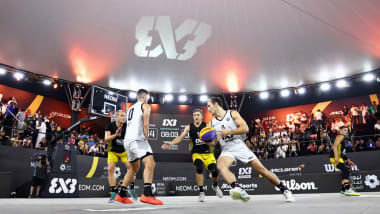
Credit: www.olympics.com
Decision To Include 3×3 In The Olympics
The decision to include 3×3 basketball in the Olympics marked a significant moment for the sport. This faster, more intense version of basketball gained global popularity quickly. The Olympic committee recognized its potential to attract younger audiences and offer a fresh experience. The process involved careful consideration of various factors and strong support from key organizations.
Factors Influencing Olympic Inclusion
3×3 basketball is fast-paced and exciting. It requires fewer players and less space, making it easy to organize. The sport’s global growth helped its case. Many countries adopted 3×3 basketball, increasing its international reach. The International Olympic Committee wanted to modernize the Games. Adding a new sport that appeals to youth was a priority. The shorter game time fits well into the Olympic schedule. These elements made 3×3 basketball an attractive addition.
Role Of Fiba In The Decision
The International Basketball Federation (FIBA) played a crucial role. FIBA promoted 3×3 basketball worldwide and organized official tournaments. They worked closely with the Olympic committee to meet all requirements. FIBA developed clear rules and a global ranking system. Their efforts ensured the sport’s credibility and smooth integration. FIBA’s dedication helped convince the Olympic committee of 3×3 basketball’s value. Their partnership was key to the sport’s Olympic debut.
3×3 Basketball Debut At The Olympics
3X3 basketball made its Olympic debut in the Tokyo 2020 Games. This fast-paced variation of traditional basketball offers a new level of excitement. Played on a half-court with three players per team, it demands speed, skill, and teamwork. The sport quickly gained popularity worldwide before joining the Olympics.
Tokyo 2020 Olympics
Tokyo 2020 marked the first time 3X3 basketball appeared as an official Olympic event. Both men’s and women’s tournaments were held. The matches took place in a specially designed urban arena, emphasizing the sport’s street basketball roots. The games attracted large audiences and showcased intense competition. This debut helped put 3X3 basketball on the global sports map.
Notable Teams And Players
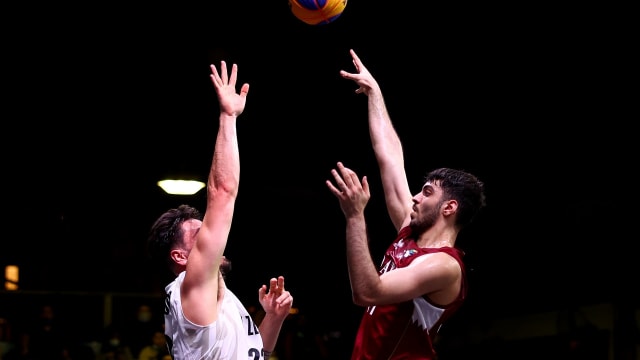
Several teams stood out during the Tokyo 2020 3X3 basketball competition. The USA men’s team brought experience and skill. Latvia’s men’s team surprised many by winning the gold medal. On the women’s side, teams from the Russian Olympic Committee and China performed strongly.
- Nauris Miezis (Latvia) – Known for sharp shooting and leadership.
- Jasmin Hercegovac (Slovenia) – Key player with great defense.
- Jiang Jiayin (China) – Strong scorer and playmaker.
- Robbie Hummel (USA) – Experienced player in fast transitions.
These athletes helped raise the profile of 3X3 basketball at the Olympics. Their performances showed the unique skills needed for this exciting sport.
Credit: www.olympics.com
Impact On The Sport
The inclusion of 3X3 basketball as an Olympic sport has dramatically reshaped its landscape. This change has not only elevated the game’s status but also influenced how players, fans, and organizations engage with it. The ripple effects are visible in the sport’s growing reach and the structures supporting its competitive play.
Popularity Surge
Since its Olympic debut, 3X3 basketball has seen a rapid rise in global interest. Its fast-paced nature and shorter game time attract a younger audience who crave excitement and instant results. You might notice more people playing in parks or watching online streams, reflecting the sport’s growing accessibility.
This surge also challenges traditional basketball’s dominance, offering a fresh alternative that’s easier to organize and follow. Have you ever wondered why 3X3 games feel more intense and engaging? It’s because every possession matters more, making the experience thrilling for both players and spectators.
Development Of 3×3 Leagues
With the Olympic spotlight, professional 3X3 leagues have expanded worldwide. These leagues provide structured competition and career paths for athletes who specialize in this format. For example, the FIBA 3X3 World Tour has grown in prestige and now features teams from diverse countries.
Local and national leagues are also gaining momentum, creating opportunities for emerging players to showcase their skills. If you’re a fan or player, this means more chances to watch high-level games and improve through consistent competition. The sport’s evolution into a professional circuit ensures it won’t just be a passing trend but a lasting fixture in the basketball world.
Future Of 3×3 Basketball In The Olympics
The future of 3×3 basketball in the Olympics looks promising. This fast-paced sport has captured attention worldwide. Its unique style and quick games make it a perfect fit for the Olympic stage. The sport continues to evolve with new ideas and growing fan support. These factors suggest a bright path ahead.
Potential Changes And Innovations
The Olympic 3×3 basketball format may see several changes soon. Rule adjustments could speed up the game even more. Possible innovations include:
- Shorter shot clocks to increase game intensity
- Enhanced technology for better refereeing decisions
- New tournament formats to add excitement
- More mixed-gender events to promote inclusivity
These changes aim to keep the sport fresh and engaging for fans and players.
Growing Global Interest
3×3 basketball is gaining fans across many countries. Urban areas especially embrace the sport. Its simplicity allows easy setup and play anywhere. National teams from diverse regions now compete at high levels. This global interest pushes the sport to expand in the Olympics.
More countries investing in 3×3 programs will raise competition quality. The Olympic spotlight helps attract young athletes. As the sport grows, expect more thrilling matches on the world stage.
Frequently Asked Questions
When Did 3×3 Basketball Debut In The Olympics?
3X3 basketball debuted at the Tokyo 2020 Olympics. It marked the sport’s first appearance as an official Olympic event. The inclusion showcased its global popularity and fast-paced nature.
Why Was 3×3 Basketball Added To The Olympics?
3X3 basketball was added to attract younger audiences. Its dynamic, fast-paced format suits urban culture and modern sports trends. The IOC aimed to diversify Olympic basketball with this exciting version.
How Is 3×3 Basketball Different From Traditional Basketball?
3X3 basketball is played with three players per team on a half-court. Games are shorter, and the scoring system is faster. This format emphasizes speed, skill, and teamwork in a condensed game.
What Are The Rules For Olympic 3×3 Basketball?
Olympic 3X3 basketball games last 10 minutes or until a team scores 21 points. Possession changes every 12 seconds. The game uses a single basket and half-court, emphasizing quick plays and strategy.
Conclusion
3×3 basketball joined the Olympics in 2020. It brought a fast and fun style to the Games. Many players and fans enjoy its quick pace and simple rules. The sport’s Olympic debut showed its growing global popularity. Expect to see more exciting 3×3 matches in future Olympics.
This new format adds fresh energy to basketball’s Olympic story. Fans worldwide now watch and cheer for 3×3 basketball with great interest. The sport’s rise continues, making the Olympics even more thrilling.